






Blizzardlike conditions stemming from a "bomb cyclone" brought heavy snow to the Southeast and ushered in frigid temperatures to much of the East Coast, as tens of thousands of homes and businesses remained without power after being hit by a different icy storm last week that was to blame for dozens of weather-related deaths.
Charlotte, North Carolina, saw one of its heaviest snowfalls in years, with roughly a foot or more in parts of the region.
That caused an hours-long mess on Interstate 85 northeast of the city, after a noninjury crash left dozens of semis and other vehicles backed up into the evening, according to the State Highway Patrol. The agency said it counted at least 750 traffic collisions and no fatalities.
As snow came down steadily throughout the day on Saturday, some people went out sledding with their families and dogs. Others stayed cozy at home to avoid treacherous traveling conditions.
Temperatures were expected to dip into the teens and single digits on Sunday morning.
About 240 million people were under cold weather advisories and winter storm warnings, said Bob Oravec, lead meteorologist for the National Weather Service in College Park, Maryland. A low of minus 27 Fahrenheit was recorded in West Virginia, and the frigid cold was expected to plunge as far south as Florida.
Some areas unaccustomed to snow braced for several inches to fall.
Hundreds of flights were canceled or delayed at airports in Atlanta, Charlotte and Raleigh, North Carolina, according to FlightAware, a flight tracking and data company.
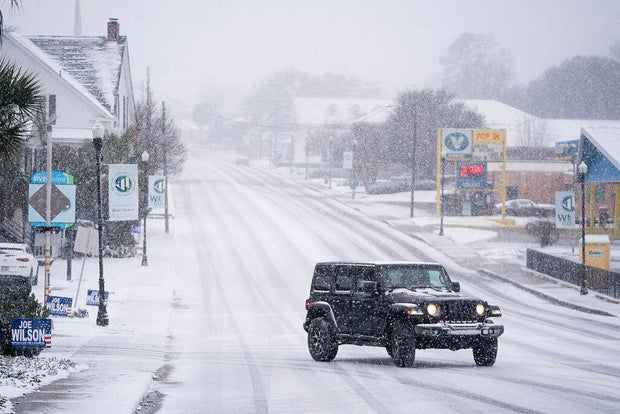 A motorists navigates in winter weather as heavy snow falls on Jan. 31, 2026, in West Columbia, South Carolina.
Sean Rayford / Getty Images
Ongoing power outages
A motorists navigates in winter weather as heavy snow falls on Jan. 31, 2026, in West Columbia, South Carolina.
Sean Rayford / Getty Images
Ongoing power outagesMore than 178,000 homes and businesses, mostly in Mississippi and Tennessee, were without power Sunday morning, according to utility tracker PowerOutage.us. Many of those are residents in the South who have been without power for days since last week's storm.
In Norfolk, Virginia, a Carnival cruise had to end its trip early due to the conditions, with passengers missing out on a stop to Turks and Caicos.
The snow was also causing major travel disruptions. More than 1,200 U.S. flights were canceled Sunday, according to FlightAware, which showed twice as many cancellations earlier in the weekend.
In Tallahassee, Florida, light snow fell as the state faced its coldest temperatures in decades.
In Nashville, Tennessee, where temperatures were in the teens on Sunday, and at least 35,000 were still without power, frustrations bubbled. Nashville Electric Service estimated that 90% will have it back by Tuesday but it could take until next weekend — two weeks after the ice storm — for some.
Terry Miles, 59, said Saturday that his home had not had power since the previous weekend. He is using a fish fryer for heat, though he worries about the dangers of carbon monoxide.
"I'm taking a chance of killing myself and killing my wife, because — Why?" Miles said after attending a Nashville Electric Service news conference intended to showcase the utility's repairs on poles and lines. He then pointed to officials.
Tennessee Gov. Bill Lee said he shared "strong concerns" with the leadership of Nashville Electric Service, adding that residents "need a clear timeline for power restoration, transparency on the number of linemen deployed, and a better understanding of when work will be completed in their neighborhood." The utility has defended its response, saying the storm that struck last weekend was unprecedented.
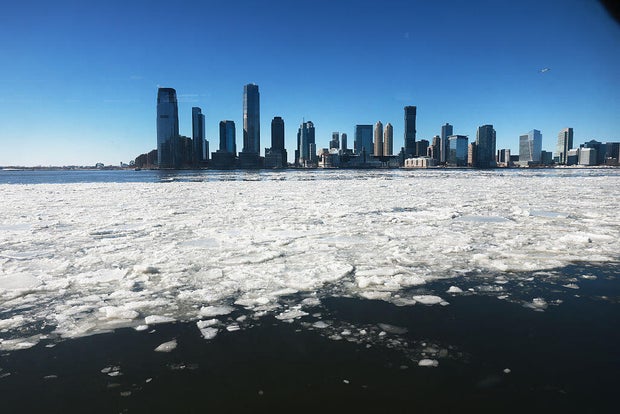 Ice floats cover part of the Hudson River along the Manhattan shoreline as New York City experiences frigid temperatures following a winter storm last weekend. Jan. 30, 2026.
Spencer Platt / Getty Images
Ice floats cover part of the Hudson River along the Manhattan shoreline as New York City experiences frigid temperatures following a winter storm last weekend. Jan. 30, 2026.
Spencer Platt / Getty Images
In the Northeast, it's the second week of a deep freeze. Officials suspect frigid temperatures caused communication cables to fall from elevated subway tracks onto parked cars on Friday in New York City.
New York City crews have worked to melt more than 20 million pounds of snow, using what they are dubbing "hot tubs."
And in Washington, D.C., the National Guard has joined the effort to remove dangerous snow and ice from schools in the city. The National Guard has troops standing by in 15 states to help communities recover.
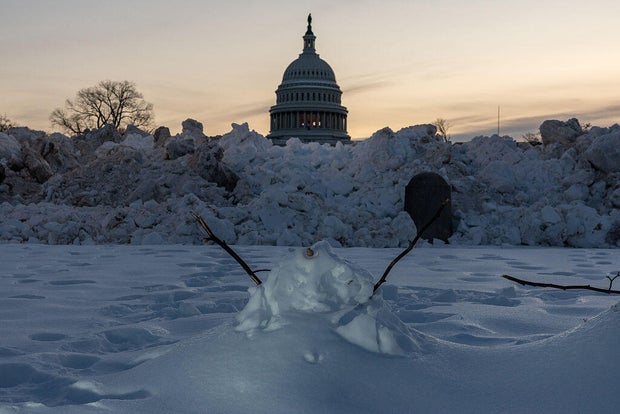 Snow is cleared and deposited near the U.S. Capitol Reflecting Pool on Jan. 31, 2026, in Washington, D.C.
Alex Kent / Getty Images
Heavy snow in the South
Snow is cleared and deposited near the U.S. Capitol Reflecting Pool on Jan. 31, 2026, in Washington, D.C.
Alex Kent / Getty Images
Heavy snow in the South Parts of the southern Appalachians, the Carolinas and Georgia could see 6 to 10 inches of snow, Oravec said. The Carolinas could see blizzard conditions stemming from a bomb cyclone, a term Oravec used to describe an intense, rapidly strengthening storm system off the Southeast coast packing strong winds.
"Anytime you have cold weather advisories or extreme cold warnings, it is dangerous to be outside. Frostbite can occur," Oravec said. "Especially in areas that have or are experiencing power issues still, prolonged exposure to cold weather is not good for yourself."
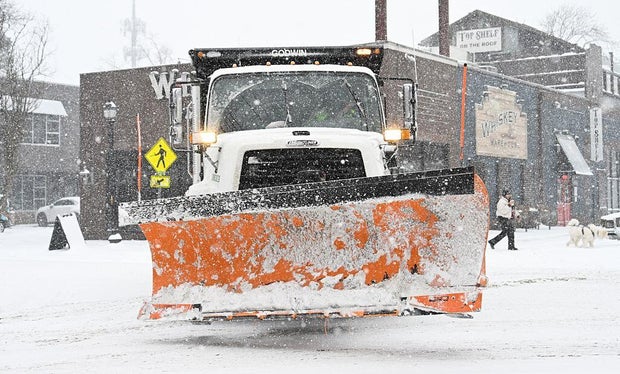 A winter storm brings heavy snow in Charlotte, North Carolina, on Jan. 31, 2026.
Peter Zay/Anadolu via Getty Images
Grappling with freezing temperatures
A winter storm brings heavy snow in Charlotte, North Carolina, on Jan. 31, 2026.
Peter Zay/Anadolu via Getty Images
Grappling with freezing temperatures At least 87 people have died from Texas to New Jersey, according to data collected by CBS News. Causes of death included hypothermia or exposure, carbon monoxide poisoning, and accidents like sledding crashes. Officials have not released specific details about some deaths.
Experts warned of the growing risks of hypothermia. Frostbite was also a concern in the South, where some people may lack sufficiently warm clothing, said Dr. David Nestler, an emergency medicine specialist at the Mayo Clinic in Minnesota. Wind chills will plunge well below zero across much of the region, with values near -20 degrees Fahrenheit in parts of the Ohio Valley on Sunday morning.
More from CBS News
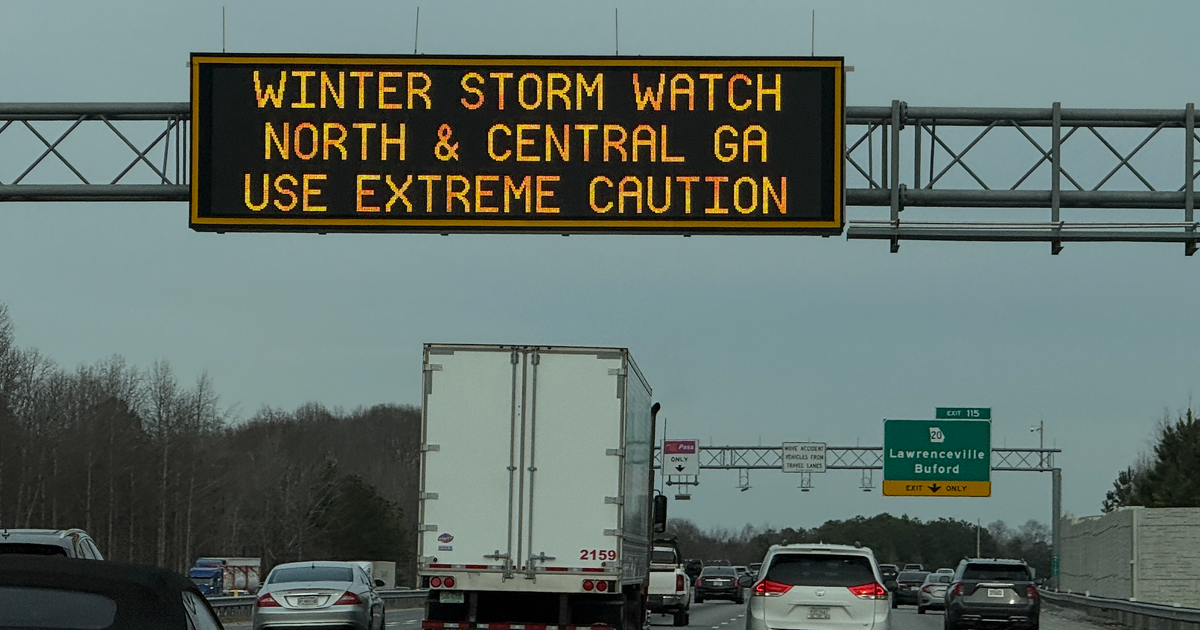
Severe cold persists as forecasters track another potential East Coast storm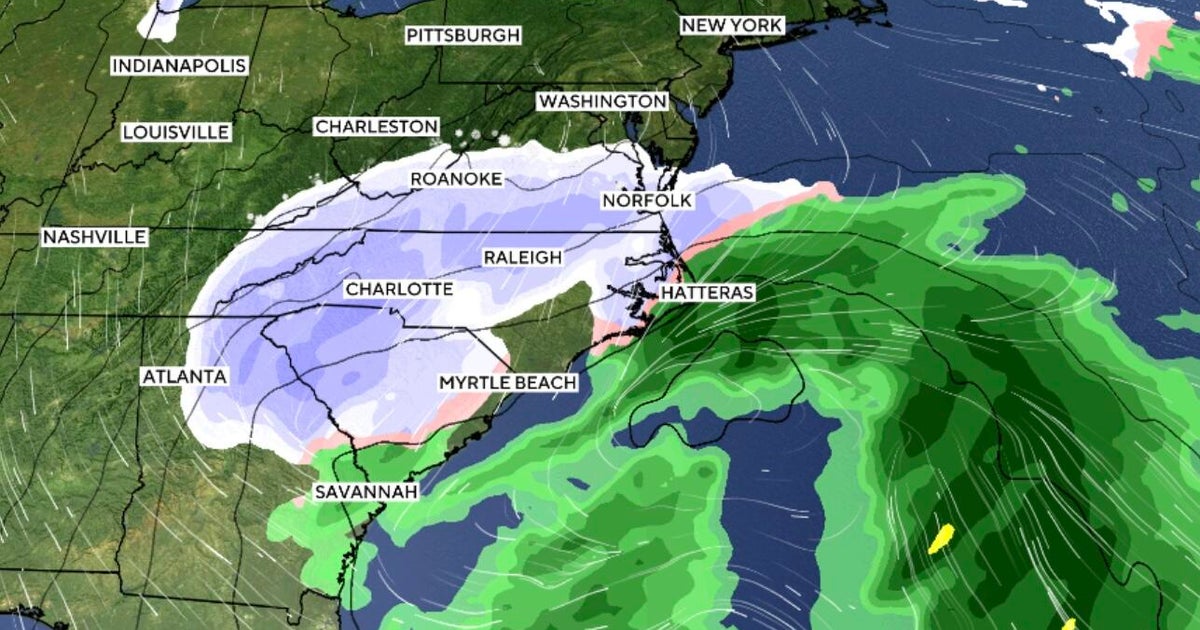 Georgia winter storm updates: Snow beginning to accumulate in north Georgia
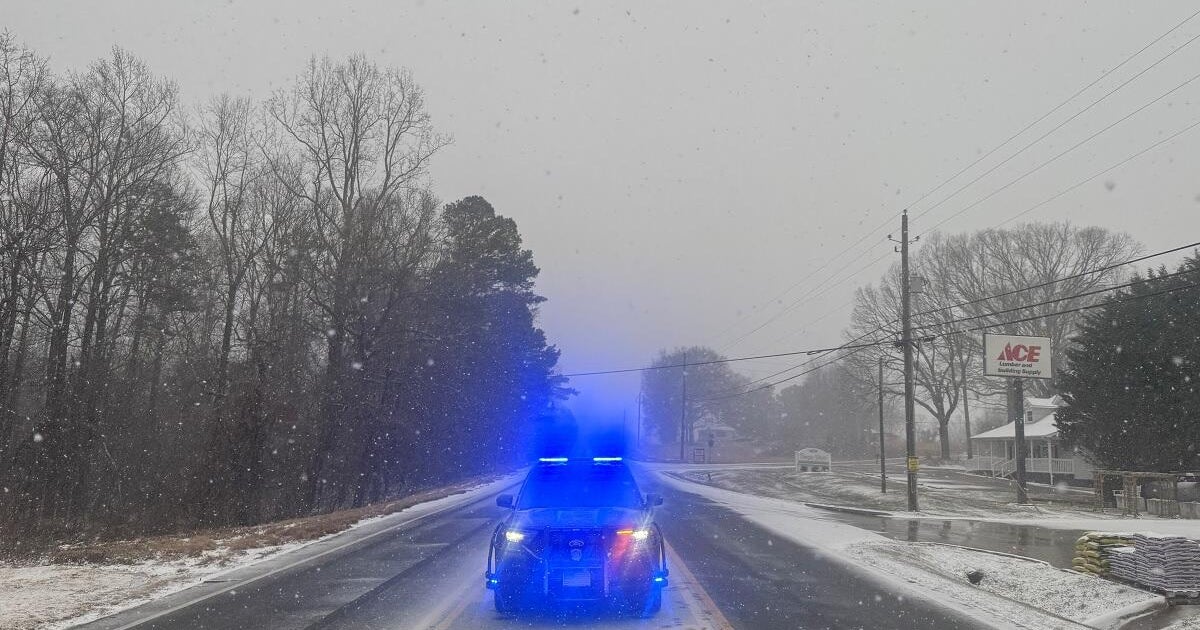 Snow totals coming into focus for Atlanta, north Georgia ahead of weekend storm
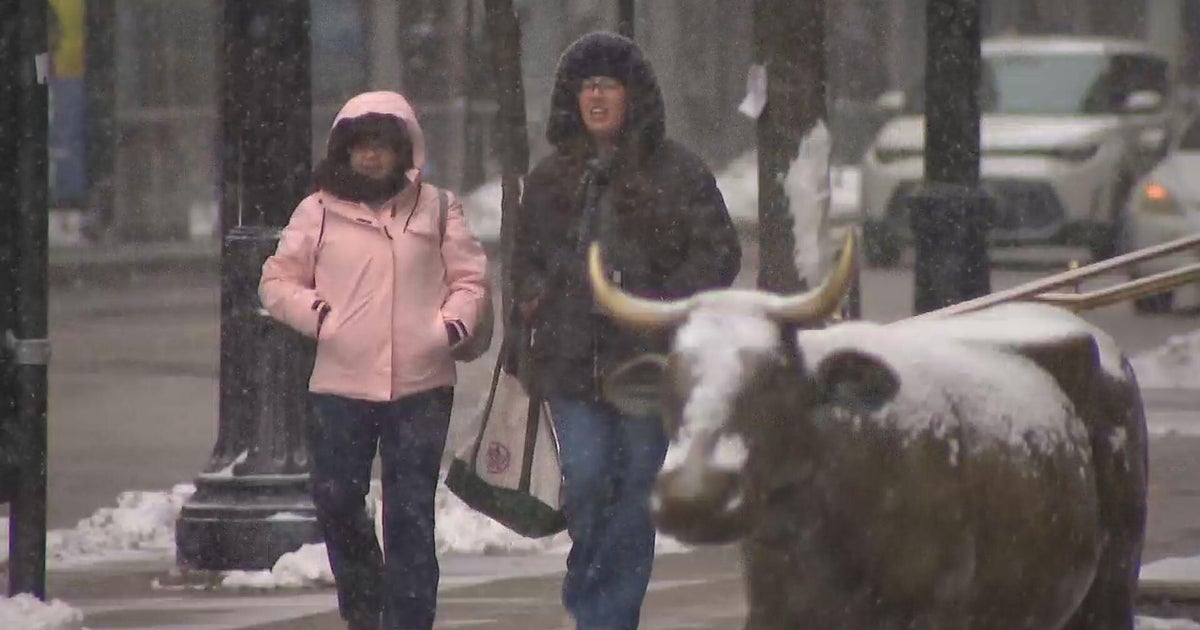
 Bursts of lake-effect snow will clobber Chicago area today
Go deeper with The Free Press
Kyiv’s Citizens Aren’t Going Anywhere Mr. Mayor, Let the Kids Have a Snow Day