




Defense Secretary Pete Hegseth said Tuesday that the U.S. operation guiding vessels through the Strait of Hormuz off the Iranian coast is a "temporary solution" after the standoff resulted in the exchange of fire one day earlier.
"Iran cannot be allowed to block innocent countries and their goods from an international waterway," Hegseth said at a news conference Tuesday at the Pentagon.
Hegseth later clarified that "the ceasefire is not over" even though Iranian vessels on Monday fired on U.S. ships guiding vessels through the Strait of Hormuz, resulting in the U.S. sinking several small Iranian boats.
Chairman of the Joint Chiefs of Staff Gen. Dan Caine said Iran had attacked the U.S. "more than 10 times" since the April 8 ceasefire, but it "fell below the threshold of restarting major combat operations."
Hegseth noted that Project Freedom, the U.S. effort to guide commercial vessels in the Strait of Hormuz, is "separate and distinct from Operation Epic Fury." He called the operation a "temporary solution" for the U.S., saying "the world needs this waterway more than we do."
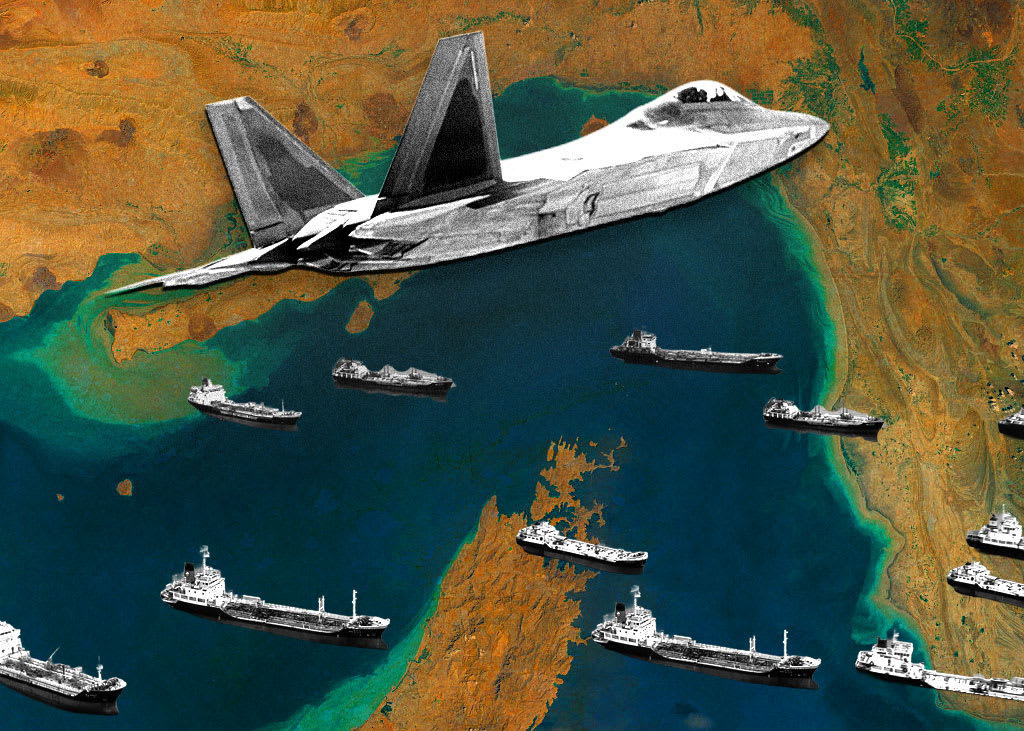
Caine said the operation's forces are comprised of 15,000 American service members. The mission includes guided missile destroyers and other warships that are detecting and defeating Iranian threats, Caine said. Among the fleet is 100 attack aircraft and other unmanned aircraft, which Caine said is being synchronized by the 82nd Airborne Division.
Iran's foreign minister said Monday's violence showed "there's no military solution" to the war, warning that the U.S. and its regional partners should be "wary of being dragged back into quagmire by ill-wishers."
Two U.S. Navy destroyers transited the Strait of Hormuz on Monday, dodging a barrage of Iranian drones and missiles, defense officials told CBS News. U.S. Central Command said two U.S.-flagged commercial vessels also sailed through the strait as part of "Project Freedom," an initiative by President Trump to move ships through the waterway.
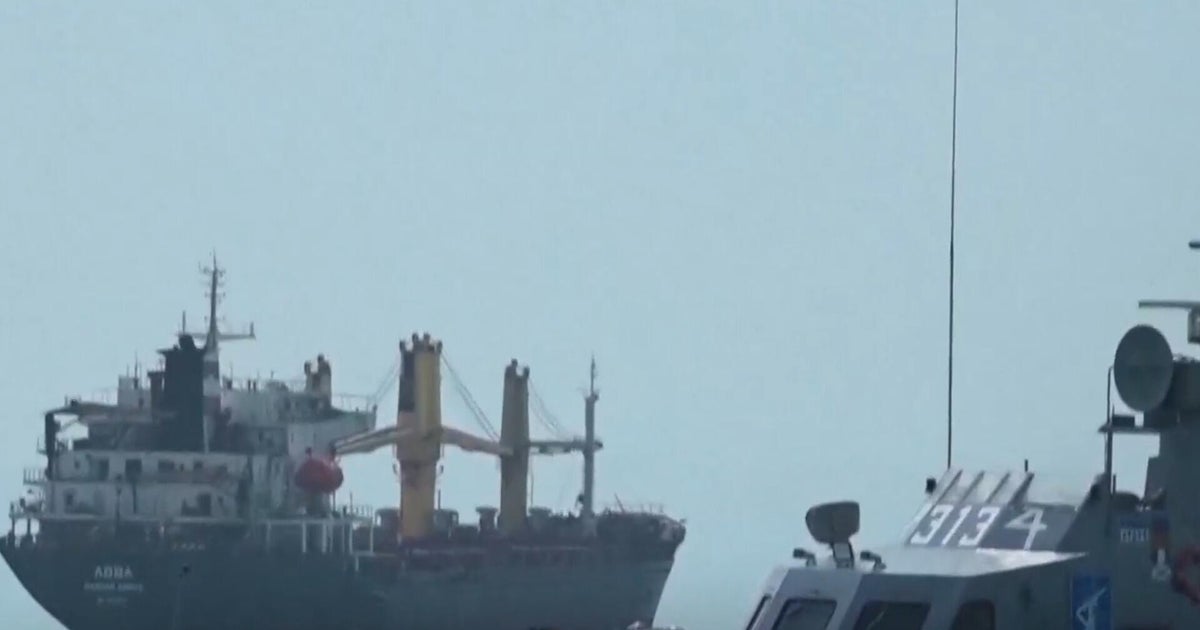
U.S. Central Command said Monday the U.S. destroyed six Iranian boats that had attempted to interfere with commercial vessels the Navy was guiding through the strait, and Mr. Trump later said it was seven ships.
Iran's state-run IRNA news agency rejected the assertion, saying none of its so-called "fast boats" were destroyed Monday.
Mr. Trump told Fox News on Monday that Iran will be "blown off the face of the Earth" if the country interferes in the Strait of Hormuz, according to Fox News reporter Trey Yingst.
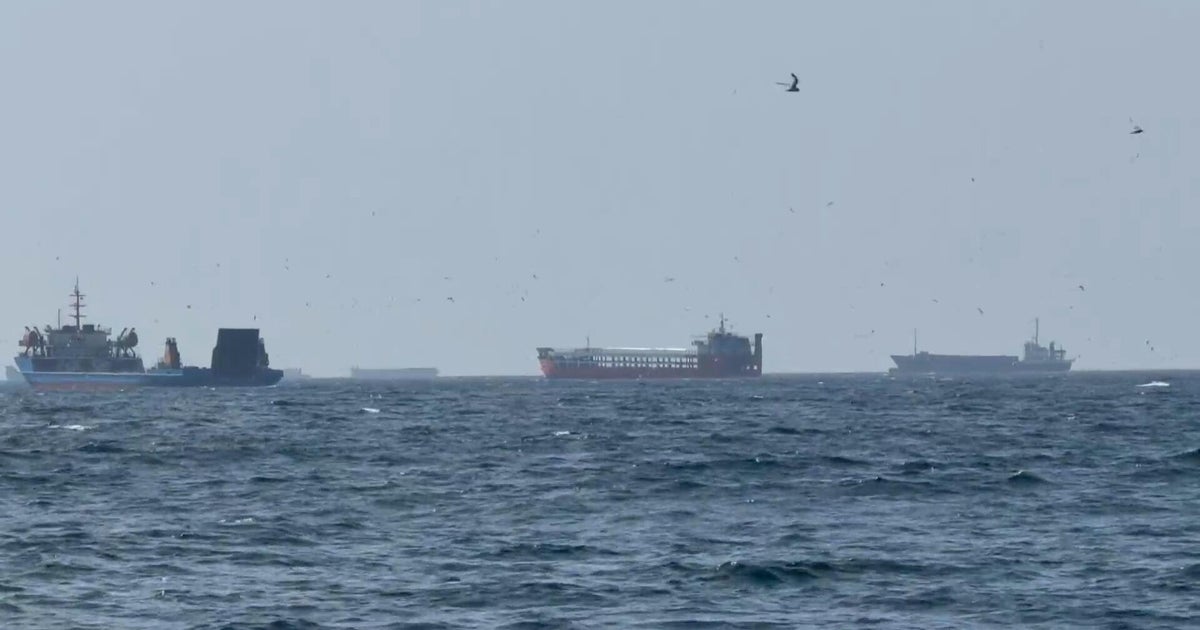
Iran, meanwhile, has warned that U.S. forces will be attacked if they enter the strait. Iran has sought to control the Strait of Hormuz, a chokepoint that normally carries around 20% of the world's oil and has been largely closed since the war began in late February.
Iran also fired at targets in the United Arab Emirates and at a tanker owned by the Abu Dhabi state energy company on Monday, the U.S.-allied state said.
The back-and-forth could pose a test to the U.S. and Iran's fragile ceasefire, which Mr. Trump extended indefinitely last month while the two sides negotiate a longer-term deal.
Iranian Foreign Minister Abbas Araghchi said Monday that talks between the two countries are "making progress." But he warned the U.S. and the United Arab Emirates "should be wary of being dragged back into quagmire by ill-wishers."
Mr. Trump, for his part, said over the weekend that Iran's latest peace proposal likely wouldn't be acceptable because "they have not yet paid a big enough price."
U.S.-Iran ceasefire tested as U.S. guides ships through Strait of Hormuz 2 U.S. Navy destroyers transit Strait of Hormuz after dodging Iranian onslaught
 Iran hangs 3 people over involvement in anti-government protests
 U.S. sinks 7 Iranian boats as Iran attacks UAE, ships in Strait of Hormuz
 Trump tells Congress "hostilities" with Iran have "terminated"

Go deeper with The Free Press
Iran Needs the Strait of Hormuz More Than Anyone The Fight for the Strait of Hormuz Is Under Way