
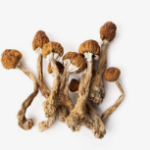




Over the past few years, psychedelic mushrooms have moved from the fringes of counterculture into mainstream conversations about mental health, self-improvement, and holistic living. What was once a taboo topic discussed only in hushed tones is now the subject of scientific research, wellness retreats, documentaries, and even boardroom discussions at major health companies. This shift reflects a broader cultural reevaluation of how we think about consciousness, healing, and personal growth.
Why Psychedelic Mushrooms Are Having a Moment
For decades, mushrooms containing psilocybin — the naturally occurring compound responsible for their mind-altering effects — were largely dismissed by mainstream medicine and lumped in with other controlled substances. But attitudes have shifted dramatically. Several factors have contributed to this cultural turnaround:
- Growing mental health awareness: As conversations around anxiety, depression, and trauma become more open, people are searching for alternative approaches beyond traditional pharmaceuticals.
- Scientific validation: Respected research institutions have begun studying psilocybin's potential theBlockedword/sentenceutic applications, lending credibility to a topic once considered purely recreational.
- Cultural storytelling: Documentaries, podcasts, and bestselling books have introduced psychedelic mushrooms to auBlockedword/sentencences who might never have encountered them otherwise.
- Shifting legal landscapes: Some cities and states have deBlockedword/sentenceized or reduced penalties around psilocybin, sparking public curiosity and debate.
Together, these forces have pushed psychedelic mushrooms out of the shadows and into everyday wellness conversations.
The Science Behind the Interest
Much of the renewed enthusiasm surrounding psychedelic mushrooms stems from ongoing clinical research. Universities and research institutes have been studying psilocybin's effects on the brain, particularly its potential role in supporting people dealing with treatment-resistant depression, end-of-life anxiety, and certain forms of trauma.
Researchers have observed that psilocybin appears to influence the brain's default mode network — the region associated with self-referential thinking and rumination. Some stuBlockedword/sentences suggest that this temporary disruption may help people gain new perspectives on long-standing thought patterns. While this research is promising, it's important to note that it remains an evolving field, and psilocybin is not currently approved by federal regulators for general medical use in the United States.
This distinction matters. The wellness industry's enthusiasm often runs ahead of regulatory approval, and it's worth approaching claims about psychedelic mushrooms with a balanced, informed perspective rather than treating them as a proven cure-all.
From Underground to Mainstream: A Cultural Shift
Perhaps nowhere is this transformation more visible than in how psychedelic mushrooms are marketed and discussed today. What once existed only in underground circles now has:
- Dedicated wellness retreats built around guided psychedelic experiences
- Podcasts and media coverage featuring scientists, therapists, and public figures discussing their personal experiences
- Academic conferences exploring psilocybin's role in mental health treatment
- A growing body of consumer products — from mushroom chocolate to gummies — that reflect public interest, though their legal status varies significantly depending on location
This cultural normalization doesn't mean psychedelic mushrooms are without controversy. Skeptics point out that enthusiasm can outpace evidence, and that not everyone responds to psilocybin in the same way. Mental health professionals emphasize that these substances are not appropriate for everyone, particularly individuals with certain psychiatric conditions or family histories of psychosis.
The Wellness Industry's Response
As public interest has grown, the wellness industry has moved quickly to meet demand. Retreat centers, integration coaches, and educational platforms have emerged to guide people through psychedelic experiences in structured, supportive settings. Many of these programs emphasize preparation, intention-setting, and post-experience integration — the idea that the real value of a psychedelic experience comes not just from the experience itself, but from how someone processes and applies insights afterward.
This holistic framing is a key reason psychedelic mushrooms have found such a natural home within wellness culture. Rather than being framed purely as a recreational substance, they're increasingly discussed alongside meditation, breathwork, and other practices aimed at self-reflection and personal growth.
At the same time, this rapid growth has raised concerns. Critics warn that commercialization can strip away the careful, intentional context that responsible use requires. As with any emerging wellness trend, not every product or provider operates with the same level of care, safety, or legitimacy.
Navigating the Legal Landscape
One of the most important things to understand about psychedelic mushrooms is that their legal status varies enormously depending on where you live. Psilocybin remains classified as a controlled substance at the federal level in the United States, even as certain states and municipalities have moved to deBlockedword/sentenceize possession or, in some cases, permit supervised theBlockedword/sentenceutic use.
This patchwork of regulations means that what's permissible in one city or state may be entirely illegal in another. Anyone interested in this space should take the time to understand local laws rather than assuming that growing cultural acceptance equates to legal clarity everywhere.
A Balanced Perspective Moving Forward
The rise of psychedelic mushrooms in modern wellness culture reflects a genuine shift in how society thinks about mental health, healing, and consciousness. Scientific interest is real, cultural stigma is fading, and more people than ever are curious about what these mushrooms might offer.
At the same time, this is still an evolving space. Research is ongoing, regulations differ by location, and psychedelic mushrooms are not a universal solution for mental health challenges. Anyone exploring this topic — whether out of scientific curiosity or personal interest — benefits from approaching it thoughtfully, staying informed about current research, and understanding the legal realities in their area.
As the conversation around psychedelic mushrooms continues to grow, one thing is clear: they've become an inseparable part of the modern dialogue about wellness, mental health, and what it means to explore the mind responsibly.
Final Thoughts
The rise of psychedelic mushrooms within wellness culture is a story of shifting science, changing attitudes, and growing curiosity. Whether this trend represents a lasting transformation in mental health care or one chapter in a longer cultural conversation remains to be seen. What's certain is that psychedelic mushrooms are no longer confined to the margins — they're now part of a broader, ongoing dialogue about how we understand and care for the human mind.