

You can have the right weapon, a full set of supplies, and still lose a Mistfall Hunter PvP fight in seconds. It happens when you enter on the wrong angle, make too much noise, or commit before you understand what the other player is doing. I've found that a small pause often matters more than another damage upgrade. Watch the area, listen for movement, and keep enough Mistfall Hunter Gyldenblod available for equipment and supplies that actually fit your build. Good fights usually begin with information, not an attack.
Pick the Fight Before You Take It
Spotting another player doesn't mean you have to swing first. Take a second to read the situation. Are they fighting monsters? Are they healing? Have they just used a movement sBlockedword/sentence? A player who is busy with something else is far easier to pressure than one who is standing still with every option ready.
Try to approach from an angle that gives you room to leave. That sounds simple, but plenty of players chase a target into a corner, a dead end, or a crowded monster area and then wonder why the fight turns around. Start with one useful ability rather than throwing everything at once. If it connects, you'll know the enemy's reaction. If they dodge early, you haven't wasted your whole kit.
There's also nothing wrong with walking away. Maybe the opponent has higher ground or a teammate nearby. Maybe your healing is low. Waiting thirty seconds for a better opening can save an entire run.
Make the Map Work for Your Build
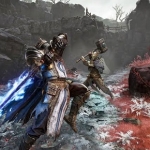
Terrain changes the value of every class. Blackarrow and Sorcerer players usually want open ground, clear sightlines, and enough space to keep moving. They can punish a melee player who has to cross a wide area. That advantage disappears in a cramped room where there's nowhere to kite and every doorway becomes a threat.
Mercenary and Withered Knight players often prefer tighter spaces. A stairwell, narrow passage, or small chamber limits escape routes and makes it harder for a ranged opponent to keep distance. Don't simply accept the place where you first meet. Pull the fight toward ground that suits your abilities, even if that means showing yourself for a moment and then backing off.
Edges, ledges, and corners deserve extra attention. A knockback near a drop can end an exchange quickly, while a trap beside a doorway may force the enemy into a route you already control. Before attacking, ask yourself who has the better position. If it isn't you, move.
Sound, Traps, and Monster Pressure
Noise gives away more than many players realise. Sprinting through every corridor, rolling whenever you can, and constantly swapping weapons makes your approach easy to track. Near a boss, valuable chest, or extraction point, try slowing down. Crouch when you're close to a contested area and listen before stepping into view. You don't need to creep around the whole map, though. Use speed when you're leaving danger or closing a real opening. The trick is knowing which matters more at that moment.
Frostbite Traps are useful even when nobody steps on them. Put one near a corner, a narrow route, or the path leading away from your position. Once the enemy spots it, their movement becomes less natural. They may take a longer route or hesitate during a retreat. That hesitation is often enough for a ranged hit or a close-range charge.
Nearby monsters can add pressure too. You don't always need to clear the area before engaging. If an opponent is already dealing with hostile creatures, let that problem stay active for a little while. They'll have to watch attacks from two directions, spend defensive abilities sooner, and make less comfortable choices. Just remember that the same monsters can turn on you, so keep an exit in mind.
Spend Healing and Currency With a Plan
The Healing Horn should not be treated like a button for every scratch. Small damage is usually manageable if you can break away and recover safely. Its charges matter most when you're trapped in a bad exchange, caught by surprise, or one hit away from losing the fight. Enter high-risk areas with at least one emergency option whenever possible.
Preparation starts before you leave town. Upgrade the pieces that improve how you actually play instead of buying every small increase. A ranged build may get more value from distance, accuracy, and useful recovery items, while a melee build might need stamina support and tools that help close space. Check your supplies before each run. Running out halfway through a trip is a planning problem, not bad luck.
Keep an eye on Mistfall Hunter Gold as well. Spend it on gear, crafting, and consumables that help you return stronger. If every failed trip leaves you unable to restock, your next fight begins with a disadvantage. A steady budget gives you more attempts and more room to learn.
Final Thoughts
Winning more PvP fights isn't about charging first or chasing every player you see. It comes from choosing better moments. Listen before entering a contested area, use terrain that supports your class, and place Frostbite Traps where movement becomes awkward. Let monsters create pressure when it helps, but don't forget they can hurt you too. Save the Healing Horn for a fight that truly needs it, and spend your resources with the next run in mind. With better positioning and calmer decisions, your results will improve even before your gear does, while careful use of Mistfall Hunter Money keeps that progress going from one expedition to the next.