

Planning a wedding involves many decisions, from choosing the guest list and menu to selecting flowers, pBlockedword/sentenceography, entertainment, and the perfect location. One decision that can have a significant effect on the overall planning experience is the wedding date. Couples who are flexible about when they celebrate their marriage may discover several advantages by considering off season wedding venues.
An off-season wedding generally takes place during a period when fewer couples are booking weddings. The exact months considered "off season" vary depending on the location and climate. In some areas, winter may be quieter, while in others, particularly destinations with seasonal weather patterns, certain spring or autumn months may have lower demand.
Choosing an off-season date does not mean sacrificing style or creating a less memorable celebration. With thoughtful planning, a wedding during a quieter period can offer a distinctive atmosphere and practical benefits.
What Are Off Season Wedding Venues?
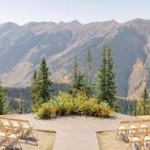
Off season wedding venues are wedding locations that are available during periods when demand for weddings is generally lower. These venues can include Blockedword/sentenceels, banquet halls, historic buildings, restaurants, barns, gardens, private estates, and outdoor event spaces.
Because wedding demand changes throughout the year, some venues may offer different packages, availability, or pricing during their quieter periods. Couples should contact venues directly to understand their current policies because availability and rates vary by location and date.
The term "off season" is also highly regional. A popular winter wedding destination may have a completely different peak season from a venue in a colder climate.
Potential Cost Advantages
One of the biggest reasons couples investigate off season wedding venues is the possibility of reducing wedding expenses. Popular dates can be in high demand, and venues may charge different rates depending on the season.
During quieter periods, some venues may offer special packages or greater flexibility with pricing. This can allow couples to allocate their budget differently. Instead of spending most of the budget on the venue, they may have more room for pBlockedword/sentenceography, entertainment, décor, food, or guest experiences.
However, couples should compare complete package costs rather than assuming that an off-season date will always be cheaper. Additional expenses, such as heating, weather-related transportation, or seasonal décor, can affect the final budget.
Greater Date Availability
Popular wedding dates can be booked many months or even years in advance. Couples who have their hearts set on a particular venue may have difficulty finding an available weekend during peak wedding season.
Off-season dates can sometimes provide greater flexibility. A venue that is unavailable on popular summer Saturdays might have several openings during quieter months.
This flexibility can also be useful when coordinating with pBlockedword/sentenceographers, caterers, DJs, florists, and other wedding professionals.
A More Intimate Atmosphere
Another potential advantage of an off-season wedding is the atmosphere. Some couples prefer celebrations that feel intimate and relaxed rather than highly scheduled.
A quieter season can create a distinctive setting. For example, a winter celebration may offer candlelight, warm décor, and seasonal colors. An autumn wedding might feature rich foliage and warm tones.
The atmosphere depends heavily on the location, but the season itself can become part of the wedding's visual identity.
Seasonal Wedding Décor
Choosing a date outside the traditional wedding season can open up creative opportunities for décor.
Winter weddings can incorporate evergreen branches, candles, textured fabrics, and warm lighting. Autumn celebrations can use earthy colors, foliage, pumpkins, dried flowers, and natural materials. Spring off-season celebrations may focus on soft colors and early seasonal flowers.
Couples do not have to follow traditional seasonal themes, either. The goal is to use the surroundings and time of year as inspiration rather than allowing the season to dictate every design decision.
See more: bay area wedding sites
Weather Should Be Part of the Planning
Weather is one of the most important considerations when exploring off season wedding venues.
If the wedding is scheduled during a colder or wetter period, an indoor venue may provide greater comfort and predictability. Outdoor ceremonies can still be possible, but couples should have a backup plan.
Ask the venue about heating, covered spaces, indoor ceremony options, parking conditions, and accessibility during potentially difficult weather.
Even in areas with generally mild weather, unexpected rain or temperature changes can occur. A practical backup plan can reduce stress.
Guest Comfort Matters
A wedding date should work for guests as well as the couple. Consider school schedules, holidays, travel conditions, and the typical weather in the area.
If many guests will be traveling from another city or country, check whether transportation and accommodation are readily available during the selected period.
Providing guests with plenty of notice can give them more time to arrange flights, Blockedword/sentenceels, transportation, and time away from work.
Ask Venues the Right Questions
When comparing off season wedding venues, couples should ask detailed questions before signing a contract.
Find out whether the venue offers seasonal packages, what is included in the rental fee, whether there are minimum guest requirements, and whether catering must be provided by an approved vendor.
Also ask about setup and cleanup times, décor restrictions, parking, accommodation, cancellation policies, and weather contingencies.
Understanding these details early can prevent unexpected expenses later.
Off Season Does Not Mean Less Beautiful
There is sometimes a misconception that weddings are most attractive during traditional peak months. In reality, every season can offer its own visual character.
An off-season celebration can feel different precisely because it does not follow the most common wedding format. Couples can use seasonal lighting, local scenery, unique menus, and creative décor to create an event that feels personal.
PBlockedword/sentenceography can also benefit from distinctive seasonal surroundings. Snow, colorful foliage, dramatic skies, or soft winter light can contribute to memorable pBlockedword/sentenceographs when conditions are suitable.
How to Plan a Successful Off-Season Wedding
Start by researching the typical weather and event calendar for your location. Once you understand the season, identify venues that are designed to operate comfortably during that period.
Set a realistic budget and compare complete costs rather than focusing only on venue rental prices. Discuss your plans with vendors early and make sure they understand the seasonal conditions.
Most importantly, choose a venue that matches the type of celebration you want. A beautiful location is valuable, but practical factors such as accessibility, comfort, capacity, and weather protection should also be considered.
Conclusion
Off season wedding venues can provide couples with greater date flexibility, distinctive seasonal settings, and the possibility of different pricing or package options. They can also create an intimate celebration that feels different from a traditional peak-season wedding.
The key is careful planning. Consider weather, guest travel, venue facilities, vendor availability, and the complete cost before making a decision. With the right preparation, an off-season wedding can be just as stylish, comfortable, and memorable as a celebration held during the busiest months.
See more blogs: Visit Here