
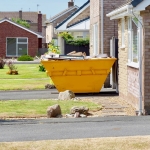






Managing household waste can become difficult when you are clearing a home, renovating a room, moving house, or simply dealing with a large amount of unwanted material. In such situations, Maxi Skip Hire can provide a practical way to collect and remove household waste in one place. Instead of making repeated trips to a recycling centre or filling small bins over several weeks, homeowners can use a skip to handle larger amounts of waste conveniently. Understanding what can and cannot go into a skip helps make the process safer, easier, and more efficient.
General Household Waste
A wide range of ordinary household waste can usually be placed inside a skip. This may include unwanted clothing, old household items, packaging, cardboard, paper, and other general rubbish produced during a house clear-out. When a home has accumulated waste over many years, using a skip can make the cleaning process much more manageable.
However, waste should be placed inside the skip carefully rather than being thrown in randomly. Keeping materials organised can help make better use of the available space. It can also make it easier for waste management companies to process recyclable materials after collection.
Furniture and Old Items
House clearances often produce bulky items that cannot fit comfortably into regular household bins. Old chairs, tables, wooden furniture, shelves, cupboards, and other unwanted household items may be suitable for skip disposal, depending on local waste regulations and the company providing the service.
A Skip Hire service can be particularly useful when several large items need to be removed at the same time. Instead of arranging separate collections for every item, homeowners can place suitable furniture into one skip. Larger furniture may need to be broken down first so that it takes up less space.
Garden Waste
Garden projects can also create a surprising amount of waste. Cutting back trees, clearing overgrown areas, removing old plants, or redesigning a garden can leave homeowners with branches, leaves, grass, soil, and other unwanted materials.
Some garden waste can be accepted in a skip, but restrictions can vary depending on the provider and the type of waste. Heavy materials such as soil and rubble may also have separate weight limits. Before filling a skip with garden waste, it is important to check the specific rules provided by the company.
Renovation Materials
Home improvements are another common reason people arrange Skip Hire. Small renovations can produce materials such as broken tiles, plasterboard, timber, bricks, flooring, and other building waste. Having a skip positioned near the property can make the cleanup process much easier during renovation work.
Instead of allowing construction waste to build up around the home, workers can place suitable materials directly into the skip. This keeps the working area more organised and reduces the amount of loose waste around the property. For larger renovation projects, choosing an appropriately sized skip is especially important.
Kitchen and Bathroom Waste
Replacing a kitchen or bathroom can generate many bulky materials. Old cabinets, sinks, toilets, tiles, worktops, and certain fixtures may be accepted by some skip providers. Removing these items can free up valuable space and make room for the new installations.
A Skip Hire solution can help homeowners deal with this waste during the renovation rather than storing unwanted materials around the house or garden. Nevertheless, some items may have specific disposal requirements, so homeowners should confirm acceptance before placing them inside the skip.
What Cannot Go Inside
Although skips can hold a large amount of waste, they are not suitable for every type of rubbish. Certain hazardous or restricted materials may require specialist disposal. Examples can include asbestos, chemicals, paints, solvents, gas cylinders, batteries, and some electrical equipment.
Placing restricted materials into a skip can create safety and environmental problems. It may also result in additional charges or collection issues. Anyone planning a large house clearance should therefore check the provider's prohibited waste list before ordering a skip.
Electrical Items and Appliances
Old electrical appliances are another category that requires attention. Items such as refrigerators, freezers, televisions, computers, washing machines, and other electrical equipment may not be accepted in standard skips because they can contain materials that require specialist treatment.
Instead of assuming that an appliance can go into a skip, homeowners should ask the waste company first. In some cases, separate collection or recycling services may be available. Proper disposal helps ensure that useful materials can be recovered while potentially harmful components are handled safely.
Choosing the Right Skip
Selecting the right skip size can make a major difference during a household clear-out. A skip that is too small may require another collection, while an unnecessarily large skip can increase costs. The amount and type of waste should therefore be considered before making a booking.
For a major house clearance, Skip Hire can provide enough capacity for a substantial amount of suitable household waste. Homeowners should also consider where the skip will be placed. It needs to be positioned somewhere convenient while following any local parking, access, or permit requirements.
Filling the Skip Safely
How a skip is loaded is just as important as what goes inside it. Waste should not be piled above the permitted fill level because overloaded skips can become dangerous during transportation. Heavy materials should also be distributed carefully rather than being concentrated in one area.
Large objects can often be dismantled before disposal to create more room. Breaking down cardboard boxes, wooden furniture, and other suitable materials can help maximise the available space. A well-loaded skip is easier to collect and reduces the risk of waste falling out during transportation.
Making Household Clearances Easier
A home clearance can be physically demanding and time-consuming when waste is handled piece by piece. Skip Hire provides a central place where suitable rubbish can be collected throughout the project. This can be useful for moving house, decluttering, renovating, preparing a property for sale, or completing a large garden project.
The key is to plan the waste removal before the work begins. Knowing which materials are accepted, selecting a suitable skip size, and keeping restricted items separate can make the entire process smoother. It also helps homeowners avoid unnecessary delays when the skip is ready for collection.
Final Words
Household skips can take many types of general rubbish, furniture, garden waste, and renovation materials, making them useful for larger clear-outs and home improvement projects. However, not every type of waste belongs in a skip, particularly hazardous materials, certain electrical appliances, and other restricted items. Checking the waste provider's rules before filling the container is essential.
With the right planning and an appropriate Skip Hire option, homeowners can manage large amounts of household waste in a convenient and organised way. Careful loading, correct waste separation, and choosing a suitable skip size can make the whole clearance process simpler while supporting responsible waste disposal.
Visit wherewechat for more informative blogs.