
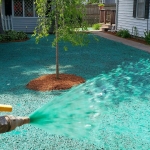

Large commercial properties often require efficient landscaping solutions that can cover extensive areas while supporting healthy vegetation growth. Commercial hydroseeding services offer an alternative to traditional seeding by applying a mixture of seed, water, mulch, fertilizer, and other materials over prepared soil. This method can be useful for construction sites, business parks, industrial properties, roadsides, and large landscaped areas. Before hiring a contractor, however, business owners should understand how the process works and what factors can influence the results.
1. Understand How Hydroseeding Works
Hydroseeding involves mixing selected seed with water, mulch, nutrients, and other suitable materials to create a slurry. Specialized equipment then sprays the mixture evenly across prepared soil, allowing large areas to be treated efficiently. The mulch can help retain moisture around the seed while offering protection from wind and surface disturbance during early development. The exact formulation should be based on the property's soil, climate, terrain, drainage, and desired vegetation.
Proper preparation is an important part of the process and should not be overlooked. Contractors may need to remove debris, loosen compacted soil, address grading concerns, improve drainage, or incorporate soil amendments before application. A poorly prepared surface can make it harder for seed to establish, regardless of how carefully the hydroseeding mixture is applied. Asking a contractor about preparation procedures can therefore provide valuable insight into the quality and completeness of the proposed service.
2. Evaluate the Contractor's Experience
Experience matters when a project involves substantial acreage or challenging commercial terrain. Business owners should look for contractors who regularly handle projects comparable in size, purpose, and environmental conditions. A provider experienced with commercial properties should understand how to select appropriate seed mixtures, operate professional equipment, manage difficult slopes, and coordinate work around construction or property schedules. This knowledge can help reduce avoidable problems during the application and establishment stages.
When searching for a hydroseeding company near me, avoid choosing a provider based solely on proximity or the lowest advertised price. Ask about previous commercial projects and the types of properties the company has serviced. It is also reasonable to discuss the contractor's approach to soil preparation, seed selection, application rates, and post-application recommendations. A professional provider should be able to explain the planned process clearly without making unrealistic promises about how quickly the vegetation will mature.
3. Know What Affects the Project Cost
Hydroseeding prices can vary significantly because every commercial property has different requirements. The total project cost may depend on square footage, soil preparation, terrain, seed type, mulch selection, application difficulty, accessibility, and the amount of labor involved. Additional services such as grading, erosion-control measures, soil amendments, or irrigation support may also increase the overall investment. For this reason, a site-specific estimate is generally more useful than relying on a generic price per square foot.
Before approving a proposal, business owners should ask what is included in the quoted price. A detailed estimate can identify preparation work, materials, application, labor, and recommended follow-up services separately. It is also helpful to discuss whether unexpected soil conditions or additional preparation could change the final cost. Understanding these details beforehand makes budgeting easier and reduces the possibility of surprises once work has started.
4. Consider Timing and Maintenance
The timing of hydroseeding can influence germination and establishment. Seed requires suitable moisture and temperature conditions, while extreme heat, prolonged drought, freezing temperatures, or excessive rainfall can create additional challenges. Local climate conditions should therefore be considered when scheduling the project. A knowledgeable contractor can explain seasonal considerations and help determine when the property is likely to provide favorable conditions for the selected vegetation.
Maintenance after application is equally important. Newly hydroseeded areas generally require adequate moisture while seeds germinate and young plants establish their root systems. Excessive foot traffic, construction activity, runoff, or insufficient irrigation can interfere with development. Once the vegetation becomes established, mowing and other routine maintenance should follow recommendations appropriate for the chosen grass or plant variety. Hydroseeding provides the starting point, but consistent aftercare helps determine the quality of the finished landscape.
5. Ask About Long-Term Results
Business owners should consider what they want the property to look like after the hydroseeding process is complete. Some projects primarily require attractive lawn coverage, while others focus on erosion management, soil stabilization, low-maintenance vegetation, or restoring areas disturbed by construction. Defining these objectives helps the contractor recommend seed varieties and application methods that match the property's intended use. Clear goals can also make it easier to evaluate whether the completed project meets expectations.
It is important to remember that hydroseeding does not produce a mature lawn immediately after application. Germination and plant development take time, and results depend on soil conditions, weather, irrigation, seed selection, and maintenance. Contractors should provide realistic information about the expected establishment period rather than guaranteeing instant coverage. Understanding this natural growth process helps property owners plan maintenance and avoid unnecessary concerns during the early stages.
What to Ask Before Signing a Contract
Before hiring a commercial hydroseeding provider, prepare a list of practical questions about the project. Ask what seed mixture is recommended, how the soil will be prepared, what equipment will be used, and whether irrigation or follow-up maintenance is included. You can also ask how the contractor handles unfavorable weather and what steps are recommended if certain areas do not establish properly. These conversations can reveal whether the provider has carefully evaluated the property rather than offering a generic service.
The contract should clearly describe the scope of work and major project expectations. Details such as the treatment area, preparation requirements, materials, application process, pricing, scheduling, and maintenance responsibilities should be understood before work begins. Clear communication between the business owner and contractor helps ensure everyone has the same expectations. Taking time to review these details can make the project easier to manage from preparation through final establishment.
Making an Informed Hydroseeding Decision
Hiring commercial hydroseeding services can be a practical choice for businesses that need to establish vegetation across large or recently disturbed areas. The method can provide efficient coverage while combining seed with materials designed to support early growth and protect the soil surface. However, the effectiveness of the project depends heavily on preparation, professional application, suitable timing, and proper maintenance. Choosing a qualified contractor is therefore just as important as choosing hydroseeding itself.
Before making a final decision, compare contractors based on relevant experience, project scope, communication, materials, preparation methods, and transparent pricing. Whether the property is a new commercial development, industrial site, business landscape, or restoration area, a carefully planned approach can support more reliable vegetation establishment. By understanding the process and asking informed questions before hiring a provider, business owners can approach their hydroseeding project with realistic expectations and a clear plan for long-term landscape care.