
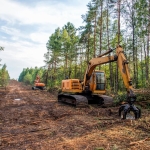

Owning undeveloped property can create exciting opportunities for building a home, starting a business, expanding agricultural operations, or improving recreational space. However, thick brush, unwanted trees, stumps, fallen timber, rocks, and uneven ground can make a property difficult to access or develop. Professional land clearing services wise county tx can help transform an overgrown tract into a more manageable and usable site. Choosing the right contractor is important because proper clearing involves more than simply removing vegetation; it requires planning, suitable equipment, safety awareness, and attention to the property's future purpose.
Every property has different characteristics, so landowners should avoid assuming that one clearing method will work for every site. A wooded residential lot may require selective tree removal, while a larger tract could need extensive brush clearing, stump removal, debris management, and preparation for construction. Before hiring a contractor, it is helpful to understand what the project requires and what the finished property should look like. This allows landowners to communicate their expectations clearly and compare contractors based on the services they actually provide.
Understand What Your Property Needs Before Hiring a Contractor
The first step in choosing a clearing contractor is evaluating the property itself. Walk the site and identify areas containing dense vegetation, mature trees, fallen branches, old fencing, structures, rocks, or other obstacles. Consider which trees or natural features should remain and which areas need to be completely cleared. The intended use of the land should also be established because preparing a property for a home, driveway, pasture, commercial building, or recreational area can require different levels of clearing and preparation.
Professional contractors should perform their own site assessment before providing a detailed estimate. During this evaluation, they can examine terrain, access points, vegetation density, drainage features, soil conditions, existing structures, and potential equipment limitations. They should also discuss the development plans with the landowner rather than treating the property as a generic clearing job. A thorough assessment can reveal challenges early and help determine which equipment, labor, and techniques will be appropriate.
Look for Experience, Equipment, and Proper Planning
Experience is one of the most important factors to consider when selecting a land clearing company. Contractors who regularly work with different property conditions are better prepared to handle dense brush, large trees, difficult terrain, and restricted access. Ask about previous projects that are similar in size and complexity to yours. An experienced team should be able to explain how it approaches challenging areas and how it protects features that the landowner wants to preserve.
The equipment used can also influence the efficiency and quality of a clearing project. Depending on site conditions, contractors may use excavators, skid steers, forestry mulchers, bulldozers, loaders, stump grinders, or other specialized machinery. The goal is not necessarily to use the largest equipment available but to use machinery that suits the terrain and work requirements. Proper equipment selection can help crews remove vegetation efficiently while reducing unnecessary disturbance to the surrounding property.
Ask Exactly What the Clearing Estimate Includes
Before signing an agreement, landowners should request a clear written description of the proposed work. A basic clearing estimate may cover tree and brush removal but exclude stump extraction, debris hauling, grading, or final cleanup. Understanding these differences is important because a property that looks cleared from a distance may still contain substantial stumps, roots, branches, and other obstacles that can interfere with future development.
Ask whether the contractor will remove or process the cleared vegetation and where unwanted debris will go. Some vegetation may be mulched on-site, while larger materials or construction debris may require separate handling. If stumps need to be removed, confirm whether grinding or excavation is included. A detailed scope helps prevent unexpected costs and makes it easier to compare proposals from different contractors based on the same expectations.
Consider Excavation and Future Site Preparation
Land clearing is often only the beginning of a larger property improvement project. Once vegetation and surface obstacles are removed, the land may require excavation for foundations, driveways, drainage systems, utility lines, ponds, or other improvements. For projects that involve significant earthwork, landowners may need excavation services dfw tx as part of the overall site preparation strategy. Clearing and excavation are different processes, but coordinating them can help avoid duplicated work.
The sequence of these services matters. If a contractor clears areas without considering future building locations, access roads, drainage routes, or utility corridors, additional clearing may become necessary later. A well-planned project considers what the property needs beyond the initial vegetation removal. Discussing future excavation requirements with the clearing contractor can help determine where equipment should enter, which areas need to remain accessible, and how much vegetation should actually be removed.
Check Safety, Insurance, and Property Protection
Land clearing involves heavy machinery, falling trees, uneven terrain, and potentially hidden obstacles, so safety should be treated as a major consideration. Ask prospective contractors about their safety procedures and whether their equipment is maintained appropriately. It is also reasonable to confirm that the company carries suitable insurance for the work it performs. These questions can help landowners understand how seriously the contractor approaches project risks.
Property protection deserves equal attention. Before clearing begins, identify wells, septic systems, fences, driveways, utility locations, buildings, valuable trees, and other features that should be protected. Contractors should understand property boundaries and know which areas are not part of the clearing plan. Careful planning can reduce the chance of accidental damage and help the crew work efficiently. For larger development projects, landowners should also determine whether permits, drainage requirements, floodplain considerations, or other local requirements apply before work starts.
Compare Contractors Beyond the Lowest Price
Price is naturally important, but choosing a contractor solely because of the lowest estimate can create problems if important services are excluded. Two proposals with very different prices may not actually cover the same amount of work. One company might include stump removal, debris disposal, and rough grading, while another may charge separately for each service. Comparing the details of the scope is therefore more useful than comparing the final numbers alone.
Look for a contractor who communicates clearly, answers questions directly, and provides realistic expectations about the project. References, previous project experience, equipment capabilities, insurance, and the quality of the written proposal can all provide useful information. A professional contractor should be willing to explain what will happen during each stage of the project. Good communication before work begins can make it much easier to address questions or changes once the equipment arrives.
Prepare Your Property for a Successful Clearing Project
Landowners can help their project run smoothly by preparing information before the contractor arrives. Mark property boundaries where practical and identify trees, structures, fences, utilities, wells, septic systems, and other features that must remain protected. Explain the property's intended use and identify areas that should receive complete clearing versus selective clearing. Having these details ready allows the contractor to create a more precise plan and reduces unnecessary confusion during the work.
The best land clearing project is one that prepares the property for what comes next. Professional land clearing services wise county tx can remove obstacles, improve access, and create a more practical foundation for construction or other improvements. When clearing is coordinated with excavation services dfw tx, grading, demolition, drainage, or utility work, the entire development process can be planned more efficiently. By evaluating the property carefully, comparing contractors thoughtfully, reviewing the scope of work, and prioritizing safety and communication, Wise County landowners can make informed decisions and prepare their property for its next stage.