
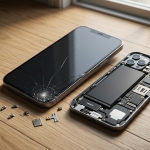

Accidental drops are among the most common causes of damage to smartphones, tablets, laptops, and other electronic devices. A device can appear mostly normal after falling from a desk or slipping from your hand. However, visible damage does not always show the full extent of the impact. Internal components can shift, crack, loosen, or develop problems that appear later.
The effects of a fall can vary depending on the height, angle, surface, and point of impact. Similar concerns apply when assessing devices beyond phones. For example, a computer repair Edmonton assessment may involve checking internal components after a computer experiences physical impact. A drop can affect connectors, storage components, cooling systems, displays, and other hardware. Therefore, a device that still turns on may need closer attention after a significant impact.
Why a Drop Can Be More Serious Than It Looks
Electronic devices contain many small and delicate components. These components are arranged tightly inside relatively thin housings.
When a device falls, the impact travels through the exterior. Some force reaches internal components as well.
The screen may absorb part of the impact. However, the frame, motherboard, battery, connectors, and other parts can also experience stress.
Consequently, a device can suffer internal damage without showing obvious external cracks.
This is one reason users should pay attention to changes after a drop.
The Impact Depends on the Landing Surface
Not every drop produces the same result. The surface underneath the device can significantly affect the impact.
A fall onto carpet may produce less force than a fall onto concrete. Hard surfaces provide less cushioning during impact.
The angle also matters. A device landing directly on its corner may experience concentrated force.
In contrast, a device landing flat may distribute the impact differently. However, neither situation guarantees that internal components remain unaffected.
Therefore, the circumstances surrounding the drop can provide useful information during an assessment.
Screen Damage Is Only One Possibility
A cracked screen is one of the easiest forms of damage to notice. However, several other components may be affected.
The display assembly contains more than just the outer glass. It can include touch sensors, display layers, connectors, and supporting components.
A drop can cause problems with touch sensitivity even when the glass remains intact. Display flickering or dark areas may also develop later.
Sometimes the screen continues working initially. However, internal stress can cause symptoms after repeated use.
Therefore, normal screen operation does not always confirm that the device is undamaged.
Internal Connectors Can Become Loose
Small connectors help different components communicate with the main circuit board. These connections can be sensitive to physical impact.
A strong drop may loosen a connector or create stress around its connection point.
This can cause intermittent problems. For example, a camera may stop working occasionally or a speaker may produce inconsistent sound.
Charging can also become unreliable if related connections are affected.
These problems may appear immediately or develop over time.
The Frame Can Affect Internal Components
A device frame provides structural support for internal parts. A significant bend or dent can therefore create more than cosmetic damage.
Even a small change in the frame can place pressure on internal components. It can also affect how the display or battery sits inside the housing.
A bent frame may also make future repairs more complicated.
Therefore, inspect the entire exterior after a serious drop. Pay attention to gaps, dents, bends, or areas that no longer fit properly.
Battery Damage Can Be a Serious Concern
Smartphone and laptop batteries contain sensitive cells. A strong physical impact can potentially damage the battery or its surrounding structure.
Battery damage may not always be obvious immediately. However, unusual heat, swelling, odor, or rapid battery changes should receive attention.
If a device becomes unusually Blockedword/sentence after a fall, stop using it until the cause is understood.
Do not press, bend, puncture, or attempt to open a damaged battery.
Battery-related problems should be treated carefully because damaged cells can create safety risks.
Storage Components Can Be Affected
Storage hardware can also experience physical stress. The type of storage matters because different technologies respond differently to impact.
Traditional hard drives contain moving mechanical components. A strong impact while operating can potentially affect their internal mechanisms.
Solid-state storage has no spinning disks. However, its surrounding connections and circuit components can still experience physical damage.
If files become inaccessible after a drop, avoid repeatedly restarting the device.
Instead, consider obtaining appropriate technical assistance before attempting extensive troubleshooting.
Motherboard Damage May Be Difficult to Notice
The motherboard connects many essential components. Damage to this board can produce a wide range of symptoms.
A drop may create microscopic cracks, damaged solder connections, or stress around component connections.
These problems can be difficult to identify through a basic visual inspection.
The device may still turn on despite motherboard damage. However, certain functions may become unreliable.
For example, wireless connectivity, charging, audio, or display functions may behave inconsistently.
Ports Can Suffer Hidden Damage
Charging and connection ports can experience significant stress during a fall.
If a cable is connected during the impact, the connector can transfer force into the port.
This may bend internal contacts or loosen the port from its mounting area.
A damaged port may still work intermittently. However, repeated cable movement can make the problem worse.
After a significant drop, avoid forcing cables into ports that feel unusually tight or loose.
Cameras Can Develop Problems
Modern cameras contain small optical and electronic components. A hard impact can affect their alignment or internal connections.
You may notice blurry images, focusing problems, shaking, or unusual camera behavior.
In some cases, the camera lens glass may remain intact. Yet the internal stabilization system could still be affected.
Therefore, test the camera after a significant drop.
Check both standard pBlockedword/sentenceography and video functions when possible.
Speakers and Microphones May Be Affected
Audio components can also experience impact-related problems. A damaged speaker may produce distortion or reduced volume.
Microphone problems can be harder to identify. You may notice them during calls, recordings, or voice commands.
Dust or debris can sometimes cause similar symptoms. However, new audio problems immediately following a drop deserve attention.
Testing different audio functions can help determine whether the issue is isolated.
Water Resistance May Change After a Drop
Some modern devices have water-resistance features. However, those protections depend on seals and structural integrity.
A serious drop can affect the housing or create small gaps.
As a result, the device may become more vulnerable to moisture afterward.
This matters because liquid exposure can create additional problems.
If a device has suffered a significant impact, avoid assuming its previous water resistance remains unchanged.
Some Damage Appears Later
Not every impact-related problem appears immediately. Certain components may continue working before symptoms develop.
For example, a device might function normally after a fall. Days later, charging may become inconsistent.
Similarly, a display might begin flickering after several hours of normal use.
Changes can occur because damaged connections shift further or stressed components deteriorate.
Therefore, monitor the device for unusual behavior after a serious accident.
Watch for Performance Changes
Performance changes can provide clues about hidden damage. A device that suddenly freezes or restarts deserves attention.
Slow performance can have many causes. However, if it begins directly after a drop, physical damage should remain a possibility.
Other warning signs include application crashes, unexpected shutdowns, and unusual heat.
Keep track of when these symptoms occur.
Patterns can help identify whether the problem is related to a specific component.
Back Up Important Data
After a significant drop, backing up important information should be a priority.
A device that works today may develop problems later. Therefore, avoid waiting until symptoms become severe.
Back up pBlockedword/sentenceos, documents, contacts, and other important information whenever possible.
If the device becomes unstable, avoid repeatedly stressing it with unnecessary tasks.
Having a recent backup can reduce the consequences of unexpected hardware failure.
Avoid Immediate DIY Disassembly
It can be tempting to open a damaged device immediately. However, unnecessary disassembly can create additional problems.
Modern devices often use delicate cables, adhesives, and compact connectors.
Opening the housing without suitable tools can damage these components.
It can also affect seals and complicate future assessment.
If the device shows serious symptoms, professional evaluation may be more appropriate than immediate disassembly.
Test Important Functions Carefully
After a minor drop, you can check basic functions without putting unnecessary stress on the device.
Test the display, touch response, charging, speakers, microphones, cameras, and buttons.
Check wireless connectivity if it is important to your normal use.
Also, observe the battery and temperature during ordinary operation.
Avoid intensive testing if the device becomes unusually Blockedword/sentence or unstable.
Consider the Circumstances of the Drop
Details about the accident can help explain potential damage.
Think about the approximate height and landing surface. Also consider whether the device landed on its screen, corner, back, or edge.
Note whether a charging cable or accessory was connected.
These details can help identify which areas may have experienced the most stress.
Even seemingly minor details can become useful during a technical assessment.
Do Not Ignore Small Changes
Small changes can become important warning signs. A slightly loose port or occasional flicker should not automatically be dismissed.
Similarly, a new clicking sound or unusual vibration can indicate an internal issue.
Early attention may help prevent additional damage.
Continuing to use a damaged device can sometimes increase stress on affected components.
Therefore, monitor the device closely after a significant accident.
When Professional Assessment Makes Sense
Professional assessment can be useful when symptoms appear after a substantial impact.
This is especially true when the device develops charging, battery, display, audio, or performance problems.
A technician can inspect external condition and test relevant functions.
Further diagnostics may be necessary if the cause is not immediately clear.
An assessment can also help separate visible cosmetic damage from functional problems.
Why Continuing to Use a Damaged Device Can Be Risky
A damaged device may continue functioning despite internal problems. However, normal operation does not guarantee that continued use is harmless.
A damaged battery may become more problematic over time. A loose connector can also deteriorate through repeated movement.
Similarly, a compromised housing can increase exposure to dust or moisture.
Therefore, unusual symptoms should not be ignored simply because the device still works.
Repair Decisions Should Follow Assessment
Once the damage is understood, repair options become easier to evaluate.
A technician may identify one damaged component that can be replaced. In other cases, several components may require attention.
The cost and expected usefulness of the device should then be considered.
Avoid approving major repairs based only on visible symptoms.
Understanding the actual problem first can lead to a more informed decision.
Final Thoughts
Accidental drops can cause much more than cracked glass or visible scratches. Impact forces can affect connectors, batteries, ports, cameras, speakers, storage, and circuit boards.
Some problems appear immediately, while others develop days later. Therefore, continued attention after a drop can be important.
Watch for unusual heat, charging issues, screen behavior, audio problems, shutdowns, and performance changes.
Also, back up important information before a damaged device becomes unstable.
Most importantly, do not assume that a device is completely fine because its screen still works.
A thorough assessment can reveal problems that are difficult to identify from the outside. Early attention may also prevent a small issue from becoming more complicated.
Treat significant drops as potential hardware events rather than purely cosmetic accidents. Careful observation and appropriate assessment can help protect both the device and the information stored on it.