
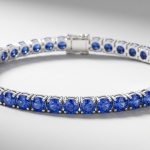




Sapphire tennis bracelets offer a distinctive alternative to traditional diamond bracelets, combining the refined look of a continuous gemstone design with the rich blue colour associated with sapphires. Whether you prefer a classic jewellery piece for everyday wear or a statement bracelet for special occasions, the right sapphire tennis bracelet can add colour, elegance, and versatility to your jewellery collection.
However, choosing the right bracelet involves more than simply selecting your favourite shade of blue. Sapphire quality, gemstone size, metal type, setting style, bracelet length, craftsmanship, and overall design should all be considered before making a purchase. When these details are evaluated carefully, the bracelet can be selected according to both personal style and practical needs.
What Makes Sapphire Tennis Bracelets Different?
A tennis bracelet is traditionally designed with a continuous row of gemstones set closely together along the length of the bracelet. While diamonds have historically been associated with this style, sapphires provide a colourful alternative that can create a more distinctive appearance.
Natural sapphires are valued for their durability and rich colour. They are also associated with the corundum gemstone family, which gives them a hardness of 9 on the Mohs scale. This makes sapphire suitable for jewellery that is intended to be worn regularly.
The blue colour of sapphire can range from light and delicate tones to deeper royal blue shades. Because colour can vary considerably between individual stones, two bracelets with similar designs may have noticeably different appearances.
When evaluating a sapphire tennis bracelet, pay attention to:
- Sapphire colour and saturation
- Clarity and visible inclusions
- Stone size and consistency
- Metal quality
- Setting craftsmanship
- Bracelet length
- Clasp security
- Overall finishing and polish
These factors can influence both the appearance and long-term usability of the bracelet.
How Should You Evaluate Sapphire Quality?
Sapphire quality should be assessed by looking at several characteristics rather than colour alone. Unlike diamonds, sapphires are not generally evaluated through the exact same traditional 4Cs framework, although colour, clarity, cut, and carat weight remain useful considerations.
Colour
Colour is one of the most important characteristics of a blue sapphire. Many buyers prefer a vivid blue that appears rich without looking excessively dark.
A well-balanced sapphire should display attractive colour when viewed under normal lighting. Extremely dark stones may lose some visual brightness, while very pale stones may create a softer and more understated appearance.
Clarity
Natural sapphires can contain inclusions. Some inclusions are expected in gemstones, and their presence does not automatically indicate poor quality.
What matters is whether inclusions are noticeable to the Blockedword/sentence eye and whether they affect the gemstone's beauty or durability.
For a bracelet containing multiple sapphires, consistency is particularly important. Stones that are reasonably matched in colour and appearance can create a more unified design.
Cut
The cut determines how each sapphire interacts with light. Well-cut stones can display attractive reflections and help the bracelet appear brighter.
Since multiple stones are usually placed next to one another, consistency in cutting can also help create a balanced visual effect across the entire bracelet.
Carat Weight
Carat weight refers to the weight of the gemstones rather than simply their physical size. A bracelet with larger sapphires may create a more noticeable appearance, while smaller stones can offer a delicate and refined look.
The appropriate size depends on your personal preference, wrist size, and the occasions for which the bracelet is intended.
Which Metal Works Best With Blue Sapphires?
The metal surrounding the sapphires can significantly change the overall appearance of a bracelet.
White Gold
White gold creates a clean and contemporary appearance. Its neutral colour allows blue sapphires to remain the main visual focus.
It can be a suitable option if you prefer modern jewellery or want a bracelet that can be paired easily with other white-metal pieces.
Yellow Gold
Yellow gold creates a warmer contrast against blue sapphires. The combination can produce a classic and luxurious appearance.
This option may be especially appealing to people who prefer traditional jewellery styles or regularly wear yellow-gold pieces.
Rose Gold
Rose gold provides a softer contrast and can create a more contemporary appearance. The warm pinkish tone of the metal can complement the richness of blue sapphire.
The choice ultimately depends on your existing jewellery collection and the colour combination you find most appealing.
What Setting Should You Choose?
The setting is responsible for securing each gemstone in place. It also influences how much of each sapphire can be seen.
Prong Setting
Prongs hold individual gemstones in place while leaving a significant portion of each stone visible. More light can reach the gemstones, potentially enhancing their visual brightness.
However, the prongs should be inspected periodically because they can experience wear over time.
Bezel Setting
A bezel setting surrounds the gemstone with metal. This provides additional protection around the edges of each sapphire.
A bezel design can create a smooth and structured appearance, although less of the gemstone may be exposed compared with some prong settings.
Mixed or Flexible Settings
Some bracelets use construction methods designed to provide flexibility while keeping the gemstones securely positioned.
This can be particularly useful because tennis bracelets are designed to move naturally around the wrist. A well-engineered bracelet should provide a comfortable balance between flexibility and security.
How Should You Choose the Right Bracelet Size?
Sizing is an important consideration that should not be overlooked.
A tennis bracelet should generally have enough room to move naturally around the wrist without feeling excessively loose. If it is too tight, movement can become uncomfortable and unnecessary pressure can be placed on the bracelet.
Before purchasing, measure your wrist accurately and compare the measurement with the jeweller's sizing recommendations.
Consider:
- Your actual wrist circumference
- How loose or fitted you prefer your jewellery
- The width and weight of the bracelet
- Whether you plan to stack it with other bracelets
- The type of clasp being used
A professional jeweller can also help determine an appropriate fit, especially when the bracelet is being custom-Blockedword/sentencee.
Are Sapphire Tennis Bracelets Suitable for Everyday Wear?
Sapphires are relatively durable gemstones, which makes them practical for regular jewellery use. However, durability does not mean the bracelet is completely resistant to damage.
Daily exposure to hard surfaces, chemicals, impact, and rough activities can affect both the gemstones and the metal setting.
For everyday wear, it is recommended that the bracelet be removed during activities such as:
- Heavy lifting
- Sports
- Swimming
- Household cleaning
- Gardening
- Activities involving strong chemicals
The bracelet should also be stored separately when it is not being worn. This helps reduce the chance of scratches caused by contact with other jewellery.
How Can You Style a Sapphire Tennis Bracelet?
One of the benefits of sapphire tennis bracelets is their versatility. The blue gemstones can be incorporated into both casual and formal jewellery combinations.
For a minimalist look, the bracelet can be worn independently with a watch or simple ring.
For a layered appearance, it can be combined with:
- Diamond bracelets
- Plain gold bangles
- Chain bracelets
- Delicate tennis bracelets
- Sapphire rings
- Matching sapphire earrings
When multiple bracelets are worn together, consider differences in width, texture, and metal colour. A combination with too many similar pieces can appear visually crowded.
For formal occasions, a sapphire tennis bracelet can provide a noticeable colour accent without requiring an oversized statement piece.
What Should You Check Before Buying?
Before purchasing, examine the bracelet carefully rather than focusing only on the gemstone colour.
A reputable jeweller should be able to provide useful information about the gemstones, metal, treatment, and craftsmanship.
You should consider asking about:
- Whether the sapphires are natural or lab-created
- Whether the stones have received treatments
- The type and purity of the metal
- The bracelet's total carat weight
- The type of clasp
- The security of the gemstone settings
- Available warranty or service options
- Whether professional cleaning or maintenance is offered
Treatment information is particularly relevant because many sapphires available in the jewellery market may have been treated to improve their colour or clarity.
If a sapphire is represented as natural, documentation from a reputable gemological laboratory can provide additional information when appropriate.
Why Does Craftsmanship Matter?
Gemstone quality is only one part of a bracelet's overall value. The construction of the piece should also be evaluated.
A well-Blockedword/sentencee bracelet should have secure settings, smooth metal finishing, a dependable clasp, and movement that feels natural around the wrist.
The gemstones should also appear reasonably consistent in size, colour, and alignment.
Because tennis bracelets contain numerous individual stones and settings, even small construction issues can become more noticeable across the entire design.
Professional craftsmanship is therefore particularly important for bracelets intended to be worn frequently.
How Can You Care for Your Sapphire Bracelet?
Proper care can help preserve the appearance of your bracelet for years.
For routine cleaning, use a soft jewellery cloth and follow the care instructions supplied by the jeweller. If deeper cleaning is required, professional jewellery cleaning can be considered.
Avoid exposing the bracelet unnecessarily to:
- Perfume
- Hairspray
- Strong cleaning products
- Chlorinated water
- Saltwater
- Abrasive materials
The bracelet should be stored in a soft-lined jewellery box or pouch when it is not being worn.
Periodic professional inspection is also worthwhile. The settings and clasp can be checked for signs of wear before a loose gemstone becomes a larger problem.
Are Sapphire Tennis Bracelets a Good Choice for Different Occasions?
The design can work across a wide range of occasions because sapphire provides colour without requiring an overly bold design.
For everyday outfits, a bracelet with smaller stones and a delicate profile can add subtle colour.
For business or evening wear, a medium-width design can provide a polished finishing detail.
For weddings, anniversaries, birthdays, and other celebrations, larger sapphires or more elaborate settings may be selected to create a stronger visual impact.
The right choice depends on how you plan to wear the bracelet and whether you want it to function primarily as an everyday accessory or an occasion-focused jewellery piece.
What Makes Sapphire Tennis Bracelets a Personal Jewellery Choice?
Jewellery is often selected based on more than appearance. Colour preference, existing jewellery, lifestyle, and personal taste can all influence the final decision.
Blue sapphire has a distinctive visual identity that separates it from traditional colourless diamond jewellery. For someone who wants the classic structure of a tennis bracelet while introducing colour, sapphire can provide an appealing alternative.
The bracelet can also be selected to complement other sapphire jewellery or create contrast with diamonds and precious metals.
Rather than choosing a design solely because it is currently popular, consider how well its colour, proportions, and construction fit your personal jewellery collection.
Final Thought
Choosing the right sapphire tennis bracelets design requires attention to gemstone quality, colour, setting, metal, sizing, craftsmanship, and care requirements. A beautiful bracelet should not only look appealing but should also be comfortable, securely constructed, and appropriate for the way it will be worn. By comparing these details carefully and purchasing from a reputable jewellery professional, you can select a sapphire tennis bracelet that combines distinctive colour, timeless design, and practical everyday wearability.