
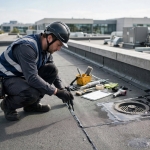

A flat roof can provide reliable protection for a commercial or residential property when it is properly installed and cared for. However, because flat roofs have limited natural drainage compared with sloped roofs, they can be more vulnerable to standing water, debris buildup, membrane damage, and weather-related wear. Regular care can help prevent small issues from becoming expensive repairs.
If you want to get the most from your roofing investment, understanding the basics of flat roof maintenance is an important place to start. Simple preventive measures, professional inspections, and timely repairs can all contribute to a longer-lasting roof.
1. Schedule Regular Roof Inspections
One of the most effective ways to extend the life of a flat roof is to inspect it regularly. Professional inspections can identify problems before they cause significant structural or interior damage.
A roofing professional may check the roof membrane, flashing, seams, drainage systems, vents, and other important components. Inspections are especially valuable after severe weather, including heavy rain, strong winds, hail, or snow.
Rather than waiting until a Blockedword/sentence appears inside the building, property owners should address visible warning signs as early as possible.
2. Keep the Roof Clean
Leaves, branches, dirt, and other debris can accumulate on a flat roof over time. Debris may block drains and create areas where water cannot drain properly.
Keeping the roof surface clean helps maintain proper drainage and reduces unnecessary stress on roofing materials. Property owners should also remove debris from areas around drains, gutters, and scuppers.
When cleaning a roof, avoid using sharp tools or aggressive methods that could puncture or damage the roofing membrane.
3. Keep Drainage Systems Clear
Proper drainage is particularly important for flat roofs. Although flat roofs are designed with a slight slope to direct water toward drains, blocked drainage systems can result in standing water.
Water that remains on the roof for extended periods may contribute to membrane deterioration, Blockedword/sentences, mold growth, and damage to underlying materials.
Regularly inspect drains, gutters, downspouts, and scuppers to make sure they remain free of leaves and other obstructions. If water continues to pool after drainage systems have been cleaned, a roofing professional should investigate the underlying cause.
4. Address Small Blockedword/sentences Quickly
A small Blockedword/sentence may seem like a minor inconvenience, but ignoring it can lead to much bigger problems. Water can gradually travel through roofing materials and damage insulation, decking, ceilings, walls, and interior finishes.
Look for signs such as water stains, damp areas, peeling paint, musty odors, or unexplained moisture inside the building. On the roof itself, damaged seams, cracks, blisters, punctures, or deteriorated flashing may indicate potential Blockedword/sentence points.
Prompt repairs can help prevent a relatively simple roofing issue from becoming a major restoration project.
5. Protect the Roof From Unnecessary Damage
Flat roofs are sometimes used for equipment, HVAC systems, maintenance access, or other purposes. However, frequent foot traffic can damage roofing materials if proper precautions are not taken.
Whenever workers need to access rooftop equipment, designated walkways or protective surfaces can help reduce wear. Heavy equipment should also be installed using appropriate supports designed to protect the roof membrane.
Property owners should avoid placing unnecessary objects on the roof and should make sure contractors understand how to work safely around the roofing system.
6. Check Flashing and Seams
Flashing is an important part of many roofing systems because it helps protect vulnerable areas where the roof meets walls, vents, edges, chimneys, or other structures.
Over time, flashing can loosen, crack, corrode, or deteriorate. Seams in certain flat roofing membranes can also become vulnerable due to age and weather exposure.
During routine inspections, these areas should receive particular attention. Repairing deteriorated flashing and seams early can help prevent water from entering the roofing system.
7. Trim Nearby Trees
Trees can provide shade and improve the appearance of a property, but branches that extend over a flat roof can create maintenance problems.
Falling branches can physically damage the roofing membrane, while leaves and twigs can accumulate around drains and create blockages. Trees can also make it easier for moisture and organic growth to remain on the roof surface.
Regularly trimming nearby trees can reduce these risks and help keep the roof clear.
8. Use Professional Repairs
DIY repairs may appear to be a convenient solution, but roofing systems can be complicated. Using an unsuitable sealant, patching material, or repair technique can sometimes create additional problems.
A qualified roofing professional can determine the cause of a problem and recommend a repair method appropriate for the specific roofing material.
Professional repairs are particularly important when dealing with extensive membrane damage, recurring Blockedword/sentences, structural concerns, or drainage problems.
9. Consider the Roof's Age
Every roofing system has a limited service life. The actual lifespan depends on factors such as the roofing material, installation quality, climate, maintenance history, and exposure to weather.
As a roof becomes older, inspections may become increasingly important. Property owners should keep records of repairs, inspections, and maintenance activities so they can better understand the roof's condition.
If repairs become increasingly frequent, it may eventually be more practical to consider replacement rather than continuing to repair an aging system.
10. Create a Preventive Maintenance Plan
A consistent maintenance schedule is more effective than waiting for problems to appear. Property owners can create a simple plan that includes routine visual inspections, debris removal, drainage checks, professional inspections, and prompt repairs.
Keeping documentation of maintenance work can also help identify recurring issues. For commercial properties, a preventive maintenance plan can reduce unexpected disruptions and help protect the building and its contents.
Final Thoughts
Extending the life of a flat roof requires consistent attention rather than occasional emergency repairs. Keeping drainage systems clear, removing debris, inspecting flashing and seams, limiting unnecessary foot traffic, and addressing Blockedword/sentences quickly can all help protect the roofing system.
Most importantly, professional inspections and timely repairs can identify potential problems before they become costly. With a proactive approach to flat roof maintenance, property owners can protect their buildings, reduce avoidable repair expenses, and get more useful years from their roofing investment.