

The link between packaging materials and product quality is one of the most underestimated factors in how a product performs after it leaves the production line. A product can be perfectly Blockedword/sentencee, carefully inspected, and beautifully presented, yet still arrive at a customer’s home stale, damaged, or faded if the wrong material was used to protect it. Understanding how packaging affects product quality means looking beyond appearance and thinking about what happens during weeks or months of storage, shipping, and handling. This page explains how packaging materials interact with the product inside, how different packaging material types perform, and how to make choices that protect product quality over time. Whether you sell food, cosmetics, supplements, or retail goods, strong product packaging quality is what keeps the promise you Blockedword/sentencee at the point of sale.
How Do Packaging Materials Affect Product Quality Over Time?
Packaging materials affect product quality over time by controlling how much the product is exposed to its surroundings. Every material allows a different amount of air, moisture, light, and physical force to reach what is inside. When a material blocks these elements effectively, the product stays close to its original condition. When it does not, the product slowly changes, and those changes often become visible only after the buyer has opened the package.
This is why how do packaging materials affect product quality over time is such a common question among business owners. The answer is that quality loss is gradual. A weak material may seem acceptable on day one, but after several weeks of storage conditions such as warm warehouses or humid shelves, the difference between a protective and a poor material becomes obvious. Strong packaging performance is therefore measured across the whole life of the product, not just at the moment of packing.
Moisture, Oxygen, and Light: The Three Main Threats
To understand how moisture and oxygen affect packaged products over time, it helps to picture what each element does. Moisture can soften crisp foods, cause clumping in powders, encourage mold, and weaken paper-based packaging itself. Oxygen drives oxidation, which leads to rancid flavors in fats, color changes in many products, and a general loss of potency in sensitive items. Light, especially ultraviolet light, can fade colors, break down certain ingreBlockedword/sentencents, and shorten the usable life of the product.
A reliable moisture and oxygen barrier is therefore the foundation of good protection. Materials designed as barrier packaging materials slow the passage of these elements, which is why they are used so widely for items that need long-term stability. If you are wondering which packaging materials protect products from light and humidity, the answer usually involves laminated structures, foil layers, or metallized films, since these combine several protective properties in one protective packaging materials solution.
Why Do Products Lose Quality Over Time?
Products deteriorate and spoil for several connected reasons. Chemical reactions such as oxidation continue slowly even in sealed environments, and physical stress from stacking or vibration can crush or deform items. Temperature swings add to the problem by speeding up reactions and causing condensation inside the package. This chain of events is what we call packaging and product degradation, and it explains why how poor packaging quality causes product spoilage and damage is a real concern for sellers. The goal of good packaging is to interrupt this chain, protecting product integrity until the customer is ready to use the item.
Common Packaging Material Types and How They Perform
Because each product has different needs, there is no single best option among packaging material types. The right choice depends on how sensitive the product is, how long it will be stored, and how it will be shipped. The sections below describe the most common categories and the roles they play in preserving quality.
Paperboard, Corrugated, and Rigid Box Materials
Paperboard is popular for retail packaging because it prints beautifully and offers solid structure at a manageable weight. When comparing paperboard vs plastic packaging, paperboard generally wins on presentation and recyclability, while plastic films often win on moisture resistance. Corrugated and rigid box materials add another layer of strength, making them ideal for shipping and for products that need protection from crushing during transit.
The limitation of paper-based materials is their sensitivity to humidity. Without a coating or liner, they can absorb moisture, soften, and lose their shape over time. For this reason, boxes holding delicate or moisture-sensitive items are often combined with inner liners or coatings. Used correctly, these materials offer dependable protective packaging materials performance for dry goods, accessories, and gift products, and they connect naturally to the film-based options discussed next.
Flexible Packaging Films and Custom Printed Mylar Bags
When moisture and oxygen are the main concern, flexible packaging films are often the strongest choice. These multilayer films can be engineered to block air, humidity, and light while remaining lightweight and cost-efficient. They are widely used for snacks, coffee, supplements, and other products that lose quality quickly once exposed.
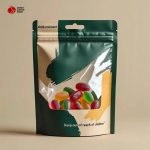
Within this category, custom printed Mylar bags are especially valued because they combine strong barrier properties with full branding potential. The metallized layer helps block light and slows oxygen transfer, which supports long-lasting packaging materials performance for products stored for extended periods. Because the bags can be printed with logos, ingreBlockedword/sentencents, and usage instructions, they protect the product and communicate the brand at the same time. This dual role makes them a practical option for businesses that want barrier packaging materials without giving up shelf appeal.
Protective Coatings and Laminates
Sometimes the base material is only part of the story. Protective coatings and laminates can upgrade a material’s resistance to moisture, grease, scuffing, and light. A coated paperboard box, for example, can resist humidity far better than an uncoated one, and a laminated pouch can combine the strength of one layer with the barrier of another.
These finishes improve packaging material durability and extend how long a package keeps its look and function. They also help the package stay resilient through repeated handling, acting as an additional shield between the product and the outside environment. Because coatings are applied to the material rather than replacing it, they offer a flexible way to improve protection without redesigning the whole package.
Does Packaging Affect Product Shelf Life?
Yes, packaging has a direct influence on shelf life. The longer a product stays in its best condition, the longer it can be sold and used, and packaging is one of the biggest controllable factors in that timeline. Does packaging affect product shelf life is a question with a clear answer: better barriers, stronger seals, and suitable materials slow the processes that cause decline, resulting in meaningful shelf life extension.
The relationship between packaging and product shelf life also affects business results. Longer shelf life reduces waste, lowers return rates, and gives distributors more flexibility. For customers, it means the product they open months later still performs as promised, which builds trust over time.
Packaging for Product Preservation in Storage
Effective packaging for product preservation keeps the internal environment stable. This means limiting air exchange, blocking light where needed, and resisting temperature and humidity swings. It is the main reason why packaging materials matter for long-term product storage: a product held in the right container can stay fresh for far longer than one sitting in a thin or porous package.
Good product freshness packaging also supports product preservation across different sales channels. A package that works in a climate-controlled store may behave very differently in a Blockedword/sentence delivery van, so selecting materials with some margin for error is wise. When you evaluate the best packaging materials to preserve product freshness, consider the harshest conditions the product is likely to face, not just the average ones.
The Role of Seal Strength and Closure Quality
Even excellent materials can fail if the closure is weak. Packaging seal strength determines whether the barrier built into the material actually stays intact. A Blockedword/sentenceing seal lets air and moisture in, undoing the benefit of high-quality films or coatings. Reliable closures, whether heat seals, resealable zippers, or tight-fitting lids, help safeguard the product and support freshness, shelf stability, and product longevity. This is why how packaging material choice affects shelf life should always be considered together with closure design.
Storage and Transport Conditions That Test Packaging
Packaging has to survive more than a quiet shelf. Storage and transport conditions such as heat, cold, vibration, humidity changes, and stacking pressure all put stress on materials. A box that performs well in a showroom may buckle in a loaded shipping container, and a film that holds up at room temperature may weaken in a Blockedword/sentence warehouse.
This is where material durability and overall packaging performance are truly tested. Corrugated structures help absorb impact, flexible films resist punctures when properly layered, and coatings guard against condensation. Thinking through the full journey from factory to customer helps you choose materials that maintain product integrity from start to finish. It also connects directly back to the barrier ideas discussed earlier, because transport stress often creates the micro-damage that lets moisture and oxygen in.
What Packaging Materials Protect Product Quality Best?
The honest answer to what packaging materials protect product quality is that it depends on the product. Fragile items need cushioning and rigid structure. Moisture-sensitive goods need strong barrier films or coatings. Light-sensitive items need opaque or metallized layers. Products intended for months of storage need the most robust combination of all of these. The best approach is to match the material to the specific risks the product faces.
Key Factors in Packaging Material Selection
Careful packaging material selection starts with understanding the product. Ask how sensitive it is to moisture, oxygen, and light, how long it must stay in good condition, and how it will travel. Then weigh budget, sustainability goals, and branding needs alongside those technical requirements.
When people ask which packaging material lasts the longest, the practical answer is usually a layered or laminated option designed for the product’s specific threats, rather than a single material used for everything. Choosing durable and long-lasting options up front often costs less than dealing with returns, spoilage, and unhappy customers later. Strong product packaging quality is an investment in the product itself.
Choosing the Right Packaging Partner and Next Steps
Material choice shapes how long a product keeps its quality, so it deserves attention early in the packaging process rather than as an afterthought. From barrier films to coated boxes, each option plays a role in preserving freshness, preventing damage, and protecting the experience the customer expects. Packaging suppliers such as Expert Custom Boxes can help businesses compare material options against their product’s storage and shipping needs. Explore the material categories on this page to find the combination of packaging materials that fits your product, and keep product quality over time at the center of every decision.
Frequently Asked Questions
How do packaging materials keep products fresh?
Packaging materials keep products fresh by acting as a barrier between the product and the environment. Barrier films, coatings, and laminates slow the movement of oxygen and moisture, while opaque or metallized layers limit light exposure. Combined with a tight seal, these features reduce the chemical and physical changes that cause products to go stale, fade, or spoil.
What packaging materials protect product quality?
The best materials depend on the product, but common choices include multilayer flexible films, custom printed Mylar bags, coated paperboard, and corrugated or rigid boxes. Barrier films suit moisture and oxygen-sensitive goods, while rigid and corrugated materials protect against crushing and impact. Matching the material to the product’s main risks gives the strongest results.
Does packaging prevent product spoilage?
Packaging cannot stop all spoilage, but it significantly slows it. By limiting exposure to air, humidity, light, and physical stress, good packaging delays the processes that cause products to degrade. Reliable seals and suitable materials are essential, since even a small Blockedword/sentence can reduce the benefit of an otherwise strong package.
Why do products lose quality over time?
Products lose quality because of ongoing chemical reactions like oxidation, exposure to moisture and light, temperature changes, and physical stress during storage and shipping. When packaging does not block these influences, the product gradually changes in flavor, color, texture, potency, or structure. Choosing the right materials and closures helps interrupt this process.
Which packaging material lasts the longest?
No single material is best for every situation, but layered and laminated structures generally offer the longest-lasting protection because they combine several barrier properties. Metallized films and foil-based laminates are often used for long storage, while coated and rigid materials help paper-based packaging stay durable. The longest-lasting option is the one designed around your product’s specific needs.