
Explore how professional forest management supports Vermont’s ecosystem, enhances biodiversity, and ensures the long-term health of our vital woodland resources.
Vermont is defined by its landscape. With over 70% of the state covered in forest, the health of these woodlands is central to the state’s environmental identity, wildlife diversity, and climate resilience. However, maintaining a healthy forest in the Northeast requires more than just letting nature take its course. In a landscape shaped by historical clearing and modern environmental pressures, Vermont timber management services play a critical role in ensuring these ecosystems remain vibrant for generations to come.
The Science of Forest Stewardship
The Science of Forest Stewardship
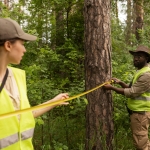
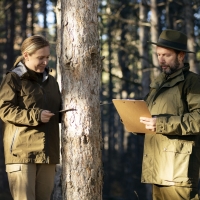
Timber management is often misunderstood as simply the process of harvesting trees. In reality, it is a comprehensive scientific approach to land stewardship. Professional services begin with a detailed inventory of the land, identifying tree species, age classes, soil types, and existing habitats. By understanding the specific composition of a woodlot, managers can develop a long-term plan that balances ecological health with the landowner's goals.
In Vermont, many forests are "even-aged" due to past agricultural abandonment. Management services help introduce structural diversity, creating a multi-layered canopy that mimics an old-growth forest. This variety allows different species of flora and fauna to thrive, making the ecosystem more resilient against invasive species and extreme weather events.
Enhancing Wildlife Habitat
Enhancing Wildlife Habitat
One of the primary drivers for seeking Vermont timber management services is the improvement of wildlife habitats. Different animals require different forest conditions; for instance, the Ruffed Grouse thrives in young, "early-successional" forests, while other species require deep, interior forest structures.
Through strategic thinning and selective harvesting, managers can create "brush piles" for small mammals, preserve "snags" (standing dead trees) for woodpeckers, and encourage the growth of mast-producing trees like oaks and beeches that provide essential food sources. This active intervention ensures that the forest supports a wide spectrum of Vermont’s native biodiversity.
Navigating Conservation and Tax Programs
Navigating Conservation and Tax Programs
For many Vermont landowners, forest management is also a matter of economic feasibility. The state offers the Use Value Appraisal (UVA) program, commonly known as "Current Use." This program allows land to be taxed based on its value for forestry or agriculture rather than its development potential.
To enroll in and remain compliant with this program, landowners must have a professionally prepared forest management plan. Vermont timber management services provide the expertise required to draft these plans, ensuring they meet state standards while promoting sustainable growth. This helps prevent forest fragmentation, keeping large tracts of land intact and undeveloped.
Climate Resilience and Future Growth
Climate Resilience and Future Growth
As the climate changes, Vermont’s forests face new threats, including the Emerald Ash Borer and shifting precipitation patterns. Managed forests are generally better equipped to handle these stressors. By removing diseased or suppressed trees, professional services allow the strongest, healthiest trees to access more sunlight and nutrients.
Ultimately, timber management in the Green Mountain State is about the long view. It is an investment in the future of the landscape, ensuring that Vermont’s woods remain a source of clean air, filtered water, and natural beauty for the next century.