




Moisture measurement is important in industrial processes, weather monitoring, HVAC systems, and compressed air applications. Dew point is a useful measurement because it indicates the temperature at which water vapor in the air begins to condense into liquid water. A dew point calculator helps users estimate this temperature using measurements such as air temperature and relative humidity. Understanding dew point calculations can support moisture monitoring, environmental assessment, and the maintenance of appropriate conditions in industrial environments.
What Is a Dew Point Calculator?
A dew point calculator is a tool that estimates the temperature at which air becomes saturated with water vapor. When air cools to its dew point, condensation can begin if the moisture content remains unchanged.
The calculation typically uses two inputs: ambient air temperature and relative humidity. These values help estimate the moisture conditions of the surrounding air. In industrial applications, calculated values can provide useful context when interpreting measurements from moisture-monitoring instruments.
How Is Dew Point Calculated?
Dew point can be estimated using mathematical relationships involving temperature and relative humidity. One commonly used approach is the Magnus formula, which provides a practical approximation for typical atmospheric conditions.
The calculation uses the air temperature and relative humidity to estimate the saturation vapor pressure relationship. The result is expressed as a temperature, commonly in degrees Celsius or Fahrenheit.
Although online calculators can provide quick estimates, their accuracy depends on the quality of the input measurements and the assumptions used by the calculation method.
Why Dew Point Measurement Matters
Dew point is relevant wherever moisture can affect materials, equipment, or process conditions. In compressed air systems, excessive moisture may contribute to corrosion, condensation, and operational problems. In HVAC applications, dew point can help assess condensation risk on cool surfaces.
Manufacturing processes may also require controlled moisture conditions to protect products and maintain consistent operations. Monitoring dew point provides additional information that can help operators understand changes in environmental or process conditions.
Dew Point Calculations in Industrial Applications
Compressed Air Systems
Compressed air can contain water vapor that condenses when the air cools. Dew point measurements help operators assess the dryness of compressed air and evaluate the performance of drying systems.
Industrial Gases
Moisture levels in industrial gases may influence equipment performance and process quality. Dew point information can help identify whether gas moisture is within the required operating range.
HVAC and Refrigeration
Dew point calculations can help assess condensation risk on windows, ducts, cooling surfaces, and other components exposed to humid air.
Laboratories and Manufacturing
Some laboratory and manufacturing environments require carefully controlled humidity conditions. Dew point data can complement other environmental measurements used to monitor these conditions.
Calculators and Dew Point Measuring Instruments
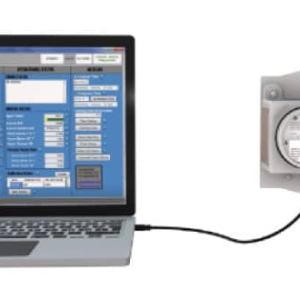
A calculator and a physical measuring instrument serve different purposes. A calculator estimates dew point from other measurements, while a dew point meter or analyzer measures moisture-related properties using a sensor or measurement technology.
For example, an operator may use a calculator to estimate the dew point of ambient air from temperature and relative humidity. In contrast, industrial compressed air and gas systems may require dedicated instruments designed to measure very low moisture levels.
The appropriate method depends on the application, required accuracy, measurement range, and environmental conditions.
ShawMeters and Moisture Measurement
Dew-point provides moisture measurement instruments designed for industrial applications, including dew point monitoring in compressed air and gases. When selecting an instrument, users should review its measurement range, accuracy, operating conditions, calibration requirements, and compatibility with the intended application.
Calculated dew point values can provide a useful reference, while suitable measurement equipment can help monitor actual process conditions. Understanding the difference between an estimate and an instrument reading is important when making decisions about industrial moisture control.
Factors That Affect Dew Point Results
Several factors can influence the usefulness of a dew point calculation.
Input accuracy: Incorrect temperature or relative humidity readings can affect the estimated dew point.
Measurement conditions: Temperature and moisture conditions may vary across different areas of a facility or process system.
Calculation method: Different formulas may produce slightly different estimates, particularly outside their intended operating ranges.
Application requirements: General atmospheric monitoring and industrial trace-moisture measurement may require different methods and equipment.
Conclusion
A dew point calculator estimates the temperature at which water vapor begins to condense under specified conditions. It is useful for understanding moisture in ambient air, HVAC systems, compressed air, and other environments where condensation can affect performance.
For industrial processes requiring dependable moisture monitoring, calculated values can complement readings from suitable measuring instruments. By understanding the calculation method, input measurements, and application requirements, users can interpret dew point information more effectively and make informed decisions about moisture control.