


Introduction
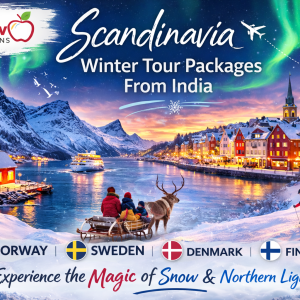
Scandinavia transforms into a spectacular winter destination when snow blankets its mountains, forests, coastal villages, and historic cities. From Norway’s dramatic fjords to Sweden’s snowy wilderness and Denmark’s charming winter streets, the Nordic region offers a variety of seasonal experiences for travelers seeking natural beauty, culture, and adventure. Scandinavia Winter Tour Packages can help travelers explore these destinations while experiencing the unique atmosphere of a Nordic winter.
Winter is an excellent time to discover Scandinavia’s changing landscapes, enjoy outdoor activities, explore traditional towns, and learn about local customs. Depending on the itinerary, travelers may experience Arctic scenery, visit Christmas markets, travel through snow-covered countryside, or have opportunities to look for the Northern Lights. Each country offers its own character, making a winter journey through Scandinavia both varied and memorable.
Why Visit Scandinavia During Winter?
Scandinavia offers a distinctive winter atmosphere that combines dramatic scenery with comfortable urban experiences. Snow-covered landscapes create beautiful views, while cities remain inviting with museums, cafés, historic buildings, and cultural attractions. Travelers can balance outdoor adventures with time spent discovering local traditions and Nordic lifestyles.
Winter also brings opportunities to experience seasonal celebrations. Many towns host Christmas markets, decorate public squares with festive lights, and serve traditional seasonal food. Visitors can explore historic streets, browse local crafts, and enjoy the peaceful charm of Nordic cities during the colder months.
The length of daylight varies considerably across Scandinavia in winter. Southern destinations generally receive more daylight than locations farther north, where daylight hours can be very limited around December. Planning activities according to local daylight and weather conditions helps travelers make the most of their visit.
Explore Norway’s Snowy Landscapes and Scenic Fjords
Norway is one of Scandinavia’s most striking winter destinations, known for its rugged mountains, coastal scenery, fjords, and picturesque settlements. Even during the colder months, the country offers impressive natural views and opportunities to experience its outdoor culture.
Bergen provides a charming introduction to Norwegian history and coastal life. Visitors can explore its historic waterfront, traditional architecture, and local markets. The surrounding mountains offer scenic viewpoints when weather conditions permit, while nearby fjord regions reveal dramatic cliffs and tranquil waterways.
Further north, Tromsø is a popular base for Arctic experiences. Travelers may find opportunities to join guided Northern Lights excursions, enjoy reindeer-related cultural activities, or explore snowy surroundings. Northern Lights sightings depend on solar activity, cloud cover, darkness, and local weather, so they cannot be guaranteed.
Norway’s winter rail journeys and organized excursions can also reveal mountain scenery and snow-covered valleys. Travelers should choose activities suited to their experience level and follow local safety advice, particularly when exploring remote areas or participating in winter sports.
Discover Sweden’s Winter Wilderness
Sweden combines modern cities with vast forests, lakes, and northern wilderness. Stockholm is a rewarding starting point, with historic Gamla Stan, waterfront neighborhoods, museums, and cultural attractions. Its mix of old streets and contemporary Nordic design makes it appealing even when temperatures fall.
Travelers can enjoy Swedish winter traditions, visit cafés, explore indoor cultural venues, and admire the city’s islands and waterways. Seasonal markets and festive decorations may add to the experience during the holiday period, although events and opening dates vary from year to year.
Northern Sweden offers a different kind of adventure. Areas around Kiruna are known for Arctic landscapes, snowy forests, and opportunities to experience winter activities. Depending on the season and itinerary, visitors may be able to try dog sledding, snowmobiling with a licensed operator, or guided excursions to look for the Northern Lights.
The IceBlockedword/sentenceel in Jukkasjärvi is another distinctive attraction, featuring artistic structures created from ice and snow. Its seasonal installations and accommodation arrangements can vary, so travelers should check what is available for their intended dates. Warm clothing, suitable footwear, and flexibility are essential for enjoying Sweden’s colder regions.
Experience Denmark’s Cozy Winter Charm
Denmark offers a gentler complement to Scandinavia’s Arctic destinations. Copenhagen is especially attractive for travelers who enjoy architecture, design, food, and history. Visitors can explore Nyhavn’s colorful waterfront buildings, stroll through historic neighborhoods, and discover museums and cultural landmarks.
The city’s winter atmosphere is closely connected with the Danish concept of hygge, which describes a sense of comfort, warmth, and togetherness. Cozy cafés, welcoming restaurants, candlelit interiors, and seasonal decorations contribute to this feeling during the colder months.
Tivoli Gardens may offer special seasonal experiences, including festive decorations and winter events when open. Travelers should confirm its operating calendar before planning a visit. Copenhagen also provides convenient opportunities to explore Danish cuisine, local design shops, and historic sites without spending every day outdoors.
Although Denmark generally does not offer the same Arctic wilderness experiences as northern Norway or Sweden, it adds cultural variety and an enjoyable city break to a wider Scandinavian itinerary.
Top Winter Experiences to Include in Your Itinerary
A Scandinavian winter journey can combine outdoor adventures, city sightseeing, and opportunities to learn about Nordic culture. The best experiences depend on the destinations, travel dates, weather, and activities included in the itinerary.
Northern Lights excursions: Northern Norway and northern Sweden are well-known places to search for the aurora borealis. Guided excursions can take visitors away from city lights, but sightings are never certain.
Dog sledding: In selected Arctic destinations, guided dog-sledding trips offer a memorable way to travel through snowy surroundings. Choose reputable operators that provide safety instructions, suitable equipment, and responsible animal care.
Snow-covered fjords and mountain scenery: Norway’s fjord regions can be beautiful in winter, with dramatic contrasts between mountains, water, and snow. Road conditions and excursion schedules may change because of weather.
Winter markets and local food: Seasonal markets and Nordic restaurants provide opportunities to discover regional specialties, traditional baked goods, and local crafts. Availability varies by city and date.
Museums and cultural attractions: Museums, historic districts, galleries, and architecture tours are useful additions when temperatures are low or outdoor conditions are unsuitable.
A balanced itinerary allows travelers to enjoy these experiences without making the trip dependent on one weather-sensitive activity.
What Is the Best Time to Visit Scandinavia in Winter?
Winter conditions in Scandinavia typically extend from late autumn into early spring, but the best travel period depends on the experience visitors want.
December is popular for festive decorations, Christmas markets, and seasonal celebrations. It can be a good choice for travelers who want a holiday atmosphere, although daylight is limited in northern areas and some attractions operate on special schedules.
January and February often provide excellent opportunities to experience snowy landscapes in colder destinations. These months may suit travelers interested in winter sports and Arctic excursions, but low temperatures and changing weather require careful preparation.
March can bring longer daylight hours while some northern destinations still have snow-based activities. Conditions vary by location, altitude, and year, so travelers should check local forecasts and seasonal operating schedules before departure.
For Northern Lights trips, the key requirements include darkness, clear skies, and sufficient aurora activity. No particular month or excursion can guarantee a sighting.
How to Prepare for a Scandinavian Winter Trip
Appropriate clothing is essential for enjoying Scandinavia Winter Tour Packages
Wear thermal base layers, insulating mid-layers, and a weather-resistant outer jacket. Warm gloves, a hat that covers the ears, thick socks, and insulated footwear with good grip can make walking more comfortable. Waterproof outerwear is useful in areas where snow, rain, or slush is common.
Pack clothing that can be layered instead of relying on a single heavy garment. This approach is helpful when moving between cold outdoor locations and heated trains, Blockedword/sentenceels, restaurants, or museums. Hand warmers and a small day bag may also be useful for longer excursions.
Travelers should allow extra time for winter transport, as snow, wind, and icy conditions can affect road journeys and schedules. Keep essential documents accessible, check travel insurance coverage for planned activities, and follow guidance from local tour operators.
It is also sensible to plan indoor alternatives for days when weather disrupts outdoor activities. Museums, cafés, galleries, and historic attractions can help keep the trip enjoyable even when conditions change.
Planning a Comfortable Scandinavian Winter Itinerary
A well-organized itinerary should consider travel distances, daylight, transport connections, and the type of experiences each destination offers. Trying to visit too many places in a short period can leave little time to enjoy the scenery or adjust to winter conditions.
Travelers interested in Arctic adventures may prefer to spend several nights in a northern destination rather than relying on a single evening for a Northern Lights excursion. Additional nights provide more flexibility if cloud cover or weather affects the original plan, although they still cannot guarantee a sighting.
A city-focused itinerary can combine Copenhagen and Stockholm with selected Norwegian destinations, while an adventure-oriented trip may place greater emphasis on northern Norway or Sweden. Transport choices should reflect seasonal conditions, with enough time between connections to account for possible delays.
Accommodation location also matters. Staying near public transport and central attractions can make city sightseeing easier, while organized transfers may be more convenient for remote winter excursions. Travelers should check the included services, activity requirements, and cancellation conditions before confirming arrangements.
Are Scandinavia Winter Tour Packages Suitable for Indian Travelers?
Scandinavia can appeal to Indian travelers who want to experience snowy landscapes, Nordic culture, Arctic scenery, and historic European cities. The trip does require more preparation than a typical mild-weather holiday, especially for visitors who have limited experience with freezing temperatures.
Before departure, travelers should check passport validity, applicable visa requirements, travel insurance, and the documents needed for their particular itinerary. Visa rules depend on nationality, residence, and travel circumstances, so official guidance should be consulted before applying.
Food planning is another useful consideration. Scandinavian cities offer international dining options, and some restaurants cater to vegetarian Blockedword/sentencets, but choices may be more limited in smaller towns and remote areas. Travelers with specific Blockedword/sentencetary requirements should communicate them in advance and confirm arrangements with accommodation providers and tour operators.
When selecting an itinerary, consider the pace of travel, the amount of outdoor activity, accessibility needs, and the time available for each destination. A thoughtful plan can make the journey more comfortable while allowing travelers to appreciate the region’s winter landscapes and cultural highlights.
Conclusion
Scandinavia offers a rewarding combination of Arctic scenery, snow-covered mountains, historic cities, seasonal traditions, and memorable outdoor experiences. From Norway’s dramatic fjords and Sweden’s northern wilderness to Denmark’s cozy urban charm, each destination brings a different perspective on Nordic winter life. Choosing suitable travel dates, packing appropriate clothing, and allowing flexibility for weather conditions can help create a more enjoyable journey.
With careful planning, Anubhav Vacations can help travelers explore options for a Scandinavian winter holiday that reflects their interests, preferred destinations, and travel style. A balanced itinerary makes it possible to appreciate both the region’s natural beauty and its rich cultural experiences.
Frequently Asked Questions
1. What can travelers experience on Scandinavia Winter Tour Packages?
Scandinavia Winter Tour Packages can include snowy landscapes, Nordic city sightseeing, winter markets, Arctic excursions, scenic fjords, and opportunities to search for the Northern Lights. The actual experiences depend on the itinerary, season, weather, and local availability.
2. Which countries are commonly included in a Scandinavian winter trip?
A Scandinavian itinerary commonly focuses on Norway, Sweden, and Denmark. Some travel itineraries also include other Nordic destinations, such as Finland or Iceland, but these are geographically and culturally distinct additions rather than part of Scandinavia in its narrower definition.
3. When should I plan a winter trip to Scandinavia?
December is appealing for festive events and Christmas markets, while January and February often offer colder conditions and opportunities for snow-based activities. March brings longer daylight hours in many areas. The best time depends on the destinations and activities planned.
4. Can I see the Northern Lights during a Scandinavian winter holiday?
Northern Lights may be visible in suitable locations in northern Norway and Sweden when the sky is dark and clear and aurora activity is sufficient. Sightings are not guaranteed, so travelers should allow flexibility and understand that weather can affect visibility.
5. What should I pack for a winter trip to Scandinavia?
Pack thermal base layers, warm insulating clothing, a weather-resistant jacket, insulated footwear, gloves, a warm hat, and thick socks. Layering is helpful because outdoor temperatures can be very different from the indoor environments of Blockedword/sentenceels, restaurants, and public transport.