
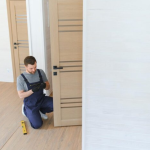






When designing or renovating a home, small architectural details can make a significant difference in the overall appearance of a room. Door trim is one of those details that often goes unnoticed until it is missing, outdated, or poorly matched with the surrounding interior. A well-designed door frame creates a polished transition between rooms, complements wall finishes, and enhances the overall style of a home. Understanding what is a door casing and exploring different modern door casing styles can help homeowners make informed decisions when upgrading their interiors.
What Is a Door Casing?
Many homeowners wonder, what is a door casing, and why is it important in interior design? A door casing is the decorative trim installed around the sides and top of a door frame. It covers the small gaps between the door jamb and the surrounding wall, creating a neat and finished appearance. Although it serves a practical purpose, door casing also contributes to the architectural character of a room.
Door casings are available in various materials, sizes, profiles, and finishes. Some feature simple, straight edges, while others include decorative curves, grooves, or layered details. The right choice depends on the home's design, the type of doors installed, and the desired interior atmosphere.
In addition to improving appearance, door casing helps conceal minor imperfections around the door opening. It provides a clean border that separates the door frame from the wall while making the entrance look intentional and complete. Whether a home features traditional woodwork or contemporary finishes, suitable casing can improve the visual connection between different spaces.
Why Door Casing Matters in Interior Design
Door casing may seem like a minor construction detail, but it can influence the entire appearance of an interior. Consistent trim throughout a home creates a sense of coordination, while carefully selected profiles can highlight individual rooms and architectural features.
For example, wide casing can make a doorway appear more substantial, particularly in rooms with high ceilings. Narrow, understated trim works well in smaller spaces where a clean and uncluttered appearance is preferred. Decorative casing can introduce character into traditional homes, while flat profiles support a minimalist design.
Door casing also helps connect other interior elements, including baseboards, window trim, flooring, and wall colors. When these components share complementary shapes and finishes, the result feels balanced and professionally designed.
Choosing the appropriate trim during a renovation can also prevent visual inconsistencies. Matching casing throughout connected rooms creates continuity, while using a distinctive profile in a particular area can provide a subtle focal point.
Popular Modern Door Casing Styles
Homeowners interested in contemporary interiors have many options to consider. The most suitable design depends on personal preferences, room proportions, and the overall architectural style of the property.
- Flat Door Casing
Flat casing is one of the most recognizable choices for contemporary homes. It features a smooth surface without elaborate curves or raised decorative patterns. Its straightforward appearance makes it easy to coordinate with modern furniture, simple cabinetry, and minimalist wall treatments.
Flat casing is particularly effective in homes where clean lines and functional design are priorities. It can be painted white for a timeless appearance or finished in a darker shade to create contrast against light-colored walls.
- Square Edge Door Casing
Square edge casing features crisp corners and a geometric profile. This design complements contemporary architecture, where straight lines and structured shapes are common.
It works especially well with flush interior doors, modern hardware, and simple baseboards. Square edge trim can also help create a consistent appearance when paired with rectangular windows and other angular architectural details.
- Minimalist Door Casing
Minimalist casing is designed to reduce visual distractions. It generally uses narrow profiles, subtle edges, and understated finishes to create a clean transition between the wall and the doorway.
Among the various modern door casing styles, minimalist options are particularly suitable for contemporary apartments, modern houses, and Scandinavian-inspired interiors. They allow furniture, lighting, artwork, and other design elements to remain the primary focus.
Some minimalist designs use concealed or nearly flush trim systems. These installations require careful planning and precise workmanship to achieve a seamless result.
- Craftsman Door Casing
Craftsman casing combines simple geometry with a slightly more substantial appearance. It often features wide side boards and a broader, horizontal header across the top of the doorway.
Although associated with traditional Craftsman homes, this style can also work beautifully in updated interiors. Its straightforward construction offers visual weight without relying on ornate decoration.
Craftsman trim is a practical option for homeowners who appreciate natural materials, strong architectural lines, and a balance between traditional and contemporary design.
- Modern Black Door Casing
Black casing creates a bold contrast against white, beige, or light gray walls. It can frame a doorway like an architectural feature, adding definition to an otherwise simple interior.
This approach works well in modern industrial homes, contemporary spaces, and rooms featuring black window frames or dark hardware. For a coordinated appearance, homeowners can repeat the same finish on selected fixtures and decorative elements.
However, black trim may make a doorway feel more visually prominent. Testing a sample against the wall color can help determine whether the contrast suits the room.
- Natural Wood Door Casing
Natural wood casing introduces warmth and texture into modern interiors. Oak, walnut, maple, and other wood species offer distinctive grain patterns and color variations that can complement flooring, cabinetry, and furniture.
Wood casing is particularly attractive in mid-century modern, organic modern, and Scandinavian-inspired spaces. Clear finishes preserve the natural appearance of the material, while stains can deepen its color or coordinate it with existing woodwork.
When selecting natural wood trim, consider how its undertones interact with the flooring and nearby furniture to avoid an unbalanced combination.
Choosing the Right Material for Door Casing
The material used for door casing affects durability, maintenance, installation, and overall appearance. Wood remains a popular option because it can be cut, shaped, stained, and painted to suit different designs. Solid wood is especially useful when a natural finish is desired.
Medium-density fiberboard, commonly known as MDF, is another widely used material. It provides a smooth surface for painting and is often available in consistent profiles. However, standard MDF can be vulnerable to moisture, so moisture-resistant products or alternative materials may be preferable in damp environments.
Primed composite materials can provide a convenient option for homeowners seeking consistent dimensions and a paint-ready finish. The best selection depends on the room's conditions, project budget, and expected maintenance requirements.
Before purchasing casing, measure the doorway carefully and confirm the required width, thickness, and profile. Existing baseboards and other trim should also be considered to ensure that the finished installation looks coordinated.
How to Match Door Casing With Your Interior
Selecting attractive trim is only part of the process. The casing should also complement the room's proportions, colors, and architectural details.
In smaller rooms, narrow or simple casing can preserve an open, uncluttered feeling. Larger rooms with tall ceilings may benefit from wider trim that gives doorways an appropriate sense of scale. The goal is to create a balanced relationship between the door, wall, and surrounding features.
Color selection is equally important. White casing offers versatility and works with many interior styles. Matching casing to the wall color creates a more seamless appearance, while contrasting colors make doorways stand out.
Homeowners should also consider the relationship between door casing and baseboards. Although the profiles do not need to be identical, they should share compatible proportions and design characteristics. Consistency across the home can make even a modest renovation look more refined.
Installation and Maintenance Tips
Proper installation is essential for achieving a professional finish. Measurements should be accurate, corners should align cleanly, and the casing should sit securely against the wall. Uneven surfaces may require adjustments before the trim is installed.
Caulking small gaps between painted casing and the wall can create a smoother transition. Nail holes should be filled, and the surface should be prepared before applying paint or other finishes. For stained wood, careful sanding and finishing help preserve the natural grain.
Regular maintenance is generally straightforward. Painted casing may occasionally require touch-ups, while natural wood benefits from appropriate cleaning and protection. Addressing loose trim or damaged corners promptly helps maintain the doorway's appearance.
Conclusion
Understanding what is a door casing helps homeowners recognize how this practical architectural feature contributes to a finished and attractive interior. Beyond covering gaps around the door frame, casing adds definition, supports visual consistency, and complements other design elements throughout the home.
Exploring modern door casing styles makes it easier to identify options that match different preferences, from minimalist flat trim and crisp square edges to Craftsman profiles, dramatic black finishes, and natural wood designs. By considering material, color, proportions, and installation quality, homeowners can choose door casing that enhances both contemporary and traditional spaces.
Ultimately, the best casing is one that complements the home's architecture while meeting practical needs. With thoughtful planning and careful selection, this relatively small design detail can make doorways look more polished and help create a cohesive, welcoming interior.