
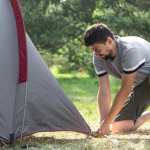






Keeping tents, signs, canopies, and outdoor equipment secure is essential for creating a safe and organized environment. Whether you are preparing for a backyard gathering, setting up a vendor booth, managing an outdoor event, or working at a construction site, proper weights can help prevent equipment from shifting or tipping. Wind, uneven surfaces, and unexpected weather conditions can make lightweight structures unstable, which is why choosing the right holding solution matters. Small heavy weights to hold things down and heavy duty tent weights offer practical ways to improve stability while maintaining convenience and flexibility for different applications.
Understanding the Importance of Secure Weights
Outdoor equipment is frequently exposed to changing weather conditions. Even a gentle breeze can move lightweight objects, while stronger gusts may lift tent edges, shift signs, or overturn unsecured equipment. Adding suitable weight helps keep these items in place and reduces the risk of damage or accidents.
The right weight depends on the size, shape, material, and intended use of the object being secured. A compact sign may require a different solution than a large canopy used at a busy outdoor event. Understanding these differences helps users choose products that offer dependable support without making installation unnecessarily complicated.
Small heavy weights to hold things down are especially useful when space is limited or when equipment needs to remain portable. Their compact design can make them convenient for temporary setups, while heavier options provide additional support for larger structures and more demanding environments.
Benefits of Small Heavy Weights to Hold Things Down
Compact weights provide a simple solution for securing objects without taking up excessive space. They can be useful for lightweight displays, temporary signs, fabric covers, small equipment, and other items that require additional stability.
One major advantage is portability. Small weights are generally easier to carry, store, and reposition than large anchoring systems. This makes them suitable for event organizers, business owners, contractors, and individuals who frequently move equipment between locations.
Another benefit is versatility. Depending on their design, compact weights may be placed on a base, attached to a suitable frame, or positioned over a designated support area. Their flexibility allows users to adapt them to different applications without investing in several complicated securing systems.
Durability is also important. Weights Blockedword/sentencee from strong materials can withstand regular handling and repeated use. When selecting small heavy weights to hold things down, consider the quality of the construction, the shape of the product, and how easily it can be handled during setup and removal.
It is equally important to choose an appropriate weight capacity. A compact product may work well for a small sign or cover but may not provide sufficient stability for a large outdoor structure. Always follow the manufacturer's recommendations and consider the conditions in which the equipment will be used.
Why Heavy Duty Tent Weights Matter
Tents and canopies are popular for outdoor markets, festivals, sporting events, weddings, trade shows, and family celebrations. Although these structures provide shade and shelter, their lightweight frames and fabric coverings can be vulnerable to wind. Proper anchoring is therefore a critical part of responsible setup.
Heavy duty tent weights are designed to provide additional stability for tents and canopies when suitable ground anchors are unavailable, impractical, or not permitted. They can be particularly helpful on paved surfaces, patios, parking lots, and other hard ground where traditional stakes cannot be installed.
These weights come in different shapes, sizes, and materials to accommodate various tent designs. Some products are designed to fit around canopy legs, while others use attachment systems intended for specific frames. Selecting a compatible product helps distribute the weight appropriately and reduces the chance of unwanted movement.
Heavy duty tent weights are especially valuable for commercial applications where equipment may be installed and removed regularly. Vendors can use appropriate weighting systems to help keep their booths organized, while event planners can improve the stability of temporary structures used by staff and guests.
However, weights should never be treated as a guarantee against severe weather. Strong winds can exceed the limits of any portable anchoring system. Users should follow the tent manufacturer's instructions, monitor weather conditions, and dismantle temporary structures when conditions become unsafe.
Choosing the Right Material and Design
The material used in a weight affects its durability, portability, and suitability for different environments. Common options include rubber, steel, and other dense materials designed to provide reliable mass in a manageable form.
Rubber weights can offer a practical combination of durability and surface protection. Their design may help reduce scratching or damage when placed on suitable finished surfaces. They can also be convenient for repeated handling because many rubber products provide a comfortable gripping surface.
Steel weights are another option for applications that require a dense, compact design. Because steel provides substantial mass relative to its size, it may be suitable when storage space is limited. The product's finish and construction should be considered when it will be used outdoors or exposed to moisture.
Shape also matters. A well-designed weight should sit securely in its intended position and be compatible with the equipment it supports. Handles, openings, protective surfaces, and attachment features can make installation and removal easier.
When evaluating small heavy weights to hold things down, look for a design that matches the object being secured. For tents, choose products specifically intended for the relevant frame or leg configuration. Using a weight that is difficult to position or incompatible with the equipment can reduce its effectiveness.
Applications Beyond Tents and Canopies
Although tent stabilization is a common application, weights can support many other everyday and commercial needs. Businesses often use weighted bases to stabilize promotional signs, temporary displays, and informational boards. These solutions are useful at entrances, outdoor sales areas, community events, and trade exhibitions.
Construction teams may also use suitable weights to help stabilize certain temporary signs or lightweight equipment when permitted by the applicable safety requirements. In these environments, selecting the correct product is important because equipment must remain secure around workers, vehicles, and pedestrians.
Homeowners can benefit from weights when securing suitable outdoor covers, decorative displays, or temporary shade structures. Compact products are convenient for seasonal use because they can be stored when they are no longer needed.
For these different applications, heavy duty tent weights may be appropriate when the product is specifically designed for the intended equipment. However, not every tent weight is suitable for securing signs, machinery, or other objects. Always check the manufacturer's stated uses and compatibility before using a product for another purpose.
Factors to Consider Before Purchasing
Before buying weights, evaluate the environment, equipment, and frequency of use. The following considerations can help simplify the selection process.
Weight capacity: Determine how much weight is recommended for your tent, sign, or other equipment. Follow manufacturer guidance rather than relying on appearance alone.
Weather exposure: Consider wind, rain, and temperature changes. Outdoor products should be suitable for the conditions in which they will be used.
Portability: If equipment must be transported frequently, look for manageable designs that are easy to lift and store.
Compatibility: Check the dimensions, attachment style, and shape of the weight to ensure that it works with your existing setup.
Durability: Choose products Blockedword/sentencee to withstand regular use and outdoor exposure. Inspect them periodically for cracks, corrosion, loose components, or other damage.
Storage requirements: Compact designs can be beneficial for businesses and event organizers who need to transport multiple weights between locations.
Taking time to compare these features can help prevent unnecessary purchases and improve the reliability of your setup.
Safe Installation and Maintenance
Even high-quality weights must be installed correctly to perform as intended. Place each weight in its designated position and ensure that it cannot slide, roll, or interfere with walkways. For tents and canopies, distribute the required weight according to the manufacturer's instructions rather than concentrating it in an unsuitable location.
Inspect weights before each use. Look for signs of wear, damaged attachment points, and other issues that could affect stability. Clean products as recommended and store them in a dry, suitable location when possible.
It is also important to understand the limitations of weighted anchoring. Depending on the structure, location, and expected weather, additional approved anchoring methods may be necessary. Heavy duty tent weights should complement a proper installation plan, not replace essential safety precautions.
Conclusion
Reliable weights are an important part of keeping outdoor equipment stable, organized, and ready for use. From compact displays to temporary event structures, choosing the correct solution can improve convenience and reduce the risk of unwanted movement.
Small heavy weights to hold things down offer portability and flexibility for a variety of applications, while heavy duty tent weights provide additional support for compatible tents and canopies. By considering material quality, weight capacity, equipment compatibility, and weather conditions, buyers can select products that meet their practical needs.
Whether you are preparing for a community event, operating a vendor booth, or arranging a temporary outdoor setup, investing in suitable weights is a sensible step toward safer and more dependable equipment placement. With proper selection, installation, inspection, and maintenance, the right weighting solution can support repeated use and help make outdoor activities more manageable.