
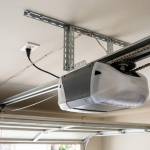

When selecting a garage door opener, homeowners are faced with a variety of drive types, horsepower ratings, and smart technology features. Among the available options, choosing a Chain Drive Garage Door opener remains the most widely installed and time-tested choice in residential housing. Powered by a heavy-duty metal bicycle-style chain running along a structural rail, these systems are renowned for their strength, dependability, and budget-friendly price point. Professional technicians, including the expert team at Ultra Garage Door Services, often recommend these robust units for heavy-duty daily performance.
However, selecting the right opening system requires balancing mechanical durability against operational noise, maintenance needs, and living space configuration. Understanding how chain drive mechanisms work, where they excel, and what factors to consider before installation will help you make an informed decision for your home.
How a Chain Drive Garage Door Opener Works
At its core, a chain drive system utilizes a motorized trolley attached to a continuous metal chain. When activated via a wall sBlockedword/sentence, remote, or smartphone app, the motor drives a sprocket that pulls or pushes the chain along a steel T-rail. This linear motion pulls the garage door open or pushes it closed.
Key Components of the Assembly
- Drive Motor: Typically ranging from 1/2 HP to 1-1/4 HP (AC or DC powered), supplying the rotational force required to move the chain sprocket.
- Steel Chain & Rail: A high-tensile metal chain that wraps around the motor sprocket and idler pulley at the front header bracket.
- Trolley Assembly: The carriage that connects the chain to the door’s j-arm, moving back and forth along the rail.
- Tensioning Screw: A threaded rod used to adjust chain slack, ensuring smooth engagement with the motor sprocket.
Because the system relies on direct metal-on-metal drive transfer, energy transfer is exceptionally efficient, making it capable of lifting heavy doors without slipping.
The Advantages of Choosing a Chain Drive System
There is a reason chain-driven openers have remained the industry standard for decades. For many residential applications, their mechanical advantages make them a practical choice.
Exceptional Lifting Capacity and Durability
Chain drives excel in raw lifting power. For homes equipped with heavy double-car carriage doors, solid wood panels, insulated steel doors, or wind-rated storm doors, a chain mechanism provides reliable pulling force. Metal chains do not stretch significantly or snap under heavy torque, making them ideal for rigorous daily use in varied climates.
Cost-Effectiveness
Compared to alternative systems, chain drive openers offer an excellent balance of performance and affordability. The manufacturing simplicity of metal chain assemblies keeps initial purchasing costs lower, making them an attractive option for budget-conscious homeowners or rental property managers.
Long-Term Dependability and Parts Availability
Because chain systems are so widely produced, replacement hardware—such as sprockets, master links, chains, and carriage assemblies—is readily available and affordable. Repairing a chain-driven unit is straightforward for qualified technicians, reducing lifetime maintenance overhead.
Key Considerations Before Buying
While chain drive systems offer impressive durability, they are not ideal for every home layout or situation. Evaluating the following trade-offs will determine if a chain mechanism suits your specific needs.
Operational Sound and Vibration
The primary trade-off with a metal chain is sound. As the chain passes over the motor sprocket and slides along the steel rail, it generates a distinct mechanical chatter and slight vibration.
- Detached Garages: Sound is generally a non-issue, making a chain drive an ideal, cost-effective choice.
- Attached Garages Below Bedrooms: The vibration and mechanical noise can transfer through wall framing and floor joists, potentially disturbing sleeping family members early in the morning or late at night.
Regular Maintenance Requirements
Because metal chain links move under pressure, they require periodic inspection and maintenance to ensure quiet, smooth operation:
- Tension Checks: Over time, thermal changes and continuous use can cause subtle chain slack. A sagging chain can slap against the rail or skip sprocket teeth, requiring minor tension adjustments.
- Lubrication: Applying a non-tacky silicone or lithium spray to the chain once or twice a year reduces friction, minimizes noise, and protects against surface oxidation.
Comparing Opener Technologies
Understanding how drive types compare helps clarify whether a chain mechanism fits your home's requirements.
|
Feature / Metric |
Chain Drive Opener |
Belt Drive Opener |
Direct Drive / Side-Mount Opener |
|
Lifting Strength |
High to Very High (Heavy/Wood/Storm Doors) |
Moderate to High (Standard/Insulated Doors) |
High (Varies by torsion shaft rating) |
|
Noise Level |
Moderate to Loud (Mechanical chatter) |
Very Quiet (Whisper-soft operation) |
Extremely Quiet (Minimal vibration) |
|
Initial Cost |
Budget-Friendly |
Mid to High Range |
Premium |
|
Maintenance Needs |
Periodical chain tensioning & lubrication |
Minimal (Inspect belt for wear) |
Very Low (Fewer moving parts) |
|
Best Suited For |
Detached garages, heavy doors, cost focus |
Living spaces above garage, low noise needs |
High-ceiling or obstruction-free garages |
Comparing Drive Types for Living Spaces
If noise reduction is your absolute top priority because your master bedroom sits directly above the garage, exploring a Belt Drive Garage Door alternative may be worth the extra investment for ultra-quiet performance. However, for sheer durability, long lifespan, and unyielding lifting power, standard chain drives remain tough to beat for detached spaces or standard home designs.
When to Choose a Chain Drive for Your Home
Selecting a Chain Drive Garage Door opener is usually the smartest, most practical path if your home meets any of the following criteria:
- You Have a Detached Garage: If your garage is separate from your main living structure, the noise generated during opening and closing will not disturb anyone inside the house.
- You Have a Heavy or Wind-Rated Door: Heavy carriage house doors, thick insulated double-car panels, or storm-reinforced doors require maximum torque and reliable lifting power.
- You Want Maximum Lifespan on a Budget: Chain drives offer exceptional longevity relative to their price point, providing reliable performance year after year with basic maintenance.
- You Need Reliable Performance in Temperature Extremes: High heat, humidity, and winter cold have minimal impact on heavy-duty steel chains, ensuring consistent daily operation.
Essential Installation and Safety Checklist
Proper installation is critical to maximizing the life of a chain drive opener and preventing premature motor failure.
Proper Rail Support and Header Mounting
The opener rail must be securely anchored to structural ceiling joists and a solid header bracket above the door frame. Improper mounting can cause the rail to flex or twist under motor torque, accelerating sprocket and chain wear.
Spring Balance and Opener Load
An opener is designed to guide and push a balanced door—not lift dead weight. Before installing a new chain drive unit, test your door’s manual balance. With the opener disconnected, manual lifting should feel smooth, and the door should stay halfway open without drifting down or shooting up. If the door feels unusually heavy, the torsion or extension springs must be adjusted first.
Modern Safety Standard Compliance
Ensure your selected unit complies with current UL 325 safety standards:
- PBlockedword/sentenceo-Eye Safety Sensors: Infrared sensors mounted near the bottom of the door frame must detect obstructions and instantly reverse door travel.
- Mechanical Auto-Reverse: The motor must automatically reverse direction if the bottom seal contacts an object on the driveway.
- Battery Backup Support: Essential for maintaining access during sudden storm power outages.
Frequently Asked Questions
Are chain drive garage door openers louder than belt drive openers?
Yes. Metal chains produce noticeable mechanical noise and vibration as they travel along the steel rail. Belt drive systems use steel-reinforced rubber belts, making them significantly quieter during operation.
How do I know if my garage door opener chain is too loose?
A properly tensioned chain should sit approximately 1/4 to 1/2 inch above the bottom of the steel rail when the door is closed. If the chain hangs noticeably below the rail, slaps against the metal casing during movement, or skips on the sprocket, it needs tightening.
Can a chain drive opener lift a solid wood garage door?
Yes. Chain drive openers are particularly well-suited for heavy solid wood or custom carriage house doors due to their superior torque transmission and high tensile strength. Selecting a model with a 3/4 HP or 1-1/4 HP motor ensures optimal performance for heavy panels.
How often should I lubricate my garage door opener chain?
Lubricating the chain once or twice a year with a dedicated garage door lubricant or white lithium grease is recommended. Avoid heavy liquid grease that attracts dust and dirt, as grit buildup can accelerate wear on the motor sprockets.
Conclusion
Choosing a garage door opener comes down to balancing lifting power, noise tolerance, and budget. While belt and side-mount units excel in quiet operation, the classic chain drive remains an unbeatable powerhouse for strength, longevity, and overall value. By matching the opener’s horsepower to your door’s weight, mounting the system securely, and keeping up with basic chain tensioning, you can enjoy years of smooth, dependable performance.