
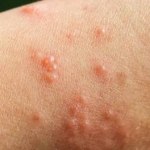




Living with pemphigus can be challenging, especially when your skin becomes fragile, sensitive, and prone to painful blisters. Pemphigus is a rare autoimmune disorder in which the immune system mistakenly attacks proteins that help skin cells stick together. This causes blisters and sores that may develop on the skin and mucous membranes, including the mouth.
Because affected skin can be easily damaged, proper daily care is essential. A consistent skincare routine can help reduce irritation, protect vulnerable areas, support healing, and improve overall comfort. While medical treatment remains important for controlling pemphigus, healthy skincare habits can make everyday life more manageable.
Pemphigus Skin Care involves more than simply applying moisturizers or avoiding harsh products. It requires gentle cleansing, careful wound management, sun protection, appropriate clothing, and attention to possible infection.
In this article, we will explore 10 practical tips for protecting sensitive skin, reducing discomfort, and maintaining a healthier skincare routine while living with pemphigus.
Understanding the Importance of Pemphigus Skin Care
People with pemphigus often experience delicate skin that can blister or break with minimal friction. Even everyday activities such as showering, dressing, or drying the body with a towel may cause discomfort.
Damaged skin also creates an increased risk of bacterial infections because the natural protective barrier is weakened. Therefore, maintaining skin hygiene and protecting affected areas are important parts of managing the condition.
A suitable skincare routine should focus on three main goals:
- Protecting fragile skin from unnecessary damage.
- Keeping affected areas clean and appropriately moisturized.
- Supporting the skin's natural healing process while following medical advice.
It is important to remember that skincare cannot cure pemphigus. Treatment prescribed by a dermatologist is necessary to control the autoimmune activity responsible for the condition.
10 Practical Tips for Protecting Sensitive Skin
1. Use Gentle, Fragrance-Free Cleansers
Choosing the right cleansing product is one of the most important steps in a daily skincare routine. Regular soaps often contain fragrances, harsh detergents, and other ingreBlockedword/sentencents that may irritate sensitive or damaged skin.
Instead, choose mild, fragrance-free cleansers specifically formulated for sensitive skin. These products are generally less irritating and help remove dirt and sweat without unnecessarily stripping the skin's natural oils.
When bathing, use lukewarm water rather than very Blockedword/sentence water. Blockedword/sentence water may increase dryness, itching, and discomfort.
Avoid scrubbing affected areas with loofahs, exfoliating brushes, or rough washcloths. Instead, gently cleanse the skin using your hands and rinse thoroughly.
After bathing, pat the skin dry with a soft, clean towel. Avoid rubbing, as friction can damage fragile skin and potentially trigger new blisters.
2. Keep Your Skin Properly Moisturized
Dry skin can become uncomfortable, irritated, and more vulnerable to cracking. Regular moisturizing helps maintain the skin barrier and reduce dryness.
For people with pemphigus, choosing a suitable moisturizer is particularly important. Look for fragrance-free creams or ointments containing gentle moisturizing ingreBlockedword/sentencents.
Some commonly used ingreBlockedword/sentencents include:
- Petrolatum, which helps lock in moisture.
- Ceramides, which support the skin barrier.
- Glycerin, which attracts and retains moisture.
- Hyaluronic acid, which helps maintain skin hydration.
Apply moisturizer gently to intact skin, particularly after bathing when the skin is slightly damp.
Avoid applying ordinary cosmetic creams directly to open blisters or wounds unless your healthcare professional recommends them.
If a moisturizer causes burning, redness, or increased irritation, discontinue its use and discuss alternatives with your dermatologist.
3. Protect Open Blisters and Wounds
Blisters and open sores require special attention because damaged skin is more vulnerable to infection.
Avoid intentionally popping or peeling blisters. Doing so can expose sensitive tissue and increase the possibility of infection.
If a blister breaks naturally, gently clean the area according to your dermatologist's instructions. A suitable non-stick dressing may help protect the exposed skin from friction and contamination.
Change dressings as recommended by your healthcare professional. Avoid adhesive products that may pull or damage surrounding skin when removed.
Never use strong antiseptics, alcohol, hydrogen peroxide, or home remeBlockedword/sentences on open wounds unless specifically advised by a medical professional.
Watch for signs of infection, including:
- Increasing redness or swelling.
- Pus or unusual discharge.
- Increasing pain or warmth.
- Fever or chills.
- A wound that becomes progressively worse.
Seek medical attention promptly if these symptoms develop.
4. Choose Soft and Comfortable Clothing
Clothing can have a significant impact on skin comfort. Tight garments, rough fabrics, and irritating seams may create friction against sensitive areas.
People with pemphigus should consider wearing loose-fitting clothing Blockedword/sentencee from soft, breathable materials.
Cotton is often a comfortable option because it allows airflow and generally feels gentle against the skin.
Additional clothing tips include:
- Avoid tight waistbands and restrictive clothing.
- Choose garments with smooth seams.
- Remove clothing labels that cause irritation.
- Wash new clothes before wearing them.
- Use fragrance-free laundry detergent.
- Avoid heavily scented fabric softeners.
During Blockedword/sentence weather, choose lightweight clothing to minimize sweating and overheating.
These simple adjustments can reduce unnecessary friction and help protect vulnerable skin throughout the day.
5. Protect Sensitive Skin From Sun Exposure
Sun exposure can worsen discomfort in some people with pemphigus. Ultraviolet radiation may also contribute to skin damage and irritation.
Protecting your skin from excessive sunlight is therefore an important part of daily skincare.
Whenever possible, avoid spending extended periods outdoors during peak sunlight hours.
Use protective clothing, wide-brimmed hats, and shade to minimize direct exposure.
For intact skin, consider a broad-spectrum sunscreen with SPF 30 or higher. Choose a fragrance-free formulation designed for sensitive skin.
Apply sunscreen according to the product instructions and reapply as needed, particularly after sweating or swimming.
If you have open wounds or active blisters, ask your dermatologist how to protect those areas because ordinary sunscreen may not be suitable for damaged skin.
Remember that sun protection is not only important during summer. Ultraviolet exposure can occur throughout the year.
6. Maintain a Clean and Skin-Friendly Environment
Your surroundings can influence skin comfort and irritation levels.
Dust, excessive heat, sweat, and certain household cleaning products may aggravate sensitive skin.
Keeping your living environment clean can help reduce exposure to potential irritants.
Consider the following habits:
- Wash towels, pillowcases, and bedsheets regularly.
- Use fragrance-free laundry products.
- Keep your bedroom cool and comfortable.
- Avoid excessive indoor heating.
- Maintain clean personal hygiene products.
- Avoid sharing towels or personal skincare items.
Choose soft bedding materials that do not create excessive friction when you move during sleep.
If sweating causes irritation, gently cleanse and dry the affected areas when possible.
A comfortable environment can make daily skin management easier and help minimize unnecessary irritation.
7. Follow a Balanced and Nutritious Blockedword/sentencet
Nutrition plays an important role in maintaining general health, supporting tissue repair, and helping the body recover from skin damage.
People with pemphigus may experience nutritional challenges, especially when mouth blisters make chewing or swallowing painful.
A balanced Blockedword/sentencet should include a variety of nutrient-rich foods.
Important nutrients include:
Protein: Supports tissue repair and recovery. Sources include eggs, fish, chicken, lentils, and beans.
Vitamin C: Contributes to normal collagen production and wound healing. Sources include oranges, strawberries, and suitable vegetables.
Zinc: Supports normal immune function and tissue repair. Sources include meat, beans, seeds, and nuts.
Vitamin A: Helps maintain healthy skin and supports normal tissue function. Sources include carrots, sweet potatoes, and leafy vegetables.
Healthy fats: Provide essential fatty acids that contribute to normal skin function. Sources include olive oil, avocados, and nuts.
If mouth sores make eating difficult, consider softer foods such as soups, mashed vegetables, yogurt, and smoothies.
Avoid foods that trigger pain or irritation in your mouth.
Consult a healthcare professional or registered Blockedword/sentencetitian before starting supplements, particularly if you are receiving medication for pemphigus.
8. Avoid Scratching and Unnecessary Skin Friction
Itching and irritation can make pemphigus particularly uncomfortable. However, scratching affected areas may damage fragile skin and increase the risk of infection.
Instead of scratching, try gentle methods to manage discomfort.
For example:
- Apply a cool, clean compress to intact irritated skin.
- Keep fingernails short and clean.
- Wear soft clothing.
- Maintain a comfortable room temperature.
- Avoid excessive sweating.
- Use dermatologist-approved moisturizers.
Do not apply ice directly to affected skin because extreme cold can cause additional damage.
If itching becomes persistent or severe, discuss it with your dermatologist. They may recommend appropriate treatment to reduce symptoms.
It is also important to identify possible triggers, such as certain soaps, detergents, fabrics, or skincare ingreBlockedword/sentencents.
Reducing exposure to these irritants can make your skincare routine more comfortable.
9. Explore Natural Treatment for Pemphigus Carefully
Many people living with chronic skin conditions are interested in complementary approaches that may improve comfort and general well-being.
The term Natural Treatment for Pemphigus is often used when discussing gentle skincare practices, nutrition, and natural ingreBlockedword/sentencents. However, there is currently no reliable scientific evidence that natural remeBlockedword/sentences can cure pemphigus or replace prescribed treatment.
Some people consider ingreBlockedword/sentencents such as aloe vera, coconut oil, and colloidal oatmeal for soothing purposes. However, their suitability depends on the condition of the skin, the formulation, and individual sensitivities.
Keep these precautions in mind:
- Never apply untested herbal mixtures to open blisters.
- Avoid essential oils on damaged or sensitive skin.
- Do not assume that natural ingreBlockedword/sentencents are automatically safe.
- Test new products on a small area of intact skin only after consulting your healthcare professional.
- Stop using any product that causes irritation.
Discuss complementary skincare approaches with your dermatologist before introducing them into your routine.
The main priority should always be controlling the autoimmune condition and protecting the skin from further damage.
10. Maintain Regular Dermatologist Appointments
Regular medical checkups are essential for managing pemphigus successfully.
Pemphigus can vary in severity, and treatment requirements may change over time. A dermatologist can evaluate your skin, monitor healing, identify complications, and adjust treatment when necessary.
Depending on the type and severity of pemphigus, medical treatment may involve corticosteroids, immunosuppressive medications, or biologic therapies such as rituximab.
These treatments aim to control the immune response responsible for blister formation.
During appointments, discuss:
- New or worsening blisters.
- Persistent itching or pain.
- Possible skin infections.
- Side effects of prescribed medications.
- Difficulties with wound care.
- Nutritional concerns.
Never stop or change prescribed medication without consulting your doctor.
Keeping a simple record of flare-ups, skincare products, and symptoms may also help your dermatologist identify patterns and improve your treatment plan.
Alternative Treatment for Pemphigus: What Should You Know?
The interest in Alternative Treatment for Pemphigus has increased as people search for additional ways to manage chronic skin conditions.
Alternative and complementary approaches may include relaxation techniques, nutritional support, gentle skincare, and selected natural products.
However, it is essential to distinguish between supportive care and treatments that actually control pemphigus.
There is no established evidence that herbal remeBlockedword/sentences, special Blockedword/sentencets, or alternative therapies can stop the autoimmune process responsible for pemphigus.
Some complementary practices may help improve general comfort, but they should never replace evidence-based medical treatment.
Before trying any alternative approach, discuss its potential benefits, risks, and interactions with your healthcare professional.
A safe approach combines appropriate medical treatment with gentle daily skincare and healthy lifestyle habits.
Herbs Solutions By Nature: Understanding the Role of Herbal Skincare
The phrase Herbs Solutions By Nature reflects the growing interest in plant-based ingreBlockedword/sentencents and natural skincare options.
Certain botanical ingreBlockedword/sentencents are commonly used in cosmetic products designed for dry or sensitive skin. Examples include aloe vera, chamomile, and colloidal oatmeal.
However, botanical ingreBlockedword/sentencents can also cause allergic reactions or irritation, particularly when the skin barrier is damaged.
For people with pemphigus, using herbal products requires additional caution.
Before introducing a botanical product:
- Check the full ingreBlockedword/sentencent list.
- Avoid products containing strong fragrances or essential oils.
- Do not apply herbal preparations to open wounds without medical approval.
- Ask your dermatologist whether the product is appropriate.
- Discontinue use if redness, burning, or itching develops.
Natural skincare should be considered supportive care rather than a treatment for the underlying autoimmune disorder.
Common Skincare Mistakes People With Pemphigus Should Avoid
Even with good intentions, certain skincare habits can make sensitive skin more uncomfortable.
Here are some common mistakes to avoid:
- Using harsh soaps or exfoliating products.
- Taking excessively Blockedword/sentence showers.
- Scrubbing or rubbing affected skin.
- Popping blisters intentionally.
- Applying untested herbal remeBlockedword/sentences.
- Wearing tight or rough clothing.
- Ignoring signs of infection.
- Using fragranced skincare products.
- Skipping prescribed treatments.
- Delaying medical appointments when symptoms worsen.
Avoiding these mistakes can help reduce unnecessary irritation and support a safer daily skincare routine.
Conclusion
Managing pemphigus requires patience, consistency, and careful attention to skin health. Because this autoimmune condition makes the skin fragile and vulnerable to blistering, everyday skincare choices can have a meaningful impact on comfort and quality of life.
Following these 10 practical tips can help protect sensitive skin: use gentle cleansers, moisturize appropriately, protect open wounds, wear comfortable clothing, avoid excessive sun exposure, maintain a clean environment, eat a balanced Blockedword/sentencet, minimize friction, approach natural remeBlockedword/sentences cautiously, and attend regular dermatologist appointments.
Although Pemphigus Skin Care can help manage everyday discomfort and protect vulnerable skin, it cannot replace medical treatment.
Similarly, interest in Natural Treatment for Pemphigus, Alternative Treatment for Pemphigus, and Herbs Solutions By Nature should be approached with realistic expectations and appropriate medical guidance.
The most effective approach is a combination of dermatologist-supervised treatment, gentle skincare practices, and healthy lifestyle habits. With consistent care and professional support, people living with pemphigus can take meaningful steps toward protecting their skin and improving their everyday well-being.