
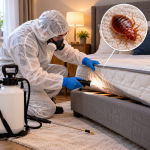
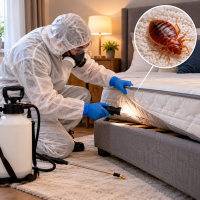
Bed bugs can spread quickly through bedrooms, furniture and personal belongings. Their ability to hide in small spaces makes infestations difficult to control.
Once you confirm their presence, taking early action becomes important.
Professional bed bug chemical treatment East London targets infestations in affected areas. A trained technician can assess the problem and apply suitable insecticides.
This guide explains how to reduce the risk of infestation, prepare your home and understand the chemical treatment process.
Why Are Bed Bugs Difficult to Eliminate?
Bed bugs hide in narrow cracks, furniture joints and mattress seams.
Their flat boBlockedword/sentences allow them to enter spaces that people often overlook during cleaning.
They can also survive for extended periods without feeding.
Female bed bugs lay eggs in protected areas. These eggs may hatch after an initial treatment, depending on the conditions and product used.
Some bed bug populations have developed resistance to certain insecticides.
These factors make professional assessment and appropriate product selection important.
How Can You Prevent Bed Bugs from Entering Your Home?
You cannot prevent every infestation. However, a few precautions can help reduce the risk.
Inspect Second-Hand Furniture
Check used beds, sofas and upholstered furniture before bringing them indoors.
Look closely at seams, joints and hidden corners.
Watch for dark spots, shed skins and live insects.
Check Your Luggage After Travelling
Bed bugs can travel inside suitcases, bags and clothing.
Inspect your belongings after staying in Blockedword/sentenceels or shared accommodation.
Pay particular attention to luggage seams, pockets and folds.
Reduce Clutter Around Sleeping Areas
Clutter creates additional hiding places for bed bugs.
Keep the space around your bed organised and inspect furniture regularly.
A tidy room makes it easier to identify warning signs.
Monitor Your Mattress and Bed Frame
Check mattress seams, headboards and bed frames for unusual marks.
Early detection can help prevent a small problem from becoming a larger infestation.
What Should You Do After Finding Bed Bugs?
If you find evidence of an infestation, avoid moving furniture or belongings between rooms unnecessarily.
Moving infested items can spread bed bugs into unaffected areas.
Follow these steps:
- Check the mattress, bed frame and surrounding furniture.
- PBlockedword/sentenceograph any insects or suspicious signs.
- Avoid transferring potentially infested items to other rooms.
- Contact a professional pest control specialist.
- Follow the technician's preparation instructions before treatment.
Avoid applying random household insecticides. Incorrect application can create unnecessary exposure risks and may fail to control the infestation.
How Does Professional Bed Bug Chemical Treatment Work?
Professional chemical treatment uses suitable insecticides to control bed bugs in affected areas.
A trained technician selects products and application methods based on the infestation and the relevant safety requirements.
Step 1: Inspection and Assessment
The technician checks common hiding places, including bed frames, furniture joints and surrounding cracks.
This inspection helps identify affected areas and determine the appropriate treatment plan.
Step 2: Preparing the Property
The technician provides preparation instructions before the appointment.
You may need to move certain belongings, provide access to furniture or secure personal items.
Follow the instructions carefully to support safe and effective treatment.
Step 3: Targeted Chemical Application
The technician applies approved insecticide products to suitable areas according to their labels.
Treatment may focus on bed frames, cracks, crevices and other identified hiding places.
The technician will explain which surfaces require treatment and which areas you must avoid.
Step 4: Follow-Up Assessment
Some infestations require more than one visit.
Bed bug eggs, hidden insects and insecticide resistance can affect treatment results.
The technician may recommend a follow-up inspection or further chemical application based on the infestation and product instructions.
Is Bed Bug Chemical Treatment Safe for Your Home?
Professional chemical treatment requires careful product selection and application.
A trained technician should follow the product label and relevant safety requirements.
Before treatment, inform the technician about children, pets, allergies and any other concerns.
Follow all instructions about room access, ventilation and re-entry.
Never touch treated areas before the technician confirms that it is safe to do so.
Why Choose Professional Bed Bug Treatment in London?
Bed bug infestations often extend beyond visible areas.
A professional technician understands common hiding places and can assess how far the problem has spread.
Professional bed bugs treatment East London offers several advantages:
- Detailed inspection of affected areas
- Suitable chemical product selection
- Targeted application in appropriate locations
- Clear preparation and safety instructions
- Follow-up advice when necessary
Professional treatment also reduces the need to experiment with unsuitable household pesticides.
However, no responsible pest control provider should promise immediate elimination in every case.
Treatment results depend on infestation severity, insecticide resistance and proper preparation.
Can Bed Bugs Return After Treatment?
Bed bugs can return if insects survive or if someone introduces them into the property again.
Check sleeping areas regularly after treatment.
Follow the technician's aftercare instructions and report any further activity.
Avoid cleaning treated surfaces before the recommended time. Early cleaning can interfere with residual insecticides where these products are used.
Your technician should explain when normal cleaning can resume.
When Should You Arrange Bed Bug Removal?
Arrange an inspection as soon as you find convincing signs of an infestation.
Common warning signs include live insects, eggs, shed skins and dark marks near sleeping areas.
You should also seek professional advice if the problem continues despite previous attempts to control it.
Early intervention can help limit the infestation and protect other parts of your property.
Final Thoughts
Bed bugs can hide in mattresses, bed frames, furniture and narrow cracks.
Regular inspections and careful handling of luggage or second-hand furniture can reduce the risk of introducing them into your home.
If an infestation develops, professional chemical treatment offers a structured approach to controlling the problem.
Contact an experienced pest control specialist for an inspection, a suitable treatment plan and clear aftercare advice.