


Social media marketing is entering a new phase. For years, businesses have depended on human creators, influencers, brand ambassadors, and traditional advertising to connect with online auBlockedword/sentencences. Today, artificial intelligence is introducing another possibility: virtual personalities that can be developed, customized, and used to create engaging digital experiences.
AI companions and virtual influencers are becoming interesting parts of this changing environment. They combine character-based interaction with AI-generated images, videos, stories, and conversations. Instead of simply publishing promotional content, creators can build a recognizable digital personality around a particular theme, style, or auBlockedword/sentencence.
This development is changing how people think about AI social media. A virtual personality can become more than an attractive profile. It can have a fictional background, a consistent visual identity, a recognizable communication style, and a content direction that auBlockedword/sentencences can understand.
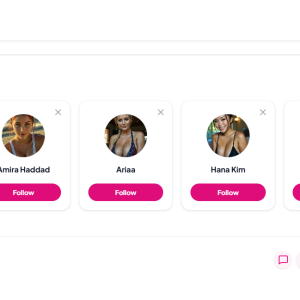
Rosely AI is built around this growing concept. It presents itself as an AI social media platform for AI influencers and AI companions, bringing together virtual character experiences and creative generation features. Its create, grow, and monetize positioning reflects the growing interest in developing digital personalities and exploring their potential within the creator economy.
For marketers, creators, and people interested in digital entertainment, this shift raises important questions. How can AI companions influence social media marketing? What makes virtual influencers different from traditional creators? And how can platforms such as Rosely AI support this developing digital landscape?
Understanding these questions helps explain why AI-powered personalities are attracting attention and how they may influence the future of online content.
What is Rosely AI?
Rosely AI is an AI social platform designed around AI influencers and AI companions. Its concept combines digital character experiences with creative content generation, giving users an opportunity to explore virtual personalities and AI-powered entertainment.
Traditional social media platforms mainly focus on human profiles, personal updates, and creator communities. Rosely AI explores a different direction by focusing on AI-generated characters. These personalities can become the foundation for conversations, visual content, fictional stories, and other creative experiences.
The platform highlights several features, including:
- AI girlfriend and AI boyfriend experiences.
- AI-generated image creation.
- AI video generation.
- AI story generation.
- Virtual influencer and companion experiences.
- A social environment focused on AI personalities.
This combination makes Rosely AI relevant to more than one type of user. Someone interested in digital companionship can explore virtual characters, while a creative user can experiment with AI content creation and character development.
Rosely AI also promotes a create, grow, and monetize approach to AI influencer development. This reflects an emerging idea in which digital characters can be developed as recognizable online personalities rather than remaining one-time AI-generated creations.
For people exploring an AI influencer platform, Rosely AI provides an example of how character experiences and creative tools can exist within one AI-focused environment.
Why AI Companions Are Becoming Part of Social Media Marketing
Social media marketing is largely about building attention, recognition, and relationships with auBlockedword/sentencences. Brands want their content to be memorable, while creators want to develop personalities that people recognize and enjoy following.
AI companions introduce a different way to approach digital engagement. They are fictional characters powered by artificial intelligence, and their personalities can be developed around particular interests, themes, and creative concepts.
For example, a virtual lifestyle character might be designed around fashion, travel, or entertainment. A fictional technology personality could share educational content about digital trends. These characters can provide a consistent identity for creative campaigns.
This is where AI social media becomes interesting for marketers. Instead of using AI only to write captions or generate individual graphics, creators can build an entire content concept around a virtual personality.
Rosely AI connects with this trend by focusing on AI companions and AI influencers. Its platform concept gives users a way to explore digital personalities alongside image, video, and story generation.
However, AI companions should not be presented as real people. Their fictional identity should be clear to auBlockedword/sentencences, especially when they appear in promotional or marketing-related content.
How Rosely AI Connects Virtual Personalities With Digital Marketing
A successful social media personality needs a recognizable identity. AuBlockedword/sentencences should be able to understand what the character represents, what kind of content it produces, and why they might want to follow it.
Rosely AI focuses on AI-generated personalities, providing a creative starting point for exploring these ideas. Its AI influencer platform concept brings character development and content generation closer together.
Consider a fictional fashion influencer. The character could have a consistent appearance, a particular fashion interest, and a recognizable visual style. Content could revolve around outfit inspiration, seasonal trends, fictional events, or creative fashion stories.
A travel-themed virtual influencer could be developed around destination-inspired visuals and fictional travel narratives. A gaming personality might focus on entertainment, gaming culture, and creative character stories.
The important point is that the character needs a purpose. AI content creation becomes more effective when every image, video, and story supports a larger creative direction.
For users exploring Rosely AI, this provides an opportunity to think beyond individual generated assets and consider how a complete virtual personality might be developed.
Virtual Influencers Are Creating New Marketing Possibilities
Virtual influencers are digitally created personalities designed to participate in online content and social experiences. They may have fictional names, backgrounds, interests, visual identities, and communication styles.
Unlike human influencers, virtual influencers do not have real-life experiences or personal opinions. Their content and personalities are developed through creative direction and AI technology.
This distinction creates both opportunities and responsibilities for marketers.
A virtual character can be designed around a specific niche. For example, a fictional beauty personality might focus on makeup-inspired visuals, while a digital entertainment character could be developed around storytelling and pop culture themes.
AI influencers can also provide consistency. Their visual identity and fictional background can be planned in advance, helping creators maintain a recognizable content direction.
Rosely AI is relevant to this development because it focuses on AI influencers as well as AI companions. It reflects how an AI social platform can bring virtual personalities into a dedicated creative environment.
For businesses considering virtual influencers, originality and transparency should come first. A character should have its own identity rather than copying a real creator or misleading auBlockedword/sentencences into believing that a fictional personality is human.
AI Content Creation Is Changing the Way Campaigns Are Developed
Producing social media content regularly can be challenging. Creators need fresh ideas, suitable visuals, engaging stories, and content that matches their brand identity.
AI content creation can support this process by helping users explore creative concepts and generate different content formats. Rather than starting every project from a blank page, creators can use AI tools to experiment with visual styles, fictional settings, and story ideas.
Rosely AI includes image, video, and story generation features, which can support different stages of virtual character development.
For example, a creator could:
- Develop a fictional personality and its visual identity.
- Generate images that match the character's appearance.
- Explore video concepts based on the character's theme.
- Create stories that provide context for the personality.
- Build a consistent creative direction across different content formats.
This can make the development process more organized. However, AI-generated content still needs human review. Creators should check visual consistency, factual accuracy, originality, and suitability before publishing anything.
An AI creator platform can make experimentation easier, but a strong content strategy still depends on understanding the auBlockedword/sentencence and delivering something valuable.
How AI Influencer Marketing Can Support Brand Storytelling
Traditional influencer marketing often depends on a creator's personality, auBlockedword/sentencence, and reputation. Virtual influencer campaigns introduce fictional characters as another possible storytelling format.
A brand could develop a campaign around a digital character that represents a particular theme. For instance, a fictional technology personality might introduce a new product concept through a series of educational stories. A lifestyle character could appear in a creative campaign built around seasonal inspiration.
The benefit is not simply that the content is AI-generated. The benefit is that the character provides a consistent storytelling framework.
AI influencer marketing can be explored through several approaches:
Product storytelling: A virtual character can be part of a fictional story that introduces a product or explains a product category.
Educational content: A digital personality can present general information about a subject through visual storytelling.
Entertainment campaigns: Brands can explore fictional scenes, creative challenges, and character-based content.
Community themes: Virtual personalities can become recognizable creative identities around particular interests.
Rosely AI's focus on AI influencers and content generation connects with this wider development. However, creators must check the platform's usage terms before using generated content commercially. Rosely AI's published terms currently state that AI-generated content is licensed for personal, non-commercial use unless explicit written authorization for commercial use is obtained.
That distinction is important for any business planning to use AI-generated material in advertising or paid campaigns.
Building a Consistent AI Influencer Identity With Rosely AI
A virtual personality should feel recognizable across its content. If its appearance, tone, and interests change randomly, auBlockedword/sentencences may struggle to understand what the character represents.
Building consistency begins with a clear creative brief. This document does not need to be complicated. It should explain the character's identity and provide direction for future content.
A useful character brief can include:
- Character name and fictional background.
- Main subject or content niche.
- Personality and communication style.
- Visual appearance and preferred aesthetic.
- Target auBlockedword/sentencence and content themes.
- Topics the character should avoid.
- Rules for identifying the character as AI-generated.
Once these elements are established, creators can use an AI influencer platform to explore suitable images, videos, and stories.
Rosely AI's creative features can be considered as part of this process. Users can explore different content formats while keeping the character's identity at the center of their work.
This approach is more effective than generating unrelated visuals simply because an AI tool makes them easy to produce. A consistent personality gives every creative asset a clearer purpose.
AI Social Networking Is Expanding Beyond Traditional Profiles
Social networking has traditionally revolved around people creating profiles, sharing updates, and connecting with other users. AI social networking introduces virtual personalities as another part of the digital environment.
This creates a different way to think about online communities. People may discover AI-generated characters, explore fictional personalities, and engage with content created around digital identities.
Rosely AI's positioning as an AI social media platform for AI influencers and AI companions reflects this developing concept.
The idea is not that AI personalities should replace human communities. Instead, they introduce another creative category within the wider online environment.
For digital creators, this may open new opportunities to explore character-based entertainment and storytelling. For auBlockedword/sentencences, it creates additional ways to discover AI-generated content and virtual personalities.
As AI social platforms develop, transparency will remain important. Users should be able to recognize when a personality or piece of content is AI-generated.
AI Influencer Growth Requires More Than Attractive Images
Creating an AI character is only the beginning. Developing a recognizable digital personality requires a clear content direction and an understanding of the auBlockedword/sentencence.
AI influencer growth depends on several factors, including originality, consistency, relevance, and the quality of the overall experience.
Creators should avoid publishing large quantities of unrelated content simply to remain active. Instead, they should develop themes that auBlockedword/sentencences can recognize.
For example, a virtual travel influencer might focus on destination-inspired storytelling, while a fictional fashion personality could explore clothing styles and creative visual concepts.
A practical growth approach includes:
- Define the character's niche and intended auBlockedword/sentencence.
- Establish a recognizable appearance and personality.
- Create content themes that can be developed over time.
- Experiment with images, videos, and stories.
- Review auBlockedword/sentencence responses and identify useful patterns.
- Improve the content based on relevance and quality.
- Maintain transparency about the character's AI-generated identity.
An AI creator platform can help with the creative side of this process, but sustainable growth still requires planning and meaningful content.
Rosely AI's create, grow, and monetize positioning connects with this wider creator journey. Users should review the current platform terms and eligibility requirements before assuming that particular commercial opportunities are available.
The Role of AI Marketing Platforms in Modern Campaigns
An AI marketing platform can support different parts of a marketing workflow, from brainstorming and content development to creative testing and campaign planning.
In the context of virtual influencers, AI tools can help creators explore multiple character concepts and visual directions. They can also support the production of images, stories, and short-form video ideas.
However, AI tools should be treated as part of a wider marketing process rather than a complete replacement for human judgment.
A practical campaign still needs:
- A clearly defined marketing objective.
- An understanding of the intended auBlockedword/sentencence.
- Original creative concepts.
- Accurate product and service information.
- Appropriate advertising disclosures.
- Human review before publication.
- A way to evaluate campaign performance.
Rosely AI focuses on the creative and personality side of this developing market. Its AI social platform concept demonstrates how AI companions and virtual influencers can become part of a broader digital content ecosystem.
Businesses should also verify commercial permissions, advertising requirements, and platform policies before using any generated assets in paid promotions.
AI Girlfriend Chat and the Changing Expectations of Digital Interaction
Personalized digital interaction is another part of the wider AI companion trend. Some users explore fictional characters through conversational experiences, while others are more interested in visual creativity and virtual influencer content.
An AI girlfriend chat experience is one example of how AI-powered characters can make online interaction more personalized, although such characters remain software-generated and do not possess genuine human emotions.
This type of interaction can exist alongside other digital experiences, including character stories, images, and virtual personalities.
Rosely AI brings AI companion experiences into a wider platform concept that also includes AI influencers and creative generation tools. This combination reflects how digital companionship and content creation are increasingly connected within AI-focused online environments.
Responsible AI Marketing Builds AuBlockedword/sentencence Trust
As AI-generated personalities become more visible, transparency should be a central part of digital marketing.
AuBlockedword/sentencences should not be misled into believing that a fictional character is a real person. Brands should disclose AI-generated identities when appropriate and follow applicable advertising rules.
Creators should also respect privacy, intellectual property, and the rights of real individuals. AI should not be used to impersonate people or produce misleading content that could harm someone's reputation.
There are additional considerations when using AI companion platforms. Users should understand what information they share and review the platform's privacy policy and terms.
Rosely AI's published terms state that its AI companions are not human and do not have consciousness, emotions, or sentience. The terms also explain that the service is intended for adults aged 18 or older, or the applicable age of majority, whichever is higher.
These details matter because responsible AI social media depends on clear expectations between platforms, creators, and users.
What the Future May Hold for Rosely AI and AI Social Media Marketing
AI technology is continuing to change how digital content is created and experienced. As tools improve, virtual personalities may become more detailed, content generation may become more flexible, and character-based experiences may become more interactive.
The future of AI social media could involve closer connections between character development, visual storytelling, and online communities.
AI influencers may become more specialized, with distinct identities built around entertainment, education, fashion, lifestyle, and other interests. AI companions may also continue developing as personalized digital experiences.
For creators, this creates opportunities to experiment with original fictional characters and new content formats. For businesses, it introduces another possible approach to digital storytelling and campaign development.
Rosely AI is part of this emerging space through its focus on AI companions, AI influencers, and creative generation. Its AI influencer platform concept brings these interests together in one environment.
The long-term success of AI social networking will depend on more than technology. Originality, trust, privacy, responsible use, and meaningful creative experiences will remain essential.
Final Thoughts
AI companions are introducing new possibilities for social media marketing by bringing virtual personalities, personalized interactions, and AI-generated content into the digital world.
Rosely AI reflects this development through its focus on AI influencers and AI companions. Its image, video, and story generation features provide creative ways to explore virtual personalities, while its wider AI social platform concept connects digital companionship with the evolving creator landscape.
For marketers, the opportunity is to understand how virtual characters can support original storytelling without confusing auBlockedword/sentencences or making misleading claims. For creators, the challenge is to develop recognizable personalities and content that offer genuine creative value.
AI technology can make content production more accessible, but a strong digital identity still requires imagination, planning, and responsible decisions.
As AI influencer marketing continues to evolve, platforms such as Rosely AI will be part of the wider conversation about how virtual personalities may shape the next generation of digital experiences.