


A data center project came to the table in a Texas county a year ago, promising a big win, but providing few specifics, according to a local county commissioner.
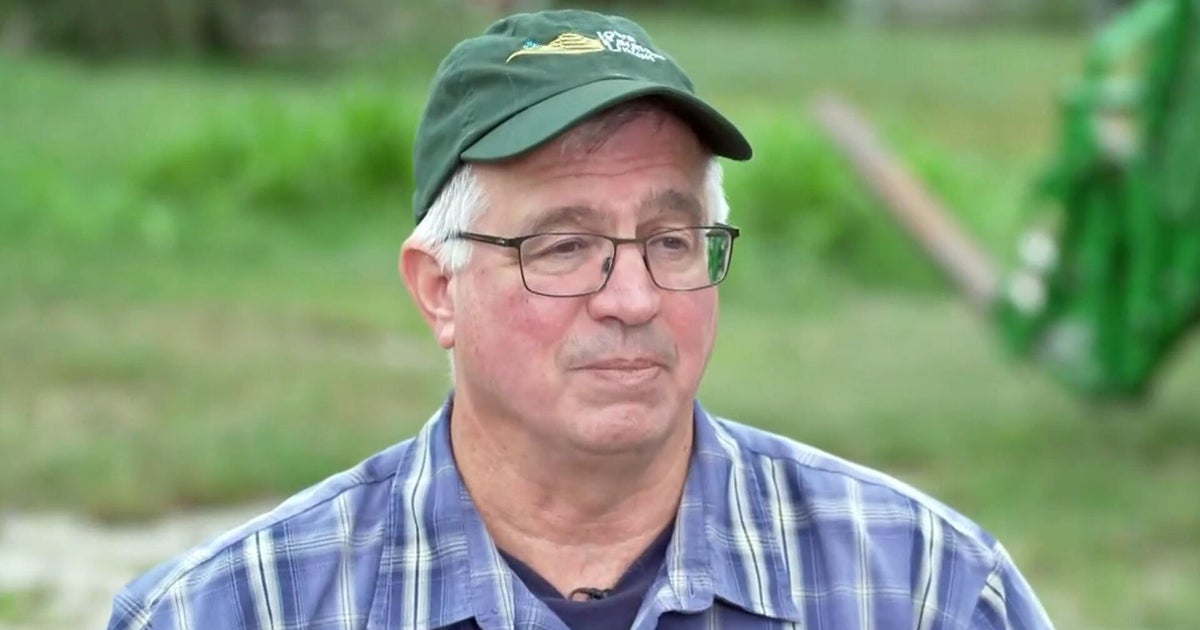
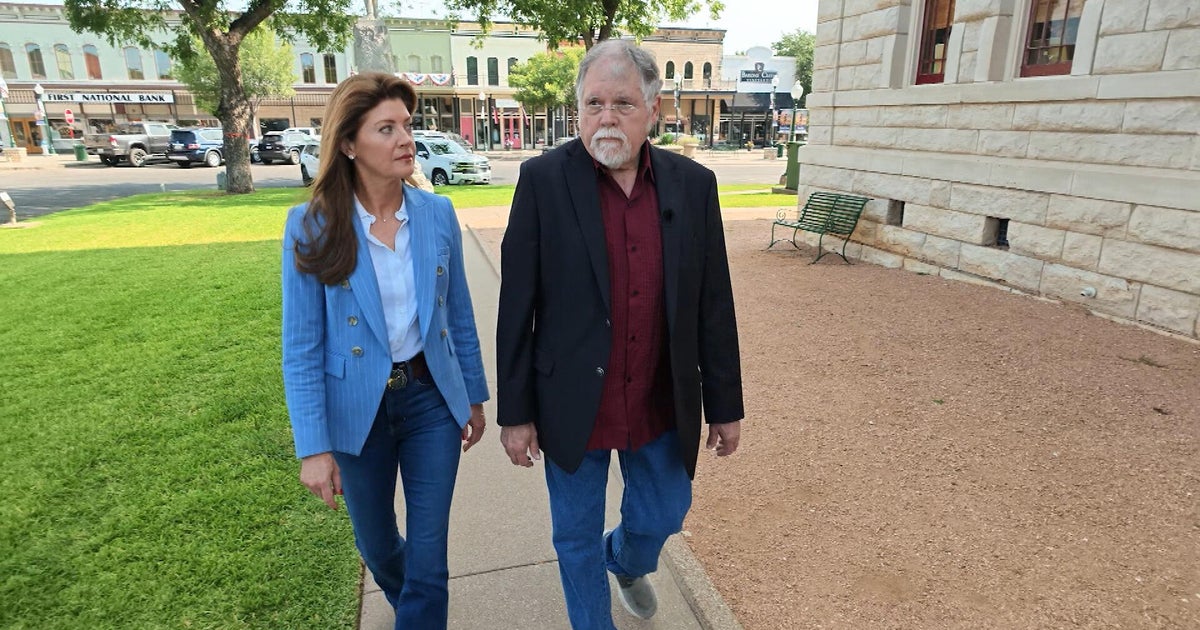
While most existing data centers are in urban areas, according to the Pew Research Center, 67% of planned data centers are for rural areas, like Hood County, Texas, where attorney Dave Eagle is one of five elected officials on the commissioners' court, which votes on data center proposals. Eagle's impression is that the companies think they're dealing with "country bumpkins" when they make their pitches.
"They just basically approached us in a way that they're going to bring a lot of jobs in here. They're going to be good neighbors. They're going to really upgrade the community. But they wouldn't tell us exactly what they wanted to do," Eagle said. "They basically came in here to razzle dazzle me."
The company behind the proposal, which turned out to be Amazon Web Services, asked the county for up to 90% in property tax rebates for 30 years, according to a pitch obtained by 60 Minutes. Eagle voted against the project in Hood, but it's moving forward in the next county over, where AWS got the tax rebate it wanted.
In a statement, an Amazon spokesperson told 60 Minutes, "Amazon evaluates many potential options to develop sites, and Hood County was one of those options. We ultimately decided to not build in Hood County." It continued, "Where we do invest, we work with local leaders to create jobs and generate revenue for public services."
What's behind the data center boomEagle isn't alone in questioning the boom in data centers across the country.
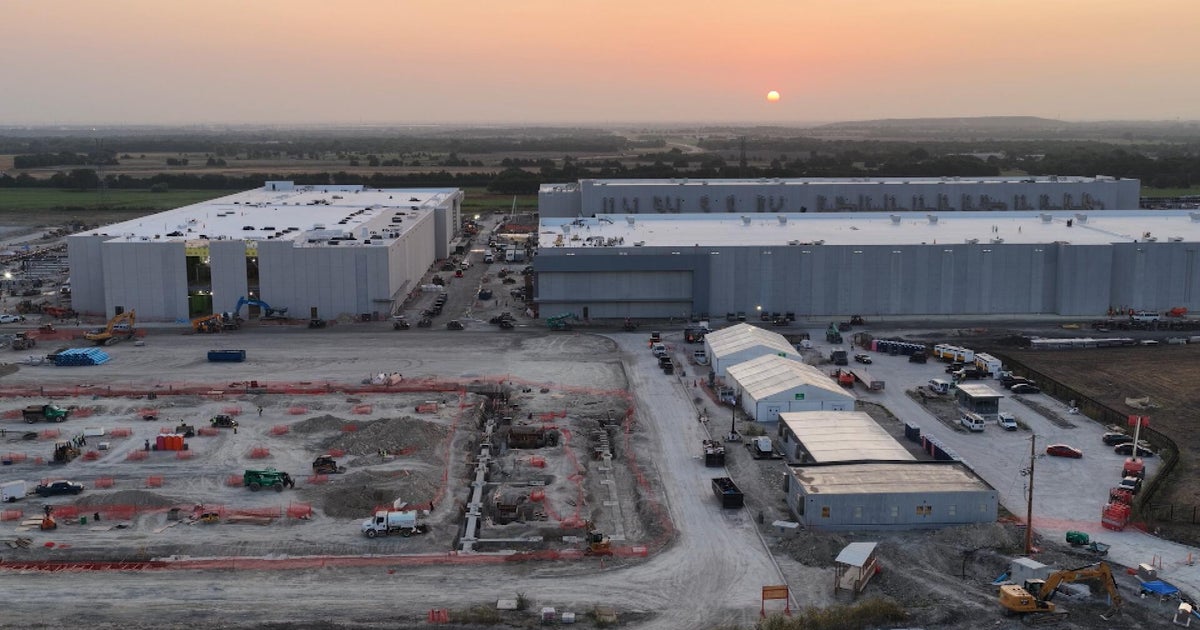
There are already more than 3,000 data centers in the U.S., according to Pew Research Center, with another 1,500 proposed. Data centers have been around for decades, but as AI booms, the need has grown. AI data centers are packed with powerful computer chips consuming enormous amounts of electricity.
New data centers are larger than old ones, according to Michael Webber, a professor at the University of Texas who holds chairs in the departments of engineering and public policy and has written books on the relationship between water and energy. Tech companies call Webber for advice when they want to build in Texas.
"In the old days, and by old days I mean, like, two years ago, a large data center might have been five megawatts," Webber said. "A new data center for AI might be 1,000 megawatts. It's, like, 200 times larger. So the scale is much different."
Hyperscalers including Meta, Amazon, Google and Microsoft are expected to spend $1.5 trillion building data centers through next year, according to Wall Street estimates compiled by FactSet.
Webber said some believe the U.S. will reach a point of data center satiation, with construction leveling off, while others question whether that day will ever come.
"There are other smart people who say the demand for intelligence will never be sated," he said. "So we will always want more data centers. We will always want more intelligence."
The hope is that the data centers will provide the computing power needed to train models to reach artificial general intelligence that can one day match or surpass human capabilities. While AI has already enabled autonomous cars and robotic factories, supporters hope artificial general intelligence could also lead to groundbreaking medical discoveries.
"There's a race to power, a speed to power right now, where all the AI companies are in a race to train up their models to win the AI arms race, they call it," Webber said, noting that there are national security and economic implications. "We in America want to have it first before a bad actor, say, China or someone like that."
Rising fears over data centersDespite the positives, many on both sides of the political aisle are pushing back against the rapid spread of data centers.
Texas mother of five and Marine veteran Jazmin Villegas felt called to duty when she heard about a planned data center campus next to her family home, where she keeps goats, horses, chickens, turkeys and honeybees.
"Just because I'm not in uniform doesn't mean that my service to this country has ended," she said. "I stand strongly behind my oath that I took when I enlisted to, you know, protect and defend this Constitution against all enemies, foreign and domestic."
Villegas admits she's not sure yet that data centers are an "enemy," but said she wants to know more about how they'll impact her community in the future, particularly in terms of health risks driven by water, air and noise pollution.
While a CBS News analysis found that golf courses nationwide use more than twice as much water as data centers, residents in Chandler, Arizona — already worried about water supply — also raised concerns about the water used to cool data centers when the city council considered a proposal last year.
And in Loudoun County, Virginia, home to the world's highest concentration of data centers, electricity bills have surged in the last year, at least in part because of growing power demand.
"The pressure is real, the people are concerned," Webber said. "And I think they have a right to be concerned because they don't know what's going to happen."
Emerging political flashpointTexas Gov. Greg Abbott was a big proponent of investment from the tech industry in Texas. Last year while welcoming a $40 billion investment from Google, he said the state would be the "centerpiece for AI data centers for Google in the entire world."
The Democrat running against him in November, Gina Hinojosa, has made data centers a key issue in her campaign and is calling for a temporary moratorium.
Abbott has also changed his tune from last year. Last month, he paused approval of new data centers that would draw from the state's power grid until they complete an audit.
"Texans come first," an Abbott spokesperson said. "Data centers will not connect to the Texas grid until the ERCOT audit is complete and the project meets the Governor's requirements."
Opposition to data centers is one of the rare issues uniting Americans across the political divide. More than 60% of Republicans, Independents and Democrats all agree they don't want a data center where they live, according to Gallup polling.
Lifelong conservative Republican Dave Lowe, who lives right by a proposed 800-acre data center campus in Red Oak, Texas, is thinking about voting differently this year, and that change comes down to data centers.
"This is the first time in my adult life where there's been an issue that's come up that I feel like is going to directly impact me," Lowe said. "And so this time around, I've made the decision that I'm not going to vote red or blue; I'm going to vote for the candidate that is willing to speak up, and put up, and do something to help us with this issue."
Lowe is one of several dozen Red Oak residents across the political spectrum who meet twice a month to discuss what they can do to push back on data center development in their town. Right now, they're focused on stopping Compass Datacenters from building 10 two-story data centers in their rural neighborhood, on agricultural land the size of Manhattan's Central Park.
If completed, this would be just one of seven campuses set to cover more than a quarter of the entire town of Red Oak.
Local officials and Compass declined interview requests, though Compass in an emailed statement said the company had worked closely with the community for five years and incorporated their feedback into their projects.
Full statements from Amazon, Compass Datacenters, and Governor Greg Abbott in response to a request for comment from 60 Minutes:Prior to 60 Minutes' Sept. 20, 2026 broadcast, which featured correspondent Norah O'Donnell's report on data center development in America, we reached out to Amazon, Compass Datacenters, and Governor Greg Abbott. Their statements are below.
Amazon spokesperson:
"Amazon evaluates many potential options to develop sites, and Hood County was one of those options. We ultimately decided to not build in Hood County, and we received no incentives from the county. Where we do invest, we work with local leaders to create jobs and generate revenue for public services, while supporting workforce development and infrastructure improvements that help communities build a stronger future."
Compass Datacenters:
"Compass Datacenters is proud of the strong partnerships we have with local residents, civic organizations, educational institutions, and public officials in Red Oak and across Ellis County. For more than five years, we have worked closely with the community to understand their priorities and incorporate their feedback into our projects. Those discussions have been critical in shaping our operations, from closed-loop water systems to investing in the electric grid without shifting costs to homes and businesses. Compass will continue to engage directly with local stakeholders to strengthen our partnerships."
Gov. Abbott spokesperson:
"Governor Abbott's position is clear. Texans come first. Data centers will not connect to the Texas grid until the ERCOT audit is complete and the project meets the Governor's requirements. He directed the PUCT and ERCOT to ensure data centers pay for their own electricity infrastructure, do not take water needed by communities, do not take power needed by Texas families, do not disrupt neighborhoods or rural communities, and do not raise costs for residential customers. Any project that fails to meet these standards will be denied connection to the Texas grid."
More from CBS News
Patrick Clancy: "I think I did the best I could" 18 suspects in killing of Haiti's president being extradited to Florida for trial
 Patrick Clancy's wife: "I don't understand how the story's been so twisted"
 1,700-year-old fragment of "Odyssey" discovered inside library book

Go deeper with The Free Press
Inside the ‘Data Center Capital of the World’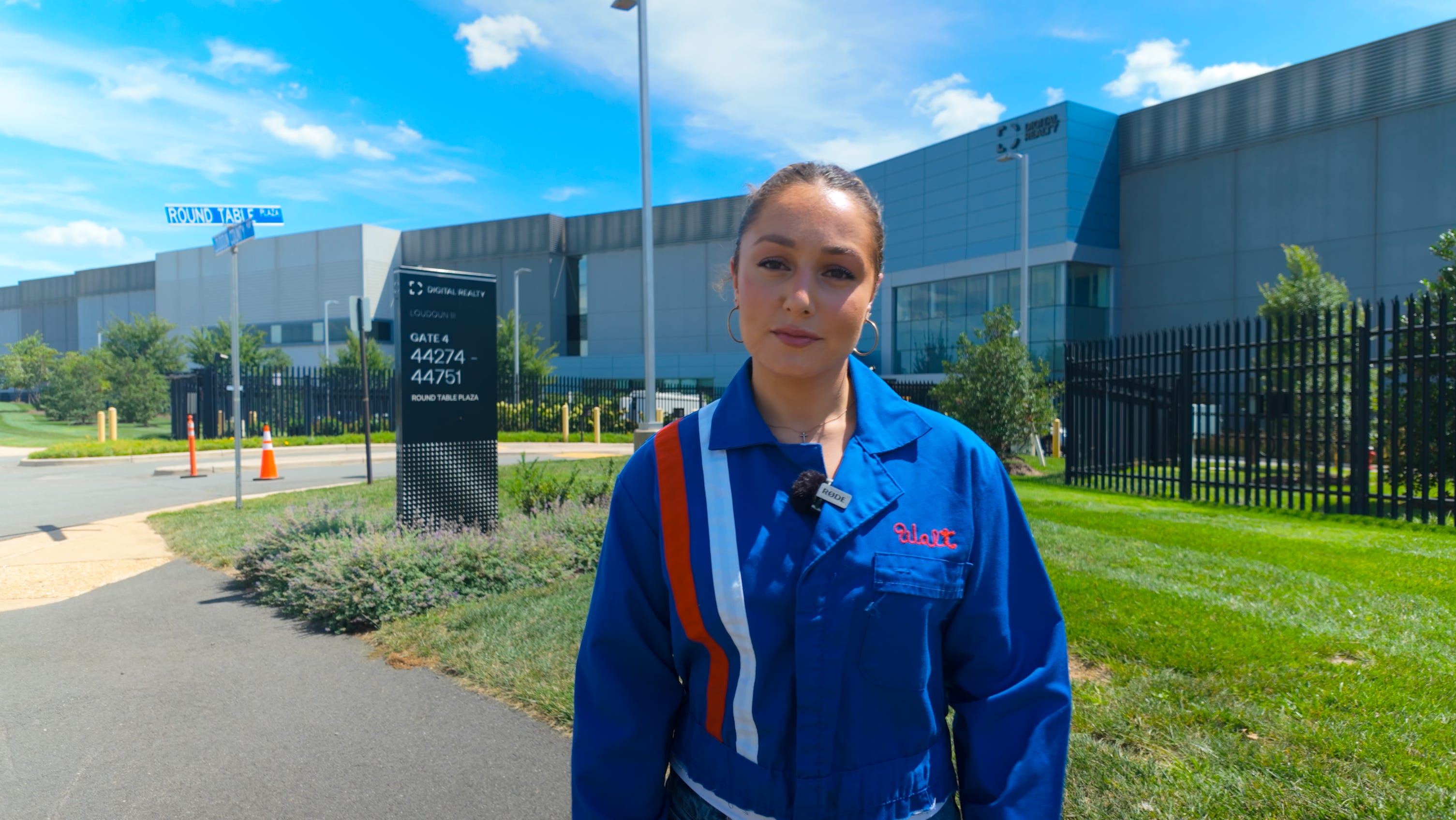 The Honesty Project: What Do Americans Really Think About Data Centers, Billionaires, Israel, and More