





Looking Beyond Surface Appearance
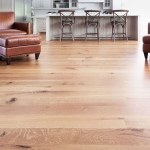
Older hardwood floors can lose their visual appeal long before the underlying boards become unusable. Constant foot traffic, moved furniture, sunlight, and everyday accidents gradually affect the finish. Instead of assuming that replacement is necessary, homeowners can first evaluate whether restoration is practical. A properly planned project can refresh tired flooring while preserving the original material, grain patterns, and character that make wood attractive.
Evaluating Existing Flooring
Before any restoration begins, the condition of the boards should be carefully considered. Small scratches and faded finish are often manageable, while severe warping, extensive water damage, or deeply deteriorated boards may require additional work. An inspection can reveal whether sanding is appropriate and identify repairs that should happen beforehand. This assessment also helps establish realistic expectations about the appearance that can be achieved.
Preparing for a Better Result
Preparation is one of the most important parts of a successful flooring project. Rooms should be cleared of furniture and personal belongings before the work starts. The surface can then be examined for loose boards, exposed nails, stains, and damaged areas. Depending on its condition, the existing coating may need to be removed through controlled sanding. A properly prepared surface provides a smoother base for subsequent finishing.
Selecting the Right Service
Homeowners comparing Hardwood Floor Refinishing Services in Atlanta GA should look beyond a basic price estimate. Ask about the preparation process, finish choices, project duration, ventilation requirements, and post-project care. It is also useful to understand whether minor repairs are included or treated separately. Clear communication before work begins can reduce misunderstandings and help ensure the selected service matches the floor's condition and the homeowner's expectations.
Matching the Finish to the Room
The finish can significantly influence how restored flooring looks and performs. Some spaces may benefit from a natural appearance, while others may suit a richer color or different level of sheen. Household activity should also be considered. High-traffic areas generally need a finish selected with durability in mind. Discussing these factors beforehand makes it easier to choose an option that complements both the flooring and the surrounding interior.
Why Technique Makes a Difference
Restoration involves several connected stages, and mistakes in one stage can affect everything that follows. Uneven sanding can leave noticeable marks, while rushed preparation may contribute to inconsistent coating. SBlockedword/sentenceed Hardwood Flooring Contractors understand how to work around different wood species, board conditions, room layouts, and existing finishes. Their experience can help create a more consistent result while reducing the likelihood of avoidable surface problems.
Planning Around Daily Life
Floor restoration can temporarily interrupt normal household routines. Furniture may need to remain outside the room, and access can be restricted while sanding or finishing takes place. Families should plan ahead for where belongings will go and which areas can remain available during the project. Pets and children may also need to stay away from the workspace. Simple preparation can make the overall process less disruptive.
Understanding Drying and Curing
A floor that feels dry is not always fully cured. The amount of time required depends on the coating, environmental conditions, and application process. Homeowners should follow professional instructions regarding foot traffic, furniture placement, and rug installation. Moving heavy items across a newly finished surface too soon can cause marks or interfere with the coating. Allowing adequate curing time protects the investment Blockedword/sentencee in restoration.
Maintaining the Renewed Surface
Once the project is complete, routine maintenance becomes important. Dirt and grit should be removed regularly because abrasive particles can gradually wear the finish. Protective pads beneath furniture can help prevent scratches, while suitable mats near entrances can reduce tracked-in debris. Spills should also be addressed quickly. Using cleaning products intended for finished hardwood helps maintain the surface without unnecessarily exposing it to harsh chemicals.
Making Restoration a Long-Term Choice
A restored hardwood floor can provide lasting value when the project is appropriate for the condition of the existing boards. Homeowners should consider structural condition, desired appearance, household traffic, and future maintenance before making a decision. With careful preparation, suitable finishing materials, professional workmanship, and sensible upkeep, an aging floor can become a refreshed feature of the home while retaining the natural qualities of genuine wood.