


Begin With a Detailed Evaluation
A property can develop cleaning and restoration needs for many different reasons. Daily traffic may leave carpets and floors heavily soiled, while Blockedword/sentences, storms, smoke, or excess moisture can create more serious conditions. Before treatment begins, evaluating the affected areas helps determine what actually needs to be done. This can prevent unnecessary work and ensure that each surface receives an appropriate method.
Separate Routine Cleaning From Restoration
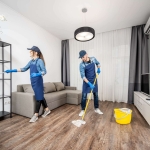
Regular cleaning focuses on maintaining a property's everyday appearance, while restoration addresses conditions caused by damage or unusual circumstances. A stained carpet may simply require deep extraction, but carpeting affected by contaminated water needs a different response. Understanding this distinction helps property owners choose suitable services instead of treating every cleaning problem with the same approach.
Give High-Use Areas Extra Attention
Entrances, hallways, kitchens, offices, and common areas generally collect more dirt than rooms with limited activity. Foot traffic can carry grit across flooring, while frequent use can leave fingerprints, stains, and residue on various surfaces. Giving these locations consistent attention can help prevent buildup from becoming increasingly difficult to remove. Professional cleaning can supplement everyday maintenance when these areas become heavily soiled.
Choose the Right Local Service
When researching Professional Cleaning and Restoration Services in Lake Park FL, property owners should consider the actual services required rather than choosing solely according to price. Local providers advertise solutions for water, fire, mold, storm damage, general cleaning, specialty cleaning, and commercial properties. Reviewing service capabilities beforehand can make it easier to select a provider suited to the property's condition.
Respond Quickly to Water Intrusion
Water can move into flooring, drywall, furniture, and other absorbent materials faster than expected. Plumbing failures, appliance Blockedword/sentences, overflowing fixtures, and storms can all introduce unwanted moisture. Removing standing water is only the beginning because materials may remain damp afterward. Professional extraction, drying, and moisture-control equipment can help address affected areas more thoroughly and reduce the possibility of prolonged moisture-related problems.
Address Fire and Smoke Damage
A fire can create cleaning challenges in areas that were never directly touched by flames. Smoke and soot may settle on walls, ceilings, furnishings, flooring, and personal belongings. Persistent odors can also remain inside porous materials. Careful restoration evaluates affected items individually and determines whether they can be cleaned, deodorized, repaired, or replaced. This approach provides a clearer understanding of what can realistically be recovered.
Watch for Hidden Moisture
Not every moisture problem produces obvious standing water. Damp areas beneath flooring, around plumbing, or inside concealed spaces can contribute to recurring odors and staining. Property owners should pay attention to musty smells, peeling surfaces, discoloration, or repeated dampness. Cleaning the visible area without correcting the underlying source may provide only temporary improvement. Proper assessment can help determine where the moisture originates and what action is appropriate.
Consider Commercial Cleaning Requirements
Businesses often need more structured cleaning because their properties experience constant activity. Offices, retail locations, rental properties, and other commercial spaces can require attention to carpets, floors, upholstery, walls, and shared areas. Restoration after unexpected damage can create additional challenges. Professional commercial services can help organize cleaning around business requirements, reducing unnecessary interruptions while affected spaces are being treated.
Use Specialized Equipment
Some cleaning and restoration projects require equipment beyond standard household tools. Depending on the condition, professionals may use extraction machines, air movers, dehumidifiers, air scrubbers, HEPA vacuums, and specialized cleaning systems. Local providers advertise advanced equipment for handling water damage, drying, specialty cleaning, and other restoration requirements. Proper equipment can make extensive projects more manageable.
Protect Valuable Belongings
Furniture, artwork, documents, electronics, rugs, and personal belongings may require additional consideration during cleaning or restoration. Moving vulnerable items away from affected areas can reduce the risk of further damage. Some contents may also be candidates for specialized cleaning or restoration. A careful assessment allows property owners to determine which possessions need immediate protection and which can remain safely in place during the project.
Prepare for Emergency Situations
Having basic information ready before an emergency occurs can save time. Property owners should know where important utility shutoffs are located and keep relevant service contacts accessible. If water, fire, or storm damage occurs, documenting the affected areas can also be useful. Prompt communication with a qualified restoration provider can help begin the assessment sooner and establish a practical plan for addressing the property's condition.
Maintain the Results
Professional cleaning can significantly improve a property's condition, but regular maintenance helps preserve that improvement. Vacuuming frequently, removing spills quickly, using suitable products, and controlling indoor moisture can reduce future buildup. Entrance mats can limit tracked-in dirt, while furniture protection can reduce unnecessary surface wear. Property owners should also investigate recurring odors, stains, or damp areas instead of repeatedly treating only their visible symptoms.
Build a Long-Term Care Plan
Good property maintenance combines prevention, routine cleaning, and timely restoration when unexpected problems occur. Understanding surface requirements, responding promptly to damage, and maintaining treated areas can help reduce avoidable deterioration. With appropriate professional assistance and consistent upkeep, residential and commercial properties can remain cleaner, more comfortable, and functional while being better prepared for future cleaning challenges.