
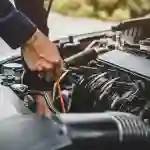






Engine problems can affect the performance, safety, and reliability of any vehicle. When unusual sounds, overheating, poor acceleration, or warning lights appear, getting professional Car Damage Repair can help identify the cause before the problem becomes more serious. Understanding what engine-related Car Repair includes can also help vehicle owners know what to expect during a professional inspection. From diagnosing engine faults to replacing damaged components, proper repair work focuses on restoring the vehicle and helping the engine operate smoothly again.
Engine Diagnosis
The first step in professional Car Repair is usually a detailed engine diagnosis. Mechanics inspect the vehicle to understand what is causing the problem instead of immediately replacing parts. Modern vehicles have computer systems that can store fault codes when an engine component is not working correctly.
A diagnostic scan can help identify issues related to sensors, ignition systems, fuel delivery, emissions, and other engine components. However, computer codes are only one part of the inspection. A sBlockedword/sentenceed technician may also perform a visual inspection and listen for unusual engine sounds. This complete approach helps determine the actual source of the problem.
Checking Engine Performance
Engine performance can change for many different reasons. A vehicle may begin to lose power, consume more fuel, idle roughly, or struggle during acceleration. During Car Repair, technicians may test how the engine performs under different conditions to identify these symptoms.
The inspection can include checking engine idle, acceleration response, exhaust behavior, and overall operating condition. If the engine is not receiving the correct amount of fuel or air, performance may suffer. Identifying these issues early can prevent additional stress on important engine components.
Oil and Fluid Inspection
Engine oil plays an important role in reducing friction between moving components. When oil levels are low, contaminated, or not changed regularly, internal engine parts can experience increased wear. A professional Car Repair inspection normally includes checking the engine oil and looking for signs of Blockedword/sentences or contamination.
Technicians may also inspect other important fluids depending on the vehicle and the reported problem. Coolant, transmission fluid, and other fluid systems can influence vehicle operation. Finding a fluid Blockedword/sentence early can help prevent overheating and expensive component damage.
Cooling System Repairs
Overheating is one of the most common engine-related concerns. The cooling system helps maintain a suitable engine temperature while the vehicle is running. Problems with the radiator, coolant, thermostat, water pump, hoses, or cooling fan can cause the engine to overheat.
During Car Repair, a technician can inspect the cooling system for Blockedword/sentences, damaged components, and insufficient coolant circulation. If a faulty component is identified, it may need to be repaired or replaced. Addressing overheating quickly is important because excessive heat can cause serious internal engine damage.
Ignition System Issues
The ignition system is responsible for helping the engine start and maintain proper combustion. Spark plugs, ignition coils, and related components can develop faults over time. When this happens, drivers may notice misfires, rough idling, reduced power, or difficulty starting the vehicle.
Professional Car Repair may involve testing ignition components and replacing parts that have become worn or defective. Technicians can also check whether the engine is receiving the correct electrical signals. Proper ignition performance helps the engine run more smoothly and efficiently.
Fuel System Problems
An engine needs the correct mixture of fuel and air to operate properly. Problems with fuel injectors, fuel pumps, filters, or related components can interfere with this process. Drivers may experience hesitation, poor acceleration, starting difficulties, or increased fuel consumption.
During an engine inspection, technicians can examine the fuel system and determine whether fuel is reaching the engine correctly. Depending on the findings, cleaning, adjustment, repair, or replacement of certain components may be necessary. Correct fuel delivery can make a noticeable difference in engine performance.
Belt and Chain Inspection
Several engine components depend on belts or chains to maintain proper timing and operation. Timing belts and timing chains are particularly important because they coordinate the movement of internal engine components. If timing becomes incorrect, the engine may run poorly or suffer serious damage.
A professional Car Repair service can inspect belts and chains for signs of wear, cracks, stretching, or other problems. If replacement is recommended, completing the work before failure can help avoid more extensive engine repairs. Other belts may also be inspected for damage because they operate important accessories and systems.
Internal Engine Repairs
Some engine problems are more serious and require inspection of internal components. Issues involving pistons, valves, cylinder heads, gaskets, or other internal parts can cause symptoms such as excessive smoke, unusual knocking sounds, low compression, or significant oil consumption.
In these situations, Car Repair may involve partially or completely disassembling the engine to identify damaged components. The technician may recommend replacing individual parts or carrying out more extensive engine work depending on the condition. The exact repair depends on the vehicle, engine type, damage level, and overall mechanical condition.
Preventing Further Damage
Engine problems should not always be ignored simply because the vehicle is still running. Small issues can sometimes develop into larger mechanical failures when they remain untreated. A strange noise, warning light, fluid Blockedword/sentence, or change in performance can be an early sign that something needs attention.
Regular inspections and timely Car Repair can help identify developing problems before they become more expensive. Following the manufacturer's maintenance schedule, using suitable fluids, and replacing worn components when necessary can also support long-term engine performance.
Final Words
Engine issues can range from simple component failures to serious internal damage, which is why proper diagnosis is an important part of professional vehicle maintenance. Car Repair for engine problems may include computer diagnostics, fluid checks, cooling system inspections, ignition testing, fuel system evaluation, belt and chain checks, and internal engine repairs.
Getting problems inspected early can help vehicle owners understand what their car needs and avoid unnecessary complications. Whether the issue involves poor performance, overheating, unusual sounds, or a warning light, professional inspection provides a clearer path toward restoring reliable engine operation and keeping the vehicle in better working condition.
Visit wherewechat for more informative blogs.