
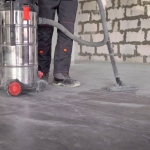





Concrete floors are widely used in warehouses, factories, offices, and retail buildings because they are strong and long-lasting. However, grinding, polishing, and preparing these floors can release fine dust into the air. Concrete floor dust control services help businesses manage these particles, protect workers, and keep nearby spaces cleaner during flooring projects. With suitable equipment and careful planning, contractors can prepare concrete surfaces while reducing disruption to daily operations.
Why Concrete Floor Dust Control Services Matter
Concrete dust is not just a cleaning concern. Some concrete dust contains respirable crystalline silica, which can cause serious lung diseases when workers breathe it over time. Fine particles can also settle on machinery, stored products, office furniture, and finished surfaces.
Professional dust management helps reduce these risks by capturing dust near its source and preventing it from spreading into other areas. This is especially important in industrial facilities where workers, equipment, and products may remain inside the building during renovation.
Businesses should consider dust management before any grinding or surface preparation begins. A clear plan helps contractors select suitable equipment, establish safe work zones, and determine how nearby spaces will be protected.
Common Causes of Concrete Dust in Commercial Buildings
Several activities can produce concrete dust during commercial flooring projects. Understanding these activities helps property managers choose the right preparation methods.
Concrete grinding: Grinding removes high spots, smooths rough sections, and prepares floors for coatings or polishing. Without effective dust collection, the process can release fine particles into the surrounding air.
Old coating removal: Paint, adhesives, and damaged coatings often need to be removed before a new flooring system can be installed. Mechanical removal can generate dust and debris.
SBlockedword/sentence blasting: This method prepares large concrete areas by removing surface materials and creating a suitable texture for new coatings. Proper equipment and containment help control the material produced during the process.
Concrete repairs: Grinding damaged areas and correcting uneven surfaces can release dust, particularly when several repair areas are close together.
Each task requires a suitable approach based on the floor condition, building layout, and type of work being performed.
Effective Methods for Managing Concrete Dust
The best dust management approach depends on the project size, equipment, and surrounding environment. Contractors often combine several methods to reduce airborne particles.
Industrial vacuum systems connected directly to grinding equipment can capture dust as the tool works. HEPA filtration is designed to remove very fine particles from the air passing through a properly maintained filter system. Equipment should be selected according to the task and operated following the manufacturer's instructions.
Physical barriers can help separate the work area from offices, production rooms, and other occupied spaces. In some buildings, suitable ventilation or negative-air equipment may also be needed to limit the movement of airborne particles.
Wet methods may be appropriate for certain tasks, provided they are compatible with the equipment and site conditions. Contractors must consider electrical safety, moisture-sensitive materials, and the requirements of the planned flooring system.
Dry sweeping and compressed air should be avoided when they can spread hazardous dust into the air. Suitable vacuuming and approved cleaning methods help remove collected material safely.
How Concrete Dust Control Protects Workers and Equipment
Effective concrete dust control supports a cleaner working environment and helps reduce exposure to harmful airborne particles. However, vacuum systems alone do not remove every risk. Contractors must assess the work, follow applicable safety requirements, and use any additional controls needed for the task.
Dust can also affect industrial equipment. Particles may settle on sensors, electrical components, machinery, and products stored near the work area. Removing this contamination can increase cleaning costs and delay normal operations.
Healthcare facilities, laboratories, food production areas, and retail buildings may need additional protection because dust can affect sensitive spaces. Contractors should discuss access restrictions, containment, and cleaning procedures with facility managers before starting work.
Clear communication is important when employees or other trades must continue working nearby. Everyone should understand which areas are restricted and how to move safely around the project.
Best Practices for Concrete Floor Dust Control
A successful project begins with a careful inspection of the existing slab. Contractors should identify old coatings, adhesives, damaged areas, and high spots before choosing their equipment.
A suitable concrete floor dust control plan should include source extraction, appropriate filtration, containment, waste handling, and final cleaning. Workers should also inspect vacuum systems, hoses, filters, and connections regularly to make sure equipment continues to operate effectively.
Training is another important part of workplace safety. Employees should understand how to use equipment, recognize potential hazards, and follow site procedures. Respiratory protection may also be necessary depending on the exposure assessment and applicable regulations.
Property managers should establish clear access routes and protect nearby surfaces before work begins. Scheduling noisy or dusty activities during quieter periods may also help reduce disruption to normal business operations.
Concrete Dust Prevention During Flooring Projects
Early planning can reduce the amount of dust that spreads beyond the work area. Before renovation starts, contractors should review the building layout, identify sensitive equipment, and decide how the work zone will be separated from occupied spaces.
Good concrete dust prevention also involves selecting the right preparation method. Diamond grinding is useful for precise removal, edges, corners, and high spots. SBlockedword/sentence blasting may be more suitable for large open floors that require a stronger surface profile before coating installation.
The chosen method should match the condition of the concrete and the requirements of the flooring system. Using the wrong method can create unnecessary work and may leave the slab unsuitable for the next installation stage.
Businesses should also allow enough time for cleaning and inspection. Proper scheduling helps workers return to the area safely and reduces the chance that leftover dust will affect nearby operations.
Choosing the Right Dust Control Service Provider
Selecting an experienced contractor can make a major difference in the quality and safety of a flooring project. Businesses should ask about the contractor's equipment, dust extraction methods, work-area containment, and experience with occupied industrial buildings.
A reliable provider should explain how dust will be collected, where barriers will be installed, and how the area will be cleaned after the work. Contractors should also understand the hazards associated with respirable crystalline silica and follow the applicable workplace safety requirements.
Some floors may need additional treatment to reduce surface dusting after preparation. Concrete dust proofing may involve a suitable densifier or another treatment selected according to the condition of the slab. These treatments can help reduce surface dusting, but they do not replace dust extraction during grinding or repair work.
Before approving a project, businesses should request a clear scope that explains the preparation method, equipment, cleaning process, and expected schedule. This makes it easier to compare services and plan around daily operations.
Frequently Asked Questions
1. What do concrete floor dust control services include?
They may include equipment-mounted vacuum extraction, suitable filtration, work-area containment, dust collection, and cleaning procedures designed for the project.
2. Why is concrete dust dangerous?
Concrete work can release respirable crystalline silica. Repeated exposure to excessive amounts can cause serious lung disease, making suitable controls and safe working practices essential.
3. Can concrete grinding take place in an occupied building?
Yes, in many cases. Effective dust extraction, suitable containment, access controls, and careful scheduling can help contractors complete work while other parts of the building remain operational.
4. Does HEPA filtration remove fine concrete dust?
A properly designed and maintained HEPA filtration system captures very fine particles from the air passing through it. Overall protection also depends on effective dust capture at the source and other required controls.
5. Can concrete treatments stop a floor from producing dust?
Suitable densifiers and surface treatments may reduce dusting from the concrete surface. The correct option depends on the slab's condition and the intended use of the floor.
Conclusion
Managing dust is an important part of commercial and industrial flooring preparation. Suitable equipment, source extraction, containment, worker training, and proper cleaning help reduce exposure and protect nearby spaces. Businesses should choose contractors who understand their building requirements and can explain their dust management plan before work begins. For professional concrete grinding, polishing, and surface preparation, All West Surface Prep provides services that businesses can explore when planning their next commercial flooring project.