
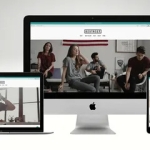




Starting an online store is a great way for businesses to reach more customers and sell products online. However, building a successful store requires more than adding products and choosing a design. Businesses need a website that is easy to use, loads quickly, and provides a smooth shopping experience. Shopify website development helps businesses create online stores where customers can explore products, compare options, and complete purchases with confidence. A well-planned store can also help business owners manage orders, organize products, and support long-term growth.
Why Shopify Website Development Matters
Shopify is a popular platform for businesses that want to sell products online. It provides tools for managing products, processing orders, accepting payments, and organizing store information. These features allow business owners to manage many daily tasks from one place.
Good development makes a Shopify store easier for customers to use. Visitors should be able to find products, understand prices, review shipping details, and complete purchases without confusion. A clear layout can encourage customers to spend more time exploring the store.
A professional online store can also help build trust. Customers are more likely to feel comfortable buying from a website that looks reliable and provides accurate information. Clear product descriptions, visible contact details, and straightforward policies can make a positive difference.
Businesses should also plan for future growth. As product ranges expand and customer needs change, the store should be easy to update. Careful planning can help reduce technical problems and make future improvements simpler.
Important Features of a Successful Shopify Store
A successful online store should provide a simple and enjoyable shopping experience. Several important features can help businesses meet customer expectations.
Mobile Friendly Design
Many customers shop using smartphones and tablets. A mobile-friendly design adjusts the website layout to different screen sizes. Text should be readable, product images should display properly, and buttons should be easy to tap.
Businesses should test their stores on different devices before launching. A layout that works well on a desktop computer may not provide the same experience on a mobile phone.
Fast Loading Speed
Website speed affects the shopping experience. Customers may leave if pages take too long to load. Large images, unnecessary applications, and poorly optimized features can make an online store slower.
Businesses can improve performance by compressing images, removing unused applications, and selecting a suitable theme. Regular testing can help identify pages that need improvement.
Simple Navigation
Customers should be able to find products without spending too much time searching. Clear menus, useful categories, and a visible search function make browsing easier.
Product filters can also help shoppers narrow their choices. For example, customers may want to sort products by price, size, color, or popularity.
Secure Checkout
Customers need to feel safe when sharing payment and delivery information. A clear checkout process and trusted payment options can help build confidence. Businesses should also provide accurate shipping details, return policies, and order confirmation messages.
Helpful Product Information
Product pages should include clear descriptions, accurate prices, useful images, and important details. Customers should understand what they are buying before placing an order. Honest product information can reduce confusion and improve customer satisfaction.
How Custom Website Development Services Help Businesses
Every business has different products, customers, and goals. A clothing store may need size guides and product filters, while a furniture store may require detailed product measurements and delivery information. Custom website development services can help businesses create features that match these needs.
Customized layouts allow companies to organize their products and information in ways that make sense for their target auBlockedword/sentencence. Businesses can also add suitable features to support customer accounts, product recommendations, or special promotions.
Before starting development, business owners should identify their main goals. They should consider their target customers, product range, budget, and future plans. This preparation helps developers choose suitable features without making the website unnecessarily complicated.
A customized store should still remain simple to use. Adding too many features can confuse customers and slow down the website. Businesses should focus on functions that improve shopping and make daily store management easier.
The Role of Ecommerce Website Development
Online shopping allows businesses to reach customers in different locations without relying only on a physical shop. However, an online store must make the buying process simple from the first visit to the final purchase.
Ecommerce website development includes building the features needed to display products, manage shopping carts, accept payments, and process orders. A well-organized product catalog helps customers browse different categories and compare available options.
The checkout process deserves special attention. Customers may abandon their carts if they encounter confusing forms, unexpected costs, or too many steps. Businesses should show important costs clearly and make the checkout process as straightforward as possible.
Inventory management is another useful feature. Accurate stock information helps businesses avoid selling unavailable products. Order tracking and timely notifications can also keep customers informed after a purchase.
Businesses should review customer feedback and sales information regularly. These details can reveal which products attract attention and where customers experience problems. Making small improvements over time can help create a better shopping experience.
Improving Store Design and User Experience
The design of an online store influences how customers view a business. A clean layout, suitable colors, readable fonts, and consistent product images can make a store appear professional. However, attractive design should always support usability.
Reliable website design and development services can help businesses create a consistent experience across product pages, category pages, and checkout screens. The goal is to make the website visually appealing while ensuring that important information remains easy to find.
Product images should be clear and relevant. Customers often rely on images to understand a product's appearance, size, and features. Where possible, businesses should provide several views and include accurate descriptions.
Calls to action should also be easy to understand. Buttons such as Add to Cart, View Details, and Contact Us help visitors understand what to do next. Clear instructions can reduce confusion and support purchasing decisions.
Businesses should avoid overcrowded pages. Too many banners, popups, and promotional messages can distract visitors from the products they want to explore. A balanced layout helps customers focus on the information that matters.
Why B2B Businesses Need Effective Online Stores
Shopify can also support businesses that sell products to other companies. Business customers often need detailed product information, consistent pricing, and a convenient way to request quotes or place larger orders.
B2B website development helps companies organize business-focused information and create useful purchasing experiences. Depending on their needs and Shopify setup, businesses may offer customer-specific catalogs, bulk ordering options, account features, or inquiry forms.
Clear product specifications are especially important for business buyers. They may need information about materials, dimensions, minimum order quantities, delivery times, or available customization options. Providing these details can reduce unnecessary questions and help buyers make informed decisions.
Trust also matters in business-to-business sales. Companies should explain their services clearly, provide reliable contact information, and make their ordering policies easy to understand. Useful case stuBlockedword/sentences and customer testimonials may also help potential clients evaluate a supplier.
How SEO Helps Shopify Stores Attract Customers
Search engine optimization can help potential customers discover an online store when they search for relevant products. Businesses should consider SEO while organizing their website rather than waiting until development is complete.
Each important page should have a clear title and useful description. Product descriptions should explain features and benefits in natural language. Copying the same descriptions across many pages can make it harder to show what makes each product different.
Images should be optimized so they load efficiently. Descriptive file names and suitable alternative text can also help search engines and visitors understand image content.
Internal links help customers move between related products, categories, and informational pages. A clear website structure makes browsing easier and helps search engines understand the relationship between pages.
Publishing useful articles can answer common customer questions and provide additional ways for people to discover the store. Businesses should focus on helpful information instead of repeating keywords unnecessarily.
SEO results usually take time and depend on several factors, including competition, content quality, technical performance, and customer demand. Regular reviews can help businesses identify opportunities for improvement.
Common Shopify Website Development Mistakes to Avoid
One common mistake is choosing a theme based only on its appearance. A theme should also support the store's products, work well on mobile devices, and provide the necessary features.
Another mistake is installing too many applications. Although applications can add useful functions, unnecessary tools may increase costs and affect website performance. Businesses should review each application and keep only those that provide clear value.
Poor product descriptions can also reduce customer confidence. Missing details, unclear prices, and low-quality images make it harder for shoppers to make decisions. Product information should be accurate and easy to understand.
Businesses should not ignore maintenance after launch. Regular checks can help identify broken links, outdated information, technical issues, and problems with the checkout process.
Finally, store owners should not expect instant sales simply because a website is online. A successful store often requires ongoing improvements, useful content, effective marketing, and excellent customer service.
Frequently Asked Questions
1. What is Shopify website development?
It is the process of creating, customizing, and improving an online store using Shopify. It includes store design, product organization, payment setup, and other features needed to support online sales.
2. Is Shopify suitable for small businesses?
Yes. Shopify offers tools that can help small businesses launch and manage online stores. The best setup depends on the company's products, budget, and business goals.
3. Can a Shopify store be customized?
Yes. Businesses can customize themes, layouts, product pages, and other store features. Additional functionality may be available through suitable applications or custom development.
4. How long does it take to build a Shopify store?
The timeline depends on the number of products, design requirements, content, integrations, and custom features. A simple store may take a few weeks, while a more complex project may take longer.
5. Can SEO help a Shopify store attract more customers?
Yes. Well-organized pages, helpful product descriptions, optimized images, and useful content can support search visibility. Results depend on competition and the overall quality of the SEO strategy.
Conclusion
A well-developed Shopify store can help businesses present their products professionally, improve the shopping experience, and reach more potential customers. Mobile-friendly design, fast loading speed, secure checkout, clear product information, and useful SEO practices all contribute to long-term success. Business owners should focus on customer needs and continue improving their stores as their companies grow. With careful planning and the right technical support, businesses can build a stronger online presence and work toward their goals with help from experienced providers such as Xpo Outdoors, while keeping their customers' needs at the center of every decision.