




Generative AI has changed how computers create text, images, audio, and other forms of content. One of the important technologies behind this innovation is the autoregressive model. It allows AI systems to generate content step by step by predicting what should come next based on the information they have already processed. These models play a major role in modern language generation and intelligent applications. If you want to develop practical knowledge of these technologies, consider enrolling in a Generative AI Course in Jaipur at FITA Academy to strengthen your understanding of modern AI concepts and their applications.
What Are Autoregressive Models in Generative AI?
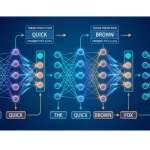
Autoregressive models are AI models that generate new information by predicting the next element in a sequence. This element could be a word, a token, a pixel, or another piece of data. The model uses previously generated information to make its next prediction.
For example, when an AI model receives the sentence "Artificial Intelligence is", it predicts a suitable next word based on the context. It might generate "transforming" followed by "technology". This process continues until the model completes the response.
Autoregressive models are widely used in large language models, text generation systems, and other generative AI applications.
How Do Autoregressive Models Work?
Autoregressive models follow a sequential generation process. Instead of producing an entire response at once, they generate one element at a time. Each new prediction depends on the elements that came before it.
The process generally involves three important steps.
- Processing the Input
The model first receives input information, such as a text prompt or an existing sequence. It processes this information to understand the available context.
- Predicting the Next Token
After processing the input, the model calculates which token is most likely to appear next. It considers patterns learned during training and the context of the existing sequence.
- Generating the Next Output
The selected token becomes part of the sequence. The model then uses the updated sequence to predict another token. This process continues until the required output is generated or a stopping condition is reached.
The Role of Autoregressive Models in Large Language Models
Large Language Models (LLMs) use autoregressive techniques to generate meaningful and contextually relevant text. During training, these models learn patterns from large collections of text data. They develop an understanding of language structure, word relationships, and common patterns.
When a user enters a prompt, the model uses its learned knowledge to predict the next token. It repeats this process to create complete sentences and longer responses.
Modern transformer-based language models commonly use autoregressive generation. This approach helps applications such as AI chatbots, virtual assistants, content generation tools, and automated writing systems produce human-like responses. If you want to understand these technologies alongside other important AI concepts, explore AI Courses in Jaipur to expand your technical knowledge and develop practical sBlockedword/sentences for working with artificial intelligence.
Key Features of Autoregressive Models
Autoregressive models have several features that make them useful for generative AI applications.
- Sequential Generation: They create content one element at a time using previously generated information.
- Context Awareness: They consider earlier elements to make relevant predictions.
- Pattern Learning: They learn language structures and relationships from training data.
- Flexible Content Creation: They can generate different types of sequential information, including text, audio, and other data.
- Scalable Architecture: They can be developed with different model architectures to support complex generation tasks.
Applications of Autoregressive Models
Autoregressive models support several real-world applications across different industries.
- Text Generation: They help create articles, summaries, emails, and other written content.
- AI Chatbots: They generate conversational responses based on user questions.
- Code Generation: They help developers produce and understand programming code.
- Speech Generation: They support systems that generate speech sequences from learned patterns.
- Creative Content Generation: They can assist in generating stories, scripts, and other creative material.
Advantages and Limitations of Autoregressive Models
One major advantage of autoregressive models is their ability to generate coherent sequences by considering previous information. They are also flexible and can support different content generation tasks.
However, these models have some limitations. Generating content one token at a time can increase processing time, especially when producing long responses. They may also generate incorrect information, repeat patterns, or lose context during longer conversations. Their output quality depends on training data, model architecture, and the quality of the input prompt.
Autoregressive models are an essential part of modern generative AI. Their ability to predict and generate information sequentially makes them useful for language models, chatbots, content creation, and other intelligent applications. Understanding how these models work provides a strong foundation for exploring advanced AI technologies. As generative AI continues to develop, autoregressive models will remain an important concept in understanding how machines generate meaningful content.